How to Plait Hair: From First Attempt to Flawless Braids
15 min read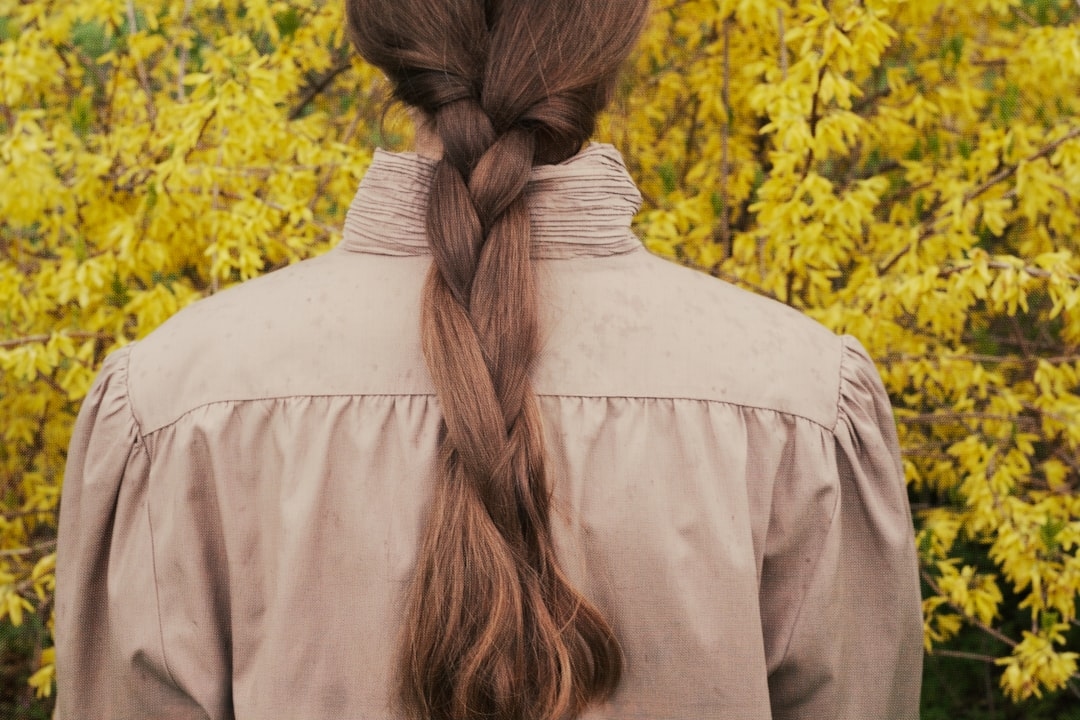
Contents:
- Understanding Plaiting: More Than Just Twisting Hair
- Preparing Your Hair for Plaiting Success
- Hair Type and Texture Considerations
- Dampening and Conditioning
- Detangling Thoroughly
- The Three-Strand Plait: Step-by-Step Technique
- Step 1: Sectioning Your Hair
- Step 2: The Cross-Over Pattern
- Step 3: Working Down the Length
- Step 4: Securing the Plait
- Common Mistakes and How to Avoid Them
- Uneven Sections
- Inconsistent Tension
- Twisting Instead of Plaiting
- Advanced Plaiting Techniques to Explore
- French Plait
- Fishtail Braid
- Dutch Plait
- Plaiting for Different Hair Types and Lengths
- Short Hair Plaiting
- Medium to Long Hair
- Textured and Curly Hair
- Fine Hair Considerations
- Sustainable and Eco-Friendly Plaiting Practices
- Plaits for Different Occasions and Settings
- Everyday Plaits
- Sporty Plaits
- Formal Occasion Plaits
- Plaiting Troubleshooting: What to Do When Things Go Wrong
- Plait Keeps Falling Out
- Plait Looks Lumpy or Uneven
- Plait Feels Too Tight
- Edges Puff Up
- Plaiting as Protective Styling
- Plaiting Different Styles and Patterns
- Side Plaits
- Plaits Across the Crown
- Double Plaits
- Products and Tools That Make Plaiting Easier
- Essential Tools
- Helpful Products
- Frequently Asked Questions About Plaiting
- How long does it take to plait your own hair?
- Can you plait wet hair?
- How long do plaits last?
- Is plaiting bad for your hair?
- Can you plait short hair?
- Taking Your Plaiting Skills Further
Plaiting hair is one of humanity’s oldest grooming traditions, with evidence of braided styles appearing in ancient Egyptian tomb paintings dating back 4,000 years. From the intricate cornrows of West African cultures to the practical plaits of Viking warriors, this technique has transcended time and geography, remaining a cornerstone of hairstyling across virtually every culture on Earth. Today, learning how to plait hair remains just as relevant—whether you’re styling your own locks, creating protective styles, or helping your children get ready for school.
Understanding Plaiting: More Than Just Twisting Hair
Before diving into technique, let’s clarify what plaiting actually is. Many people use the terms “plaiting” and “braiding” interchangeably, and whilst they’re related, there’s a subtle distinction worth understanding. Plaiting specifically refers to interlacing three or more sections of hair by crossing them over each other in a systematic pattern. Braiding is the broader umbrella term that encompasses plaiting plus more complex techniques like fishtail braids, French braids, and crown braids. Think of plaiting as the foundation—master this, and you unlock access to dozens of more sophisticated styles.
The basic three-strand plait, the technique we’ll focus on here, works by dividing your hair into three equal sections and weaving them together. This simple pattern creates a rope-like braid that’s stronger and more long-lasting than simply twisting hair. The interlocking structure distributes tension evenly, which actually protects your hair from breakage better than looser styling methods. Most people can learn the fundamental technique in less than 10 minutes of practice, though perfecting your tension and achieving that salon-finish appearance takes a bit longer.
Preparing Your Hair for Plaiting Success
The foundation of any beautiful plait starts before you even begin interlacing. Your hair’s condition, texture, and moisture level dramatically affect how easy the plaiting process becomes and how long your finished style lasts.
Hair Type and Texture Considerations
Different hair types require slightly different preparation approaches. If you have straight hair, you’re working with a naturally smooth surface, which means plaits can slip more easily. Adding texture through light dampening or using a texturising spray (around £4-8 from high street chemists) helps sections grip each other better. Curly or coily hair generally holds plaits beautifully because the natural texture provides grip, though you’ll want to ensure adequate moisture to prevent frizz. Fine hair benefits from plaiting whilst slightly damp and using a lightweight holding spray, whilst thicker hair is more forgiving and can be plaited either damp or dry.
One crucial measurement: aim for hair that’s at least 15-20 centimetres long if you’re plaiting for the first time. Shorter hair makes achieving proper grip incredibly difficult, and you’ll spend more time frustrated than learning the technique itself. If your hair falls between 10-15 centimetres, you can still plait, but expect a steeper learning curve.
Dampening and Conditioning
Lightly dampening your hair—not soaking it—makes plaiting significantly easier. Use a spray bottle to mist your hair until it’s about 70% dry. This creates just enough grip without making strands slippery. Dry hair, particularly fine hair, tends to slide apart as you plait. Completely wet hair, conversely, becomes limp and loses definition in your finished plait. Think of that 70% damp sweet spot as your target.
Applying a lightweight conditioner or detangler spray beforehand prevents breakage during the plaiting process. Work the product through from mid-length to ends, not the roots (which would make your plait slip). Brands like Cantu or SheaMoisture cost £6-10 and work beautifully for this purpose. These products also make your hair smoother and shinier, which automatically improves how your finished plait looks.
Detangling Thoroughly
Before you plait, detangle completely. Knots hidden in your hair create catch points that disrupt your rhythm and can pull uncomfortably as you work through the plait. Use a wide-toothed comb rather than a fine-toothed brush, starting from the ends and working upward gradually. This prevents unnecessary breakage and ensures smooth sections for plaiting. Spend 2-3 minutes detangling rather than rushing this step—it genuinely saves time during the actual plaiting.
The Three-Strand Plait: Step-by-Step Technique
Now for the core technique. Follow these steps methodically, and you’ll find the pattern becomes automatic muscle memory within a few attempts.
Step 1: Sectioning Your Hair
Gather all your hair as if you’re making a ponytail, then divide it into three equal sections. This is genuinely important—unequal sections create plaits that look lopsided and feel unbalanced. Mentally divide your hair into thirds. Hold the left section in your left hand and the right section in your right hand, with the centre section loose. If you’re plaiting someone else’s hair or using a mirror, this becomes easier with practice.
Step 2: The Cross-Over Pattern
Cross the right section over the centre section. Now your right becomes centre. Next, cross the left section over the (new) centre. Now your left becomes centre. You’re establishing the alternating pattern: right over, left over, right over, left over. Keep repeating this rhythm continuously.
Maintain consistent tension—not so tight that you’re pulling hair from your scalp, but firm enough that sections don’t slip. Think of holding each section with confident but relaxed fingers. Too much tension causes headaches and can damage your hair; too little creates a floppy, unravelled plait. Most beginners grip too tightly; consciously ease your grip slightly once you notice tension.
Step 3: Working Down the Length
Continue the cross-over pattern methodically from the roots all the way to the ends of your hair. As you move downward, you’re essentially “feeding” more hair into each section. When you’ve plaited most of your hair length, you’ll notice the three sections become thinner. Continue the pattern until you reach the very ends.
Step 4: Securing the Plait
Once you’ve finished interlacing all the way to the ends, secure your plait with an elastic band. Opt for fabric-covered elastics (around £1-3 per pack) rather than thin rubber bands, which catch and snap hair. Fold the elastic around the ends a few times, ensuring it’s snug but not painfully tight.
Common Mistakes and How to Avoid Them
Learning plaiting involves making mistakes—that’s part of the process. Understanding these common pitfalls helps you correct course quickly.
Uneven Sections
The most frequent beginner mistake is creating uneven sections. Left to chance, most people create a thick section on one side and thin sections elsewhere. This creates the appearance of a wonky, amateurish plait. Solution: Before you start, physically divide your hair into three piles and eyeball them for visual equality. After a few plaits, your hands develop muscle memory for equal distribution.
Inconsistent Tension
Another common issue is varying tension throughout the plait. You might start tight and finish loose, or vice versa. This creates a plait that looks different along its length. The solution involves focusing on maintaining steady hand pressure throughout. Some stylists practise by plaiting whilst watching television, which forces their hands to work semi-automatically without overthinking.
Twisting Instead of Plaiting
Beginners often accidentally twist their hair instead of creating a true plait. Twisting involves taking two sections and rotating them around each other, which creates a different (and slipperier) finish. Plaiting requires three sections and the systematic cross-over pattern. If your result looks like a rope rather than an interlaced braid, you’ve likely been twisting. Keep that three-section pattern conscious in your mind.
Advanced Plaiting Techniques to Explore
Once you’ve mastered the basic three-strand plait, you’ve built the foundation for more sophisticated styles.
French Plait
A French plait involves starting at the roots and gradually incorporating more hair as you plait downward, creating a rope-like braid that runs from crown to nape. Rather than starting with three pre-divided sections, you begin with three smaller sections at the crown and feed new hair into each section as you progress downward. This technique requires more coordination but creates a sleeker, more polished look. French plaits also last longer (24-48 hours versus 12-24 hours for regular plaits) because the technique distributes tension more evenly.
Fishtail Braid
Fishtail braids start with two sections rather than three and involve taking thin pieces alternately from the outer edge of each section and crossing them over. Despite using only two primary sections, fishtail braids create an intricate, delicate appearance that looks far more complex than the basic technique. These work beautifully on fine hair and create a softer aesthetic than traditional plaits.
Dutch Plait
A Dutch plait inverts the French plait technique—instead of crossing sections over the centre, you cross them under. This creates a braid that sits raised on top of your head rather than lying flat. Dutch plaits photograph beautifully and work wonderfully for special occasions or when you want a statement hairstyle.
Plaiting for Different Hair Types and Lengths
Short Hair Plaiting
Short hair (15-25 centimetres) works best with tight, small plaits positioned at the nape or along the sides. The shorter length means your plait will look finished quicker, which is reassuring for beginners. Consider plaiting whilst your hair is slightly damp and using a lightweight gel (£3-5 from supermarkets) to enhance grip. Short plaits work brilliantly for keeping hair tidy during workouts or outdoor activities.
Medium to Long Hair
Longer hair (30+ centimetres) offers more possibilities. You can plait the entire length, create multiple plaits, or experiment with braiding patterns. Longer plaits remain secure for 24-48 hours, making them practical for overnight styling. Many people find longer hair actually easier to plait because there’s more surface area to grip.
Textured and Curly Hair
Curly and coily hair holds plaits beautifully because the natural texture prevents slipping. However, ensure your hair is adequately moisturised before plaiting—dry curls become frizzy and difficult to manage. Use a leave-in conditioner and lightweight oil (like jojoba or coconut oil, £4-8 per bottle) to enhance grip and shine. Plaits in textured hair can last 2-3 days without loosening, making them ideal for protective styling.
Fine Hair Considerations
Fine hair requires slightly different handling. Always plait whilst damp (70% dry) rather than completely dry. Use a texturising spray or light gel to improve grip. Fine hair plaits won’t look as thick or full as plaits in thicker hair, but that’s not a flaw—it’s simply the nature of the hair type. Embrace the delicate aesthetic and avoid overly tight tension, which looks uncomfortable and can contribute to hair loss around the edges over time.
Sustainable and Eco-Friendly Plaiting Practices
If you plait regularly, making environmentally conscious choices adds up over time. Traditional elastic bands and plastic hair clips create waste. Sustainable alternatives like fabric hair elastics made from organic cotton (around £3-6 per pack) biodegrade completely and feel gentler on your hair. Wooden hair sticks and clips, available from ethical retailers for £5-12, last years and require no replacement.
Similarly, if you use products to prepare your hair for plaiting, choose brands using sustainable packaging. Many eco-conscious hair brands now offer refillable bottles or cardboard packaging rather than plastic. Ingredients matter too—natural plant-based oils and conditioners have less environmental impact than synthetic alternatives and often perform identically. Supporting these brands encourages further sustainable innovation in the beauty industry.
One final sustainability note: protective plaits themselves are eco-friendly styling. By wearing plaits 2-3 times weekly instead of using heated tools daily, you reduce your energy consumption and minimise heat damage to your hair, extending the overall lifespan of your hair and reducing the frequency with which you need treatments or cuts. That’s genuinely better for both your hair health and the planet.
Plaits for Different Occasions and Settings
Everyday Plaits
For daily wear, aim for relaxed, slightly loose plaits that look effortless. These can be worn down the back, to one side, or positioned along the crown. Everyday plaits should feel comfortable enough to wear all day without headaches and secure enough to last through normal activity. A light texturising spray (£4-7) adds grip without making your hair feel stiff or uncomfortable.
Sporty Plaits
When plaiting for exercise or sports, prioritise security over aesthetics. Tighter plaits that keep hair completely off your face work best. Consider double plaits rather than a single large one—they distribute weight more evenly and stay secure during vigorous activity. Use a strong-hold elastics and position your plait close to your scalp to minimise movement.
Formal Occasion Plaits
For special events, plaits can look absolutely stunning. Consider incorporating accessories like silk ribbons (£3-8 per length), delicate hair clips (£2-5), or even fresh flowers. French plaits or Dutch plaits look inherently more polished than basic three-strand plaits. Take extra time ensuring your sections are perfectly even and your tension is consistently smooth. Many people find it worth investing 30-45 minutes for formal occasions to achieve truly flawless results.
Plaiting Troubleshooting: What to Do When Things Go Wrong
Plait Keeps Falling Out
If your plait constantly unravels, the most likely culprit is hair that’s too dry. Return to your preparation step and ensure you’re plaiting whilst your hair is approximately 70% damp. Additionally, check your elastic—it should grip tightly without cutting off circulation. If elastics consistently slip, switch to fabric-covered versions which have better grip. Finally, ensure you’re crossing sections completely over rather than just laying them alongside each other.
Plait Looks Lumpy or Uneven
Lumps usually indicate inconsistent tension or uneven sections. Practice maintaining steady hand pressure throughout. Take a moment before starting to really ensure your three sections look visually equal. If you’ve already started and notice lumpiness, it’s sometimes worth undoing and restarting rather than continuing—one wrong movement creates a cascade of problems down the entire length.
Plait Feels Too Tight
Tight plaits cause discomfort and can contribute to hair loss if worn frequently. Consciously ease your grip and remind yourself that beautiful plaits don’t require vice-like tension. You should be able to slide a single finger comfortably between your plait and your scalp throughout its length. This sweet spot maintains security whilst preventing discomfort.
Edges Puff Up
If short hairs around your face and edges stick up and create frizz, apply a lightweight cream or edge control (£2-4) to smooth them down before plaiting. Alternatively, dampen these areas slightly more than the rest of your hair. Some people find plaiting with a light hold hairspray in their hands helps control flyaways throughout the process.
Plaiting as Protective Styling
Beyond just looking beautiful, plaits serve an important protective function for your hair. When worn correctly, plaits distribute tension evenly across your hair shaft rather than concentrating it in one area. This is particularly important if you’re growing your hair out or trying to maintain hair health.
Protective plaits work best when they’re not excessively tight, when you’re using moisturising products beforehand, and when you’re rotating between different plaiting patterns (not wearing the same style in the same position repeatedly). Dermatologists recommend removing protective styles every 6-8 weeks to allow your scalp and edges to recover fully. Plaits worn 2-3 times weekly, rotated in position, and worn for no longer than 3-5 days at a time align perfectly with these recommendations.
One specific data point worth noting: research shows that protective styling reduces the rate of hair breakage by up to 40% compared to wearing hair down regularly with heat styling. That’s a measurable, significant difference that makes mastering plaiting worthwhile if you’re serious about hair health.
Plaiting Different Styles and Patterns
Side Plaits
Side plaits create an elegant, asymmetrical look that flatters most face shapes. Starting the plait slightly off-centre and draping it over one shoulder creates visual interest. Side plaits photograph beautifully and work for both casual and formal settings. They’re particularly flattering if you have one side you prefer to show (most people favour their left side photographically).
Plaits Across the Crown
Crown plaits, where you plait from one side of your head to the other in a curved pattern, create a halo effect that’s stunning and surprisingly wearable for everyday occasions. These require slightly more technique than basic plaits but offer dramatic impact once mastered. They work best with longer hair (25+ centimetres) and take a bit of practice to position symmetrically.
Double Plaits
Creating two plaits rather than one distributes hair volume more evenly and creates a younger, fresher aesthetic. Double plaits also stay secure longer and work beautifully for sporty or casual occasions. You simply divide your hair into two halves and plait each separately. Many people find double plaits easier than single plaits because each plait uses thinner sections that are easier to control.
Products and Tools That Make Plaiting Easier
Whilst you can plait with nothing but your hands, certain tools and products genuinely improve the process and finished results.
Essential Tools
- Spray bottle: For misting hair to 70% dampness (£1-3)
- Wide-toothed comb: For gentle detangling (£2-5)
- Fabric elastics: Hair-friendly alternatives to rubber bands (£1-3 per pack)
- Mirror: Essential for plaiting your own hair accurately (you likely already own)
- Clips: For sectioning and securing as you work (£1-2)
Helpful Products
Texturising sprays (£4-8) add grip for slippery hair types. Lightweight leave-in conditioners (£4-10) moisturise without weighing hair down. Detangling sprays (£3-6) prevent breakage during preparation. Edge control or lightweight cream (£2-4) tames flyaways. None of these are absolutely essential, but each addresses specific challenges and makes the process smoother.
Frequently Asked Questions About Plaiting
How long does it take to plait your own hair?
A basic three-strand plait typically takes 5-10 minutes once you’re practised. Beginners might need 15-20 minutes for the first few attempts. More complex styles like French plaits take 10-15 minutes. For reference, professional hairstylists complete elaborate braids in 20-30 minutes because they work with established techniques and optimal hand positioning.
Can you plait wet hair?
Completely wet hair is too slippery and loses definition as it dries. Aim for approximately 70% dry (lightly damp) for optimal grip. This sweet spot provides security without the slipperiness of soaking wet hair or the difficulty of completely dry hair.
How long do plaits last?
A basic plait lasts 12-24 hours before noticeably loosening. Tighter plaits last slightly longer (24-36 hours), whilst looser everyday plaits last 12-18 hours. French and Dutch plaits, which incorporate hair throughout, typically last 24-48 hours. Environmental factors like humidity and activity level affect longevity.
Is plaiting bad for your hair?
Plaiting isn’t inherently damaging—in fact, it’s protective when done correctly. Problems arise only when plaits are excessively tight, worn constantly without breaks, or worn for extended periods without rest. Follow the guidelines of rotating styles, avoiding excessive tension, and giving your scalp recovery time, and plaiting is completely safe and actually beneficial for hair health.
Can you plait short hair?
Yes, though it’s more challenging. Hair should be at least 15 centimetres long for basic plaits. Shorter hair requires tighter techniques and positioning close to the scalp. Side plaits and crown braids work better for short hair than long back plaits because there’s less gravity pulling the plait down and loosening it.
Taking Your Plaiting Skills Further
Mastering how to plait hair opens doors to countless styling possibilities. Once the basic technique becomes automatic, you can explore French plaits, fishtail braids, Dutch plaits, and more elaborate patterns. You can plait for protection, for aesthetics, for practicality during sports, or simply because plaited hair feels beautiful and special.
The wonderful thing about learning to plait is that it requires no expensive equipment, works on all hair types with minor modifications, and improves dramatically with just a bit of practice. Your first plait might feel awkward and uneven. Your tenth plait will feel significantly more natural. By your fiftieth plait, your hands will execute the technique almost automatically whilst you mentally focus on tension and section evenness instead.
Start today with the basic three-strand technique. Gather your hair, divide it into thirds, and begin the cross-over pattern. If your first attempt looks imperfect, that’s not failure—that’s practice. Every single hairstylist started exactly where you are now, making wobbly plaits and gradually refining their technique. Your dedication to learning this skill means you’ll never again depend on expensive salon appointments or feel helpless on bad hair days. You’ve got this.