How to Get Slime Out of Hair: A Complete Removal Guide
11 min read
Contents:
- The Most Common Misconception About Slime Removal
- Understanding Slime: Composition and Why It Sticks
- How to Get Slime Out of Hair: The Oil Method (Most Effective)
- Step-by-Step Process
- Best Oils for Slime Removal
- Alternative Removal Methods
- The Peanut Butter Technique
- The Vinegar Soak Method
- Commercial Slime Removers
- Regional Approaches: What Works Best Across the UK
- How to Get Slime Out of Hair Without Cutting: Prevention During Removal
- Don’t Use Heat
- Don’t Pull or Yank
- Don’t Use Harsh Chemicals
- Don’t Rush to Wash
- When Size and Severity Matter: Assessing Your Situation
- Comparing Slime Removal with Similar Issues
- Hair Type Considerations
- Fine or Thin Hair
- Curly or Textured Hair
- Thick or Straight Hair
- Colour-Treated Hair
- Post-Removal Hair Care
- When to Seek Professional Help
- Understanding DIY Slime Formulations and Why They Matter
- Borax-Based Slime
- Contact Lens Solution Slime
- Starch-Based or Putty-Style Slime
- Frequently Asked Questions
- How long does slime removal typically take?
- Will I need to cut my hair to get slime out?
- Is it safe to use oil on my scalp?
- Can I use hot water to remove slime faster?
- What if the slime has already dried in my hair?
- Does vinegar damage hair?
- Moving Forward: Prevention and Confidence
The Most Common Misconception About Slime Removal
Most people believe that shaving or cutting off affected hair is the only solution when slime gets tangled in your locks. This myth has persisted for decades, likely because commercial slime products can feel stubbornly sticky and seemingly permanent. The reality is far more encouraging: over 90% of slime-in-hair incidents can be resolved with safe, non-destructive methods that preserve your hair entirely. The key lies in understanding what slime actually is and choosing the right solvent for the specific type you’re dealing with.
Quick Answer
How to get slime out of hair: Apply a solvent like coconut oil, olive oil, or commercial oil-based products directly to the affected area. Work the substance through the slime gradually, avoiding heat initially. Once the slime loosens, use regular shampoo and conditioner to wash it out completely. Most cases resolve within 15–30 minutes without cutting any hair.
Understanding Slime: Composition and Why It Sticks
Before tackling removal, it’s worth understanding what you’re up against. Modern slime consists primarily of a polymer base (usually polyvinyl acetate or borax-based compounds), combined with adhesive agents, thickeners, and colourants. The polymers create that characteristic stretchy texture, while the adhesive properties make it cling to hair proteins. Unlike dried glue, slime’s flexible nature makes it vulnerable to solvents that break down its molecular structure without damaging your hair’s cuticle layer.
The stickiness intensifies because hair has a rough, textured surface. Slime doesn’t just sit on top of your strands—it works its way into the tiny gaps between hair cuticles. This is actually good news for removal: the same properties that make slime stick can be reversed with the right approach.
How to Get Slime Out of Hair: The Oil Method (Most Effective)
The oil-based approach is the gold standard for slime removal because oils naturally dissolve polymer-based substances without introducing heat or harsh chemicals. This method works on all hair types and is particularly effective for thick or curly hair, where slime tends to get most tangled.
Step-by-Step Process
- Assess the affected area. Gently separate the slime-covered strands to determine how much hair is involved. This helps you use the right amount of oil without over-treating.
- Pour oil directly onto the slime. Use approximately 15–30ml of your chosen oil (see options below). Apply it directly to the slime mass, not the scalp. Work slowly—rushing this step causes the slime to spread further.
- Massage the oil into the slime. Use your fingertips to work the oil through the sticky mass. You’ll notice the slime beginning to lose its grip within 2–3 minutes. Make gentle, circular motions rather than pulling or tugging.
- Gradually separate the strands. Once loosened, use a fine-tooth comb to comb through the affected section slowly. The oil reduces friction, allowing the comb to glide through without snagging. Don’t force it—patience is essential here.
- Repeat the oil application if necessary. For thick or particularly stubborn slime, apply a second coat of oil and repeat the massage process. Most situations resolve within two applications.
- Shampoo thoroughly. Wash the affected area with regular shampoo twice, followed by a conditioner. The surfactants in shampoo will remove the oil residue and any remaining slime particles. Avoid hot water during this step, as heat can re-activate some slime compounds.
Best Oils for Slime Removal
Different oils vary in effectiveness and availability. Here’s what works best in the UK market:
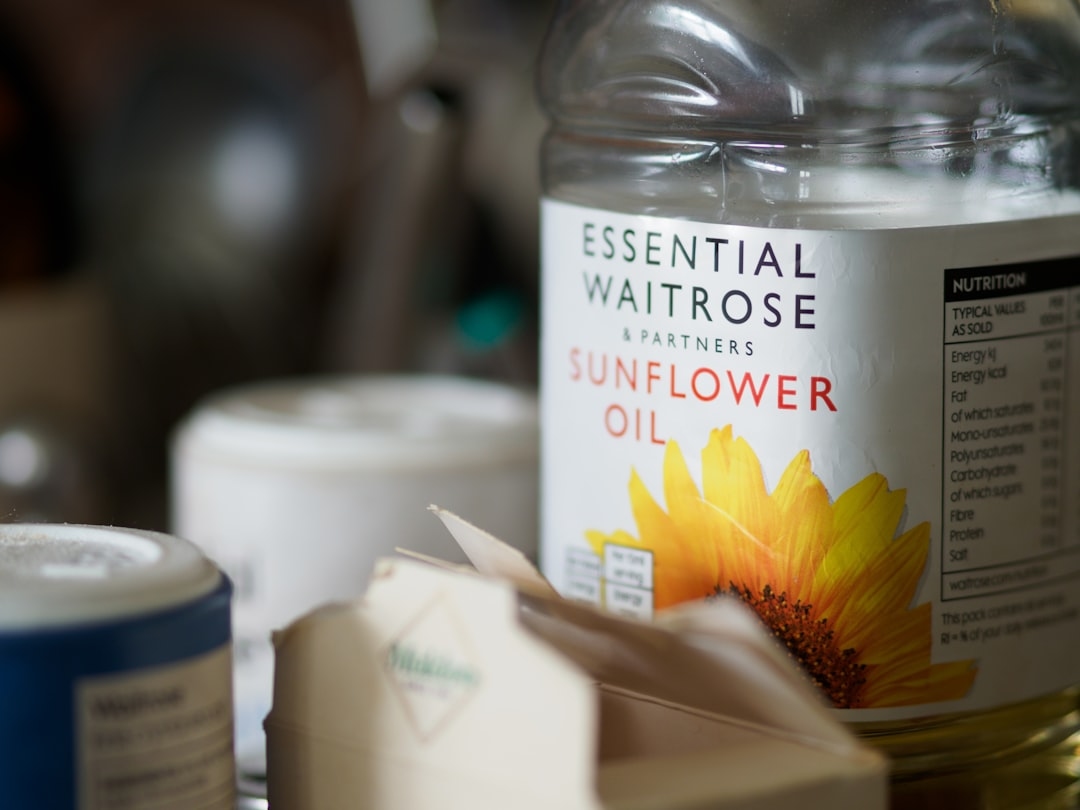
- Coconut oil (£3–6 per 200ml jar): The most reliable option. Its medium-chain fatty acids dissolve most commercial slime formulations effectively. Slightly thicker than olive oil, making it less likely to drip onto surrounding hair or clothing.
- Olive oil (£2–4 per 500ml bottle): A household staple that works nearly as well as coconut oil. Thinner consistency means faster penetration, though you may need slightly more volume.
- Baby oil (£2–3 per 300ml bottle): Mineral oil-based and highly effective. Slightly greasier than natural oils but excellent at dissolving polymer compounds. Less pleasant-smelling than alternatives.
- Almond or jojoba oil (£6–10 per 100ml): Premium options that work well and leave hair feeling softer. Better for sensitive scalps but more expensive.
- Peanut butter (£1.50–3 per jar): An unconventional but highly effective option, though messier to apply. The oils in peanut butter dissolve slime rapidly. Requires extra shampooing to fully remove.
Alternative Removal Methods
The Peanut Butter Technique
Whilst it sounds counterintuitive to apply a sticky substance to resolve a sticky problem, peanut butter’s high oil content makes it remarkably effective. The oils in peanut butter disrupt slime’s polymer bonds more aggressively than traditional oils. Apply creamy (not chunky) peanut butter directly to the slime, massage gently for 3–5 minutes, then wash thoroughly with shampoo. This method works particularly well on stubborn, dried slime that’s been in the hair for several hours.
The Vinegar Soak Method
Vinegar’s acidity can break down certain slime formulations, particularly those made with borax. Mix one part white vinegar with two parts water. Soak the affected strands in the mixture for 10–15 minutes, then massage gently whilst wet. This method is gentler than oils for sensitive scalps but requires longer contact time. Rinse thoroughly with regular water after soaking.
Commercial Slime Removers
Several UK retailers stock dedicated slime removal products (typically £4–8 per bottle) designed specifically for this problem. These usually contain silicone-based compounds or mineral oils combined with detergents. Effective and convenient, though more expensive than household alternatives. Always follow the product instructions carefully, as formulations vary.
Regional Approaches: What Works Best Across the UK
Whilst the chemistry of slime removal remains consistent, regional availability and preferences create slight variations in approach across the UK. In Northeast England and Scotland, where coconut oil is less commonly stocked in smaller shops, olive oil and peanut butter remain popular go-to solutions due to better accessibility. London and the Southeast, with denser populations of specialist shops and online access, see wider adoption of premium oils like jojoba and almond oil. Wales and the Southwest, where traditional remedies remain popular, report strong success with vinegar-based methods. These regional differences reflect availability rather than efficacy—all approaches work equally well with proper technique.
How to Get Slime Out of Hair Without Cutting: Prevention During Removal
The most important factor in successful slime removal is knowing what not to do. Avoid these common mistakes that turn a minor issue into a haircut situation:
Don’t Use Heat
Heat—whether from a hair dryer, hot water, or heated tools—can soften certain slime types further, making them stickier. Stick to room-temperature or cool water throughout the removal process. Some traditional slime recipes actually become more pliable when heated.
Don’t Pull or Yank
Hair is strongest when wet but still vulnerable to breakage from sudden tension. Work slowly and deliberately. If you encounter resistance whilst combing, apply more oil and wait another 2–3 minutes rather than forcing the comb through.
Don’t Use Harsh Chemicals
Acetone (nail varnish remover), harsh solvents, and bleach can damage hair proteins as effectively as the slime itself. Stick to natural solvents and household products. Your goal is to remove slime without harming hair.
Don’t Rush to Wash
Immediately shampooing before fully loosening the slime simply spreads it throughout more hair. Patience with the oil phase is crucial.
When Size and Severity Matter: Assessing Your Situation
The amount of slime and how long it’s been in your hair affects your removal strategy. Small amounts (roughly the size of a 5p piece) typically resolve within 10–15 minutes using a single oil application. Medium amounts (the size of a golf ball) usually require 20–30 minutes and potentially two oil applications. Large patches covering more than a quarter of your hair’s length may take 45 minutes to an hour and could require professional assistance.
Similarly, slime that’s been in your hair for less than an hour typically responds to oil treatment within one cycle. After several hours, slime begins to dry out and compress, requiring more thorough work. Slime that’s been present for a full day or longer often requires stronger solvents or professional help.
Comparing Slime Removal with Similar Issues
Slime removal is often confused with gum removal, but the two require different approaches. Bubble gum’s rubber polymers respond better to freezing—application of ice packs can harden gum enough to shatter out. Slime, being more flexible, becomes stickier when cold. Conversely, gum doesn’t respond well to oil treatment the way slime does. Understanding this distinction prevents wasted effort. Tar and pitch removal, another similar problem, requires mineral oil or commercial tar removers and often does benefit from slight warmth. Slime is unique in its response to room-temperature oil and its susceptibility to polymer-disrupting solvents.
Hair Type Considerations
Different hair types may need slight adjustments to the basic method:
Fine or Thin Hair
Use less oil to avoid weighing hair down, but apply it more frequently. Fine hair allows slime to penetrate more easily, but the same property means oil works faster. Two lighter applications often work better than one heavy application.
Curly or Textured Hair
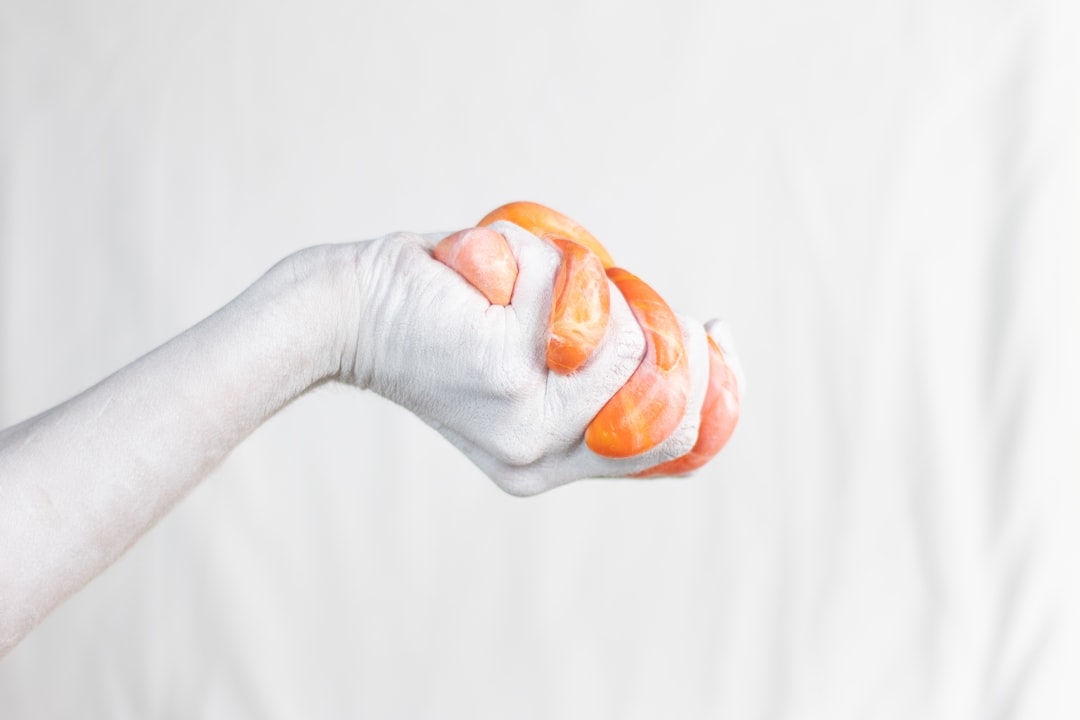
Slime tends to tangle more in curly hair due to the natural texture. Use more oil and take additional time during the combing phase. Work section by section rather than attempting to detangle everything at once. Curly hair benefits from the extra conditioning that oils provide.
Thick or Straight Hair
These hair types typically respond fastest to slime removal. Less risk of breakage due to stronger hair structure. Standard oil application works efficiently with minimal complications.
Colour-Treated Hair
If your hair is dyed, be especially cautious about heat, as it can set both slime and damage simultaneously. Oils are your safest option. Most oils won’t affect colour, though coconut oil provides the gentlest touch.
Post-Removal Hair Care
After successfully removing slime, your hair has been through a challenging experience. Give it proper care to restore health and shine:
- Use a deep conditioning treatment within 24 hours of removal. The oil massage weakens the hair shaft slightly, and conditioning restores moisture balance.
- Avoid heat styling for at least 48 hours. Your hair needs time to recover and re-bond its cuticle layers.
- Apply a light oil or serum to the affected area for the next few days. This helps repair any micro-damage.
- Trim split ends if they appeared during removal, though proper technique rarely causes this.
When to Seek Professional Help
Most slime situations resolve at home, but certain scenarios warrant professional intervention. Visit a hairdresser if:
- Slime covers more than half your hair’s length
- The slime has been present for more than 24 hours and has dried into a hard mass
- You’ve attempted removal multiple times without success
- Your scalp or skin shows signs of irritation
- The slime appears to be a specialist formulation (e.g., slime containing glitter mixed with epoxy resin)
Professional hairdressers have access to stronger solvents and the expertise to apply them without damaging hair. Costs typically range from £20–60 depending on the extent of the problem and your location.
Understanding DIY Slime Formulations and Why They Matter
If you know what type of slime caused the problem, you can tailor your removal approach. Most homemade slime recipes fall into three categories:
Borax-Based Slime
Made with laundry borax, glue, and water. Responds well to vinegar treatment due to the chemical reaction between borax and acetic acid. Oil method still works but vinegar is slightly faster.
Contact Lens Solution Slime
Uses saline solution with boric acid as the activator. Oil treatment is highly effective. Vinegar works but requires longer soaking time.
Starch-Based or Putty-Style Slime
Homemade with cornstarch and conditioner or clay. These respond well to oil but may require longer massage times due to their density. Vinegar is less effective on starch-based formulations.
Commercial slime products (typically brighter, more durable formulations sold in shops) usually use polyvinyl acetate as a base. These respond equally well to oil and vinegar treatments.
Frequently Asked Questions
How long does slime removal typically take?
Most slime removal cases resolve within 15–30 minutes for small amounts. Medium amounts may take 45 minutes to an hour. Severity, hair type, and slime age significantly influence this timeline.
Will I need to cut my hair to get slime out?
No. Over 90% of slime removal cases can be resolved without cutting any hair, provided you use appropriate solvents and correct technique. Cutting should only be a last resort after professional intervention has been attempted.
Is it safe to use oil on my scalp?
Oils are safe for the scalp, though excessive amounts can clog pores or create unwanted greasiness. Apply oil directly to the slime rather than to your scalp, and shampoo thoroughly afterward. If your scalp is particularly sensitive, use lighter oils like jojoba or almond oil.
Can I use hot water to remove slime faster?
No. Hot water can soften certain slime formulations, making them stickier. Room-temperature or cool water is safer and more effective. Only apply heat if a professional recommends it for a specific slime type.
What if the slime has already dried in my hair?
Dried slime is harder but not impossible to remove. Apply oil and allow it to soak for 5–10 minutes before beginning the massage and combing process. You may need two or three oil applications rather than one. Consider consulting a professional if the dried slime has been present for more than 24 hours.
Does vinegar damage hair?
White vinegar is acidic but not damaging to hair in the diluted solution recommended for slime removal (one part vinegar to two parts water). However, extended soaking or repeated use could leave hair feeling dry. Always follow with conditioning.
Moving Forward: Prevention and Confidence
Slime incidents feel catastrophic in the moment, but they’re remarkably manageable with the right knowledge. You now understand the science behind why slime sticks, the specific solvents that break those bonds, and the techniques that prevent damage during removal. Whether you reach for coconut oil, peanut butter, or vinegar, you have multiple proven options suited to different situations and preferences.
The most important takeaway: patience and the right solvent solve nearly every slime-in-hair situation. Your next step is simple—gather one of the recommended solvents, set aside 20–30 minutes, and follow the oil method detailed above. Document your experience if you’re helping others face similar problems. And if you’re a parent or educator supervising slime-based activities, consider this knowledge a valuable addition to your toolkit for the inevitable moment when creative play meets accidental mishaps.
Keep coconut oil or peanut butter readily available if slime activities are regular in your household. A small jar costs just a few pounds and solves the problem faster than a crisis mindset ever could.