How to Do Ombre Hair at Home: A Complete DIY Guide
7 min read
Contents:
- Understanding Ombre: The Science Behind the Style
- Essential Materials and Space Setup
- What You’ll Need
- Preparing Your Small Space
- Pre-Treatment Assessment and Planning
- The Step-by-Step Application Process
- Creating Your Colour Line
- Sectioning and Application
- Rinsing and Neutralising
- What the Pros Know
- Common Mistakes to Avoid
- Post-Treatment Care and Sustainability
- Timeline and Realistic Expectations
- FAQ: Quick Answers for Common Questions
- Moving Forward: Maintaining Your Investment
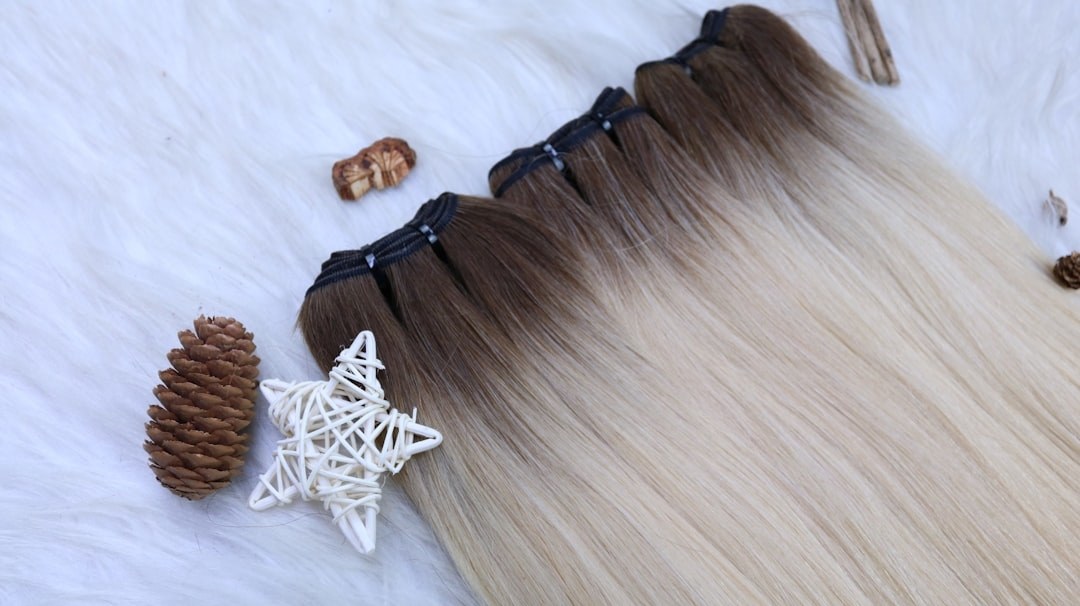
Can you achieve professional ombre results without leaving your kitchen? The answer might surprise you. Ombre hair—that stunning gradient from darker roots to lighter ends—has remained a salon staple for over a decade, yet thousands of people now master this technique successfully at home, even in modest spaces.
Understanding Ombre: The Science Behind the Style
Ombre originates from the French word meaning “shadow” or “shade.” The technique creates a gradual colour transition, typically from your natural dark roots through mid-tones to blonde or lighter ends. Unlike balayage (which uses hand-painted, irregular strokes), ombre follows a more structured pattern, making it surprisingly achievable for beginners.
The science involves understanding how hair bleach works. Hydrogen peroxide in bleach opens the hair cuticle, allowing the pigment to escape. The longer the bleach sits, the lighter the colour becomes. Most home applications use 20-30 volume developer, which works safely on healthy hair. Finer hair requires lower volume (10-20), whilst thicker or more resistant hair might need 30-40 volume.
Essential Materials and Space Setup
Success depends partly on preparation. For a small apartment, you’ll need surprisingly little space—a bathroom or even a kitchen corner suffices.
What You’ll Need
- Bleach powder: Use quality brands designed for hair (around £3-8 per box). One box typically covers shoulder-length hair; longer or thicker hair needs two boxes.
- Developer: Purchase 20 or 30 volume developer in matching quantity to bleach (£2-5 per bottle).
- Sectioning clips: Four to six clips help divide hair into manageable sections (£2-4).
- Gloves: Always use the supplied latex gloves; bleach damages skin.
- Mixing bowl: Use ceramic or plastic—never metal, as it reacts with bleach.
- Applicator brush: A wide paddle brush or dye applicator makes application easier than fingers (£1-3).
- Old towel: Protect your bathroom floor and surfaces.
- Protective cream: Apply around your hairline to prevent irritation.
- Toner: After bleaching, purple or ash toners neutralise yellow tones (£4-10).
- Deep conditioning mask: Essential for restoring moisture post-bleach (£3-8).
Total investment typically ranges from £25-50, significantly less than a salon treatment (which costs £150-400 in the UK).
Preparing Your Small Space
Lay newspaper or old towels on every surface bleach might reach. Open windows fully to ensure ventilation—bleach fumes can cause headaches. Have wet paper towels ready near your workspace. Keep your phone charged; you’ll need a timer and possibly reference photos.
Pre-Treatment Assessment and Planning
Your natural hair colour and current condition determine your approach. Hair colour exists on a scale of 1-10, with 1 being black and 10 being white blonde. If you have level 6 hair (dark blonde) or lighter, you can achieve ombre in one session. Levels 1-5 (black to light brown) typically need two sessions across 2-3 weeks to avoid severe damage.
Conduct a strand test 48 hours before your full application. Mix small amounts of bleach and developer, apply to a discreet section underneath your hair at the nape, and leave for 20-30 minutes. This reveals your personal lightening timeline and whether you’re sensitive to the chemicals.
Avoid washing your hair for 2-3 days before bleaching. Your scalp’s natural oils protect against irritation. If you absolutely must wash, use dry shampoo the next day instead.
The Step-by-Step Application Process
Creating Your Colour Line
Decide where your transition zone begins. For shoulder-length hair, most people start bleaching around mid-length (approximately 10-15 cm from the scalp). Mark this point mentally or with a spray bottle of water. The transition zone typically spans 5-8 cm, creating that signature gradient.
Sectioning and Application
Divide dry hair into four equal sections: two in front, two in back. Use clips to secure each section. Start at the back, unclipping one section.
Mix your bleach and developer in a 1:2 ratio (consult your specific product, as ratios vary slightly). For example, one part bleach powder to two parts developer. Stir thoroughly until smooth and creamy.
Begin applying from the ends upward, working the bleach into the bottom 10 cm thoroughly. Ensure every strand is saturated but not dripping. After 5-10 minutes, bring the bleach up to your pre-marked transition zone. The slight overlap creates a natural gradient rather than harsh lines. Work quickly—you have perhaps 30-40 minutes before over-processing occurs.
Check every 5 minutes after the 20-minute mark. Light brown hair might lift in 25-30 minutes; darker hair requires 35-40 minutes. Your strand test provided your timeline; trust it.
Watch for colour change, not elapsed time. Pull a strand taut and wipe away bleach with a damp cloth. Hair should progress from yellow-orange to pale yellow, then white-blonde. Stop when you’ve reached your target lightness.
Rinsing and Neutralising

Rinse thoroughly with cool water until the water runs completely clear. Use cool water specifically—hot water opens the cuticle further, allowing continued oxidation and potential damage. Apply a protein-rich conditioner and leave for 3-5 minutes.
Once dry (or damp), apply your chosen toner. If your bleached hair turned brassy yellow, purple toner neutralises it. For ashy results, violet or ash toners work best. Leave toner for 10-20 minutes according to product instructions.
What the Pros Know
Professional colourists often use a technique called “feathering” within the transition zone. Rather than a blunt line, they create intentional, irregular spacing of lighter and darker strands within the gradient area. Mimic this by leaving very thin sections of unbleached hair visible through your transition zone. This creates visual depth and looks more expensive, not to mention more forgiving of slight technique variations.
Common Mistakes to Avoid
- Over-processing: Leaving bleach on too long destroys hair structure. When in doubt, check early and frequently.
- Using hot water to rinse: This continues the lightening process and damages the hair cuticle. Stick to cool or lukewarm water.
- Skipping toner: Without toner, your ombre looks brassy or orange rather than pale blonde or ash. Budget this step in.
- Applying bleach to all hair simultaneously: Apply from ends upward over 5-10 minutes. Hair near the scalp processes faster due to heat from your head.
- Neglecting post-bleach care: Bleached hair is porous and fragile. Deep conditioning masks are non-negotiable, not optional.
- Testing on the wrong spot: The underneath of your hair is ideal because failure stays hidden whilst you learn.
Post-Treatment Care and Sustainability
Bleached hair demands moisture. Use a dedicated colour-safe shampoo and conditioner (around £5-10 combined). Wash in cool water with a focus on scalp and lower lengths, not the bleached ends.
Apply a deep conditioning mask twice weekly for the first month. Look for masks containing keratin, argan oil, or silk proteins. Brands like Olaplex or similar cost £12-20 but last weeks for home use.
Consider the environmental angle: by colouring at home, you reduce water usage compared to salon applications (which use rinsing stations and multiple washes). However, bleach disposal matters. Pour leftover bleach solution down the drain with running water, never into soil or directly into drains without dilution. The small amounts in typical home applications are safe for standard plumbing, but check your local guidelines.
For colour maintenance, ombre hair requires touch-ups every 6-10 weeks as roots grow. Plan to re-bleach only the new root growth, typically a 2-3 cm section at the scalp.
Timeline and Realistic Expectations
First application to finished result: 2-3 hours, including drying time. Subsequent touch-ups take 45 minutes to an hour.
Your ombre lifespan depends on hair care. With weekly deep conditioning and colour-safe products, the ombre remains vibrant for 8-12 weeks before fading to a warmer, softer blonde. This gradual fade is actually aesthetically appealing—many people appreciate the lived-in look without harsh regrowth lines.
FAQ: Quick Answers for Common Questions
Can I do ombre on coloured hair that’s not my natural colour?
Yes, but it’s more complex. If your hair is already dyed, bleach might not lift evenly. A consultation with a stylist or additional strand tests is wise. Most people get better results starting with natural or previously unbleached hair.
What if my hair goes orange or brassy?
This is normal and easily fixed with toner. Purple toner neutralises yellow and orange. Leave it on for 15-20 minutes. If the orange persists, you likely need to lift the hair lighter before toning again.
How often can I bleach my hair?
Safely? Every 6-8 weeks on regrowth only. Never bleach the entire length repeatedly. Between applications, focus on deep conditioning. If your hair feels mushy, breaks easily, or has lost elasticity, skip bleaching for 4-6 weeks and focus on repair treatments.
Is ombre suitable for all hair types?
Ombre works on straight, wavy, and curly hair. Texture doesn’t prevent it, but porosity does. Highly porous hair (previous damage, multiple dyes) might not hold bleach or toner evenly. A strand test clarifies whether your specific hair will cooperate.
What’s the best way to style ombre at home once it’s done?
Ombre looks stunning with textured waves or curls, which happen to reduce heat-styling damage. Use a salt spray or curl cream on damp hair, then air-dry or diffuse. For sleek looks, a straightener on low heat with heat protectant spray works, but limit heat styling to once weekly.
Moving Forward: Maintaining Your Investment
You’ve now learned how to do ombre hair at home—a skill that saves money, time, and empowers you to experiment. Your first attempt might not be perfect, and that’s fine. The blended gradient is forgiving, and every application improves your technique.
Success hinges on respecting the chemistry involved, not rushing, and committing to aftercare. In 2026, with access to quality affordable products and detailed guidance, home ombre is genuinely achievable. Start with a strand test, follow your timeline religiously, and treat your hair to the conditioning it needs post-bleach. Within hours, you’ll have salon-quality results at a fraction of the salon price.