What Kind of Hair Is the Bow Made From?
7 min read
Contents:
- What Is Bow Hair Made From?
- Why Horsehair? The Science of Sound
- Origin and Sourcing
- Comparing Horsehair to Synthetic Alternatives
- The Sustainability Question
- What Happens During the Lifetime of Bow Hair?
- Personal Experience: When I First Learned
- Key Characteristics of Quality Bow Hair
- Frequently Asked Questions
- How much horsehair is in a typical bow?
- Can you use human hair for a bow?
- Do different horse breeds produce different quality hair?
- Is there any difference between black and white horsehair?
- What happens if bow hair becomes wet?
- Making an Informed Choice
Around the 16th century, a Venetian maker experimented with animal fibres as a way to draw sound from stringed instruments. He discovered that one particular material produced a superior resonance—flexible, yet possessing enough grip to control vibration. That material remains the gold standard today. Understanding what kind of hair is the bow made from reveals far more than a simple material choice; it’s a window into how sound itself can be captured and controlled.
What Is Bow Hair Made From?
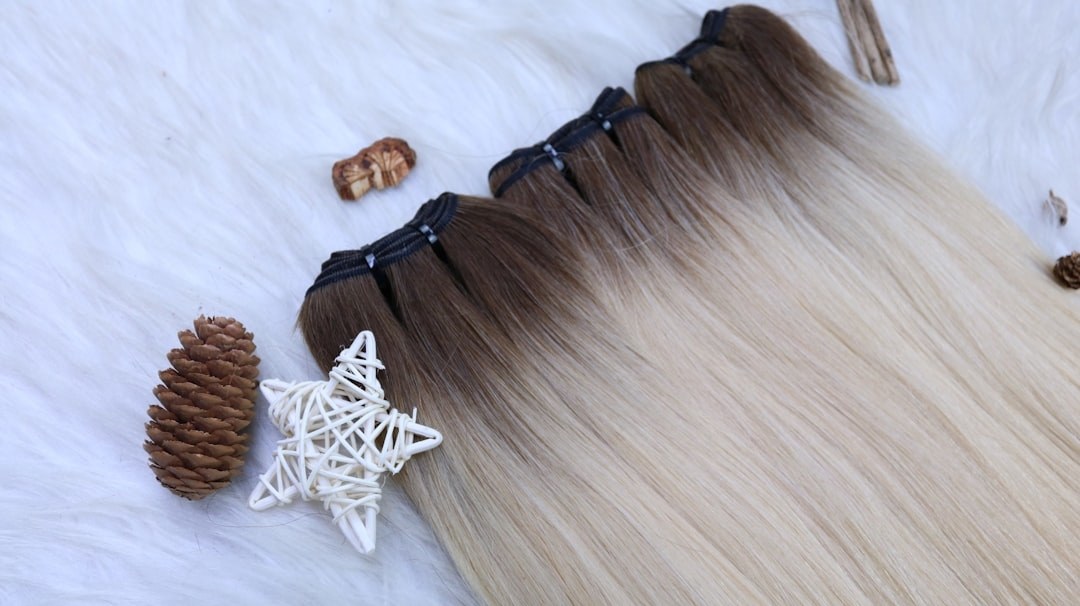
The vast majority of bows used in string instruments—from violins to cellos—are made from horsehair. This isn’t a romantic accident of history, but rather a practical outcome of material science. Horsehair possesses unique characteristics that have proven irreplaceable after centuries of use.
A single strand of horsehair measures roughly 200 micrometres in diameter, making it fine enough to rest on a violin string yet robust enough to withstand the pressure and friction of playing. Most professional-grade bows contain between 150 and 200 individual strands, bundled together and attached to a wooden stick, typically made from pernambuco or brazilwood. The UK market prices a quality violin bow between £40 and £300, depending on the grade of horsehair and construction quality.
Why Horsehair? The Science of Sound
Horsehair works because of its microscopic surface texture. Under a scanning electron microscope, each strand reveals a pattern of overlapping scales, similar to roof shingles. These scales create friction against the strings, allowing the bow to grip and draw out resonance rather than sliding smoothly across them. Animal hair from other sources—synthetic alternatives included—either lacks this texture or possesses it in insufficient quantity.
The scales also allow the horsehair to hold rosin, a sticky resin applied to the bow before playing. Rosin particles lodge between these microscopic ridges, amplifying the gripping effect and enabling the musician to control dynamics and tone with precision. Without this combination of texture and rosin affinity, a bow becomes merely a stick dragging across strings, producing only scratch and whisper instead of music.
Origin and Sourcing
Horsehair for bows comes from the tail of the horse, not the mane. Tail hair grows to greater length and possesses more consistent thickness along its length. Most bow hair historically came from Eastern European horses, particularly those from Russia and Mongolia, where long winters produced thicker, more durable hair. In 2026, as global sourcing has become more complex, makers source from South America, Mongolia, and Scandinavia.
The processing is labour-intensive. Hair must be sorted by length, bleached if necessary, and graded by thickness and flexibility. A master bow maker examines each strand by eye before inclusion in a bundle. This explains why a handmade bow costs significantly more than factory alternatives. A student-grade bow might contain mixed-quality hair; a concert instrument bow contains premium selection at roughly £0.50 to £1.00 per strand.
Comparing Horsehair to Synthetic Alternatives
Since the 1990s, manufacturers have worked to develop synthetic bow hair—primarily nylon blends and other petroleum-based polymers. The motivation was partly environmental, partly economic. Yet despite improvements, synthetic hair remains inferior for serious musicians.
Synthetic fibres lack the scales that give horsehair its grip. Manufacturers have attempted to add texture through chemical treatment or physical ridging, but these solutions either wash away or prove inconsistent. A synthetic bow typically sounds harsher and offers less control. Many professional musicians report that synthetic bows feel “slippery” and require excessive pressure to produce decent tone, leading to fatigue and potential injury.
Where synthetic has found legitimate use is in student bows and as a temporary solution for musicians with strict vegan principles. A synthetic bow costs £15 to £80, making it accessible for beginners. However, anyone advancing beyond basic level will eventually encounter the acoustic limitations. The comparison is rather like asking whether a plastic violin could replace a wooden one—possible in theory, but not in practice.
The Sustainability Question
The environmental impact of horsehair sourcing deserves honest discussion. Horsehair is a byproduct of the meat industry; the hair is taken from animals already destined for food production. From a waste reduction perspective, this represents responsible use of animal materials. Nothing is wasted—the hide becomes leather, bones become gelatin and tools, and hair becomes bows and other goods.
However, increased demand for high-quality bow hair has raised concerns about sustainable sourcing practices. Some conservation advocates argue that unregulated harvesting could affect wild horse populations, though most commercial horsehair comes from domestic livestock. In 2026, responsible manufacturers publish their sourcing information and partner with certified suppliers who follow ethical farming standards.
Makers increasingly experiment with plant-based alternatives—coconut and pineapple leaf fibres show promise—but these remain niche. The transition will be gradual, driven by technological improvement rather than swift replacement. Until a synthetic or plant-derived material can genuinely replicate horsehair’s acoustic properties, it will remain the primary choice for quality instruments.
What Happens During the Lifetime of Bow Hair?
Bow hair doesn’t last forever. With regular use—roughly 30 minutes daily practice—a bow typically remains effective for 3 to 5 years before requiring rehiring (the technical term for replacing the hair bundle). Professional orchestral players, who practise 3 to 4 hours daily, may rehire annually or even more often.
The hair loses its grip over time. Rosin buildup, moisture exposure, and the constant friction of playing all wear away the scales and compact the strands. A worn-out bow feels sluggish. It becomes harder to articulate notes cleanly, and the tone acquires a dull, muted quality. Rehiring costs between £30 and £100 in the UK, depending on whether you’re simply replacing the hair or addressing damage to the bow stick itself.
Personal Experience: When I First Learned
I recall watching a violin teacher demonstrate bow quality to a room full of beginners. She produced three bows: a student bow with synthetic hair, a mid-range bow with average horsehair, and a premium bow with premium hair from an Estonian supplier. Playing a simple scale on the same violin, the difference was stunning. The student bow sounded scratchy and uneven. The mid-range bow produced a warm, clear tone. The premium bow seemed to sing—the sound had depth and resonance that felt almost effortless.
What struck me most was when she explained that the premium bow didn’t make her a better violinist, but it allowed her to hear herself more clearly and to refine her technique. A musician with excellent bow hair can focus on musicality rather than fighting the equipment. This distinction matters tremendously to anyone serious about playing.
Key Characteristics of Quality Bow Hair
- Consistency: Each strand should be uniform in diameter and colour, typically white or pale grey for white horsehair, or darker for black horsehair.
- Length: Premium hair is longer, allowing bows to maintain consistent grip across the full length of the bow hair.
- Flexibility: Hair must bend without splitting, which requires proper moisture content and careful handling.
- Rosin affinity: The surface must hold rosin particles effectively without becoming overly sticky.
- Purity: High-grade hair contains no defects, breakage, or foreign material.
Frequently Asked Questions
How much horsehair is in a typical bow?
A standard violin bow contains 150 to 200 individual strands. The exact number depends on the strand thickness; thicker hair means fewer strands needed to achieve the desired bundle width and weight balance.
Can you use human hair for a bow?
No. Human hair lacks the scale structure that makes horsehair grip strings. It’s too fine and too smooth, and it doesn’t hold rosin effectively. Additionally, human hair’s natural oils and protein structure make it unsuitable for musical purposes.
Do different horse breeds produce different quality hair?
Yes. Cold-climate breeds—Russian, Mongolian, and Scandinavian horses—produce thicker, stronger hair than those from warmer regions. This is why these regions have historically dominated bow hair supply.
Is there any difference between black and white horsehair?
Functionally, no. Both perform identically. The colour difference relates to genetics and breed. Some musicians prefer white for aesthetic reasons, though choice of hair colour is largely a matter of personal preference or tradition within orchestral settings.
What happens if bow hair becomes wet?
Moisture causes horsehair to swell slightly and lose tension. A damp bow becomes sluggish and difficult to control. For this reason, bows should be stored in dry conditions and loosened after playing to reduce stress on the hair and stick during humidity fluctuations.
Making an Informed Choice
Whether you’re a beginner selecting your first bow or an experienced player evaluating replacements, understanding what kind of hair is the bow made from helps you appreciate the relationship between materials and sound. Horsehair has endured as the standard because no alternative has yet surpassed it. When shopping for a bow, examine the sourcing information provided by the maker, and if possible, test multiple options before purchasing.
For complete beginners, a student bow with good-quality horsehair offers sufficient performance at modest cost. As your technique develops, investing in a better bow becomes worthwhile—not because it will make you a better musician immediately, but because it will allow your developing skill to express itself more clearly. A quality bow is an investment in clarity of tone and precision of control, returning value over years of use.