How to Curl Your Hair: A Complete Guide to Achieving Beautiful Waves and Curls
10 min read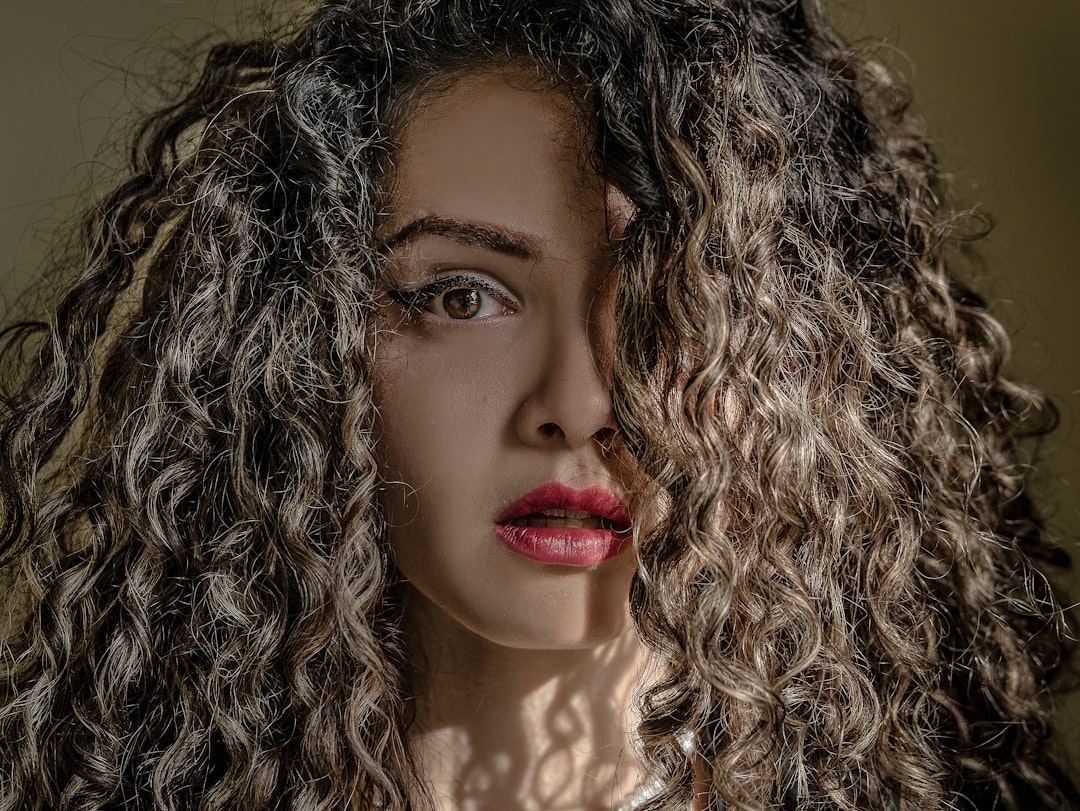
Contents:
- Understanding Hair Structure and Curling Basics
- Preparing Your Hair for Curling
- Choosing the Right Hair Products
- Heat-Based Curling Methods
- Using a Curling Iron
- The Curling Wand Technique
- Creating Waves with a Straightener
- Non-Heat Curling Methods
- Pin Curls: The Overnight Classic
- Velcro Rollers
- The Braid Method
- Comparing Curling Methods: Heat vs. Non-Heat
- Section-by-Section Curling Technique
- Managing Different Hair Thicknesses
- Products That Enhance and Maintain Curls
- Troubleshooting Common Curling Problems
- Curls Won’t Hold
- Curls Look Frizzy or Undefined
- Hair Damage from Repeated Curling
- Seasonal and Lifestyle Considerations
- Frequently Asked Questions
- How long do curled curls typically last?
- Can you curl very short hair?
- What temperature should I use for coloured hair?
- Is it safe to curl hair every day?
- Why do my curls fall out by afternoon?
- Achieving Your Best Curls
Many people believe that curly hair is something you’re born with, not something you can create. This misconception stops countless individuals from experimenting with their hair texture. The truth? Learning how to curl your hair is entirely achievable, regardless of your starting hair type. With the right techniques, tools, and products, you can transform straight hair into beautiful waves or voluminous curls that last throughout the day.
Understanding Hair Structure and Curling Basics
Hair consists of protein strands held together by three types of bonds: hydrogen bonds, ionic bonds, and disulphide bonds. Heat and moisture temporarily break hydrogen bonds, allowing your hair shaft to reshape into a curl pattern. Disulphide bonds, found deeper within the hair structure, are permanent and explain why some people have naturally curly hair whilst others have straight strands. When you curl your hair using heat or chemicals, you’re essentially retraining these bonds, at least temporarily.
The porosity of your hair—its ability to absorb and retain moisture—significantly affects how well curls hold. Fine hair with low porosity may struggle to maintain curls, whilst thick, porous hair grabs and holds curl patterns more easily. Understanding your hair’s characteristics helps you select the most effective curling method.
Preparing Your Hair for Curling
Proper preparation is essential for lasting curls. Begin with clean, dry (or nearly dry) hair. Freshly washed hair often lacks grip, so waiting 24 hours after shampooing produces better results. Apply a heat protectant spray to every section—this reduces damage from styling tools by up to 65%, according to dermatological studies. The protective layer seals the hair cuticle, preventing moisture loss and breakage.
For heat-based curling, aim for hair that’s 80-90% dry. Completely wet hair takes much longer to curl and produces less defined results. If you’re using non-heat methods, slightly damp hair (about 50% moisture) works best. Detangle your hair thoroughly with a wide-tooth comb before starting, working from the ends upwards to avoid snapping fragile strands.
Choosing the Right Hair Products
Product selection determines whether your curls last hours or collapse within minutes. A light volumising mousse, applied to damp roots, provides grip and hold without weighing down fine hair. For thicker hair, a curl-defining cream or gel offers stronger control. After styling, use a light hairspray—hold it 15-20 centimetres from your head and use short bursts rather than continuous spritzing.
Heat-Based Curling Methods
Using a Curling Iron
A curling iron remains the most accessible tool for achieving consistent curls. Barrel size directly affects your results: 19-25mm barrels create tight ringlets, 25-32mm barrels produce classic curls, and 38-50mm barrels create loose waves. Temperature matters significantly—fine or damaged hair requires 150-180°C, whilst thick, healthy hair can handle 190-210°C. Never exceed 230°C, as temperatures above this point cause permanent damage.
To curl a section, clamp a 2.5-5cm wide piece of hair near the roots, then slowly rotate the iron away from your face, sliding it down the length of the hair. Hold for 8-15 seconds depending on your hair thickness and desired tightness. Release gently and allow the curl to cool in your hand for at least 10 seconds—this helps the shape set. Repeat across your entire head, working in sections from underneath to the top.
The Curling Wand Technique
Curling wands offer more flexibility than traditional irons because they lack a clamp. Wrap hair around the barrel without clamping, creating waves rather than uniform ringlets. This method works brilliantly for beach waves and textured curls. Wand barrels typically range from 25-38mm. Hold each section around the barrel for 10-12 seconds, then slide it off. Because you’re not clamping, this technique requires steadier hands but produces softer, more natural-looking results.
Creating Waves with a Straightener
A flat iron (straightener) can create gorgeous waves if used correctly. Clamp hair near the roots, then slowly rotate the iron 180 degrees whilst gliding down the hair shaft. This creates an S-wave pattern. Alternatively, clamp the hair and twist it around the iron barrel (without closing the plates) and slide it downwards. Straighteners heat up quickly—most reach 200°C in 30-60 seconds—so always use the lowest effective temperature.
Non-Heat Curling Methods
Pin Curls: The Overnight Classic
Pin curls require no heat, making them ideal for damaged or chemically treated hair. On damp (not wet) hair, apply curl cream to each section, then wrap a 5cm section around your index and middle fingers. Pin the coil flat against your scalp using a clip. Create a pattern across your head—rows create uniform curls, whilst random placement produces tousled waves. Sleep in these pin curls (wrap your head loosely with a silk scarf to prevent friction), then unpin in the morning. The curls last 24-48 hours and often look more natural than heat-styled curls.
Velcro Rollers
Velcro rollers create volume and curl with gentle tension. Roll each damp section upwards and away from your face, securing with clips. Larger rollers (50mm+) create waves, whilst smaller ones (19-25mm) create tighter curls. Leave rollers in for 20-30 minutes, or use a hood dryer to speed up the process. This method works particularly well on fine hair because the gentle grip won’t cause breakage. Remove rollers once hair has cooled completely.
The Braid Method
For effortless waves, braid slightly damp hair before bed. Tighter braids create tighter waves; looser braids create softer waves. Two braids create uniform waves down both sides, whilst a single centre braid creates a wave pattern down the back. Dutch braids (braids on the outside of the head) often produce more defined results than regular plaits. Unbraid in the morning, gently separate the waves with your fingers, and style with light hairspray. This method suits all hair types and requires zero heat.
Comparing Curling Methods: Heat vs. Non-Heat
Heat-based curling offers immediate, consistent results—crucial if you need curls within 30 minutes. However, repeated heat exposure damages hair, raising cuticle layers and causing split ends. Non-heat methods take longer (overnight, typically) but are considerably gentler. They suit people with damaged, very fine, or textured hair.
Heat methods produce tighter, more defined curls with better longevity (up to 24 hours). Non-heat methods create softer waves and typically last 12-16 hours. Your choice depends on your priorities: speed and precision favour heat tools, whilst hair health and gentle texture favour non-heat approaches. Many professionals use both—non-heat methods for everyday styling and heat tools for special occasions when maximum impact matters.
Section-by-Section Curling Technique
Professional results come from methodical sectioning. Divide dry hair into four quadrants: two at the front (separated by a centre parting) and two at the back. Within each quadrant, create horizontal sections about 5cm wide. Always curl from underneath sections upwards—this prevents finished curls from being flattened by newer sections. Work your way through each section systematically, ensuring consistent tension and heat application. This organised approach takes 20-30 minutes but produces salon-quality curls.
Managing Different Hair Thicknesses
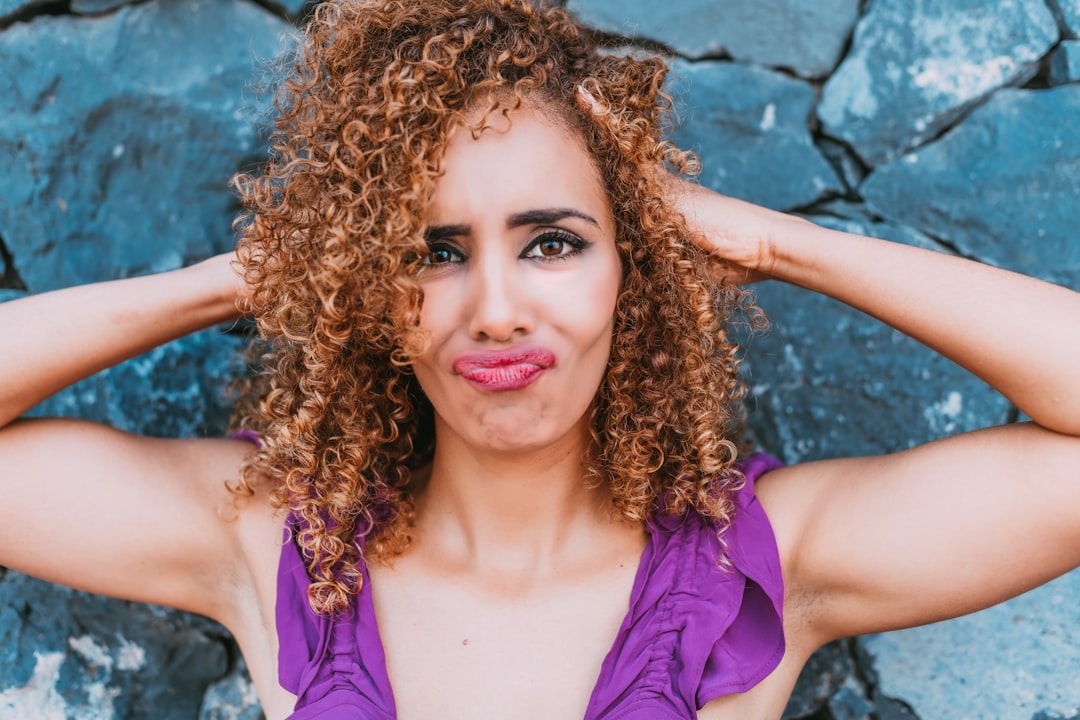
Fine hair requires thinner sections (2.5-4cm) and lower heat (150-170°C) to avoid damage. Work quickly because fine hair heats up rapidly. Thick hair needs thicker sections (5-8cm) and higher heat (200-220°C) to set properly. Very thick or coily hair may need two passes with the curling iron—curl, release, then curl again for better definition. Adjust your technique to your hair’s specific characteristics rather than applying the same method universally.
Products That Enhance and Maintain Curls
The right products make an enormous difference. A pre-styling primer creates a protective barrier and improves curl grip. Curl-defining creams contain polymers that coat hair strands, helping them hold their shaped form. Sea salt sprays add texture and grip, particularly useful for creating beachy waves. After curling, lock everything down with medium-hold hairspray—strong-hold formulas often make hair stiff and unnatural.
For maintaining curls the next day, a curl revival spray (essentially water with light hold) refreshes the wave pattern. Overnight, protect curls with a silk pillowcase or bonnet—cotton pillowcases create friction that disrupts curl shape. On day two, flip your head upside down, lightly mist with revival spray, gently scrunch, and re-set with a diffuser on your hair dryer’s cool setting.
Troubleshooting Common Curling Problems
Curls Won’t Hold
This usually indicates insufficient heat or moisture in your technique. Ensure your hair is 80-90% dry before curling with heat tools. Apply a curl-setting product to damp hair before styling. Hold the curling iron in place for the full recommended time—rushing produces weak curls that drop immediately. Very fine hair may need a stronger hold product or slightly higher temperatures.
Curls Look Frizzy or Undefined
Frizz typically stems from dry hair or humidity. Pre-curling, ensure your hair has moisture—a leave-in conditioner applied to damp hair helps. Seal the cuticle layer with a smoothing serum after finishing. In humid conditions, use an anti-frizz serum (not oil, which weighs down curls). For better definition, apply a curl cream before curling and use proper tension during styling.
Hair Damage from Repeated Curling
Heat styling damages hair cumulatively. Limit heat-based curling to 2-3 times weekly; use non-heat methods on other days. Always apply heat protectant spray—this genuinely does reduce damage. Trim hair every 6-8 weeks to remove damage-prone ends. Deep-condition weekly, focusing on mid-lengths and ends. Consider a strengthening treatment (protein-based masks) if you notice breakage.
Seasonal and Lifestyle Considerations
Weather significantly affects curl longevity. Dry climates and air conditioning dehydrate hair, causing curls to fall faster. In these conditions, use hydrating products and refresh curls more frequently. Humid weather fights against curls—use anti-frizz serums and stronger-hold products. Active lifestyles (exercise, swimming) defeat curls quickly. If you’re very active, consider non-heat curling methods that are more flexible, or use stronger-hold products designed for curls.
Winter cold can actually help set curls—the cool air locks curl patterns. Take advantage of this by curling hair in winter months when results naturally last longer. Summer humidity requires stronger products and more frequent touch-ups.
Frequently Asked Questions
How long do curled curls typically last?
Heat-styled curls usually last 12-24 hours depending on hair type, humidity, and products used. Non-heat methods (pin curls, braids) typically last 12-16 hours. Fine hair loses curls faster; thick hair holds them longer. Proper product application and sleeping position (on a silk pillowcase) extends longevity.
Can you curl very short hair?
Yes, though results are more challenging. Hair shorter than 5cm struggles to hold traditional curls. Use small-barrel curling irons (19-25mm) and very short sections. Non-heat methods like pin curls work well on short hair. Alternatively, apply a texturising spray to create the appearance of waves without traditional curling.
What temperature should I use for coloured hair?
Coloured hair is typically more porous and fragile than virgin hair, requiring lower temperatures: 150-180°C maximum. Always use heat protectant spray on coloured hair. Consider non-heat methods more often, as they don’t fade colour or cause additional damage. Deep-condition weekly because coloured hair loses moisture faster.
Is it safe to curl hair every day?
Daily heat styling damages hair significantly. Limit heat-based curling to 2-3 times weekly. On other days, use non-heat methods or simply wear your hair straight. If you must curl daily, use the lowest effective temperature and always apply heat protectant. Invest in regular deep conditioning treatments and trim every 6 weeks to manage damage.
Why do my curls fall out by afternoon?
Curls drop due to several factors: insufficient heat setting time, very fine or low-porosity hair, product buildup, or humidity. Ensure you’re curling 80-90% dry hair and holding sections for adequate time. Apply curl-defining product before styling. Fine hair may need stronger-hold products or slightly higher temperatures. Very humid days make all curls fall faster—this is normal and nearly unavoidable.
Achieving Your Best Curls
How to curl your hair successfully combines understanding your hair’s unique characteristics with selecting appropriate techniques and products. Start with proper preparation—clean, adequately dried hair with protective products applied. Choose your method based on your lifestyle, hair health, and time availability. If you have time, non-heat methods deliver gentler results; if you need speed, heat tools provide reliable consistency.
Practice matters considerably. Your first attempts may look imperfect; this is entirely normal. Most people need 5-10 sessions to develop consistent technique. Watch your results carefully—if curls aren’t lasting, adjust your temperature or product usage rather than assuming the method doesn’t work for you.
Moving forward, remember that hair health underpins everything. Damaged hair resists holding curls regardless of technique. Invest in regular deep conditioning, trim every 6-8 weeks, and limit heat exposure. Experiment with both heat and non-heat methods to discover what works best for your hair type and daily routine. Your perfect curl technique exists—finding it requires patience, the right tools, and willingness to adapt your approach based on results.