What Is Hair Mist? Complete Guide to This Essential Product
7 min read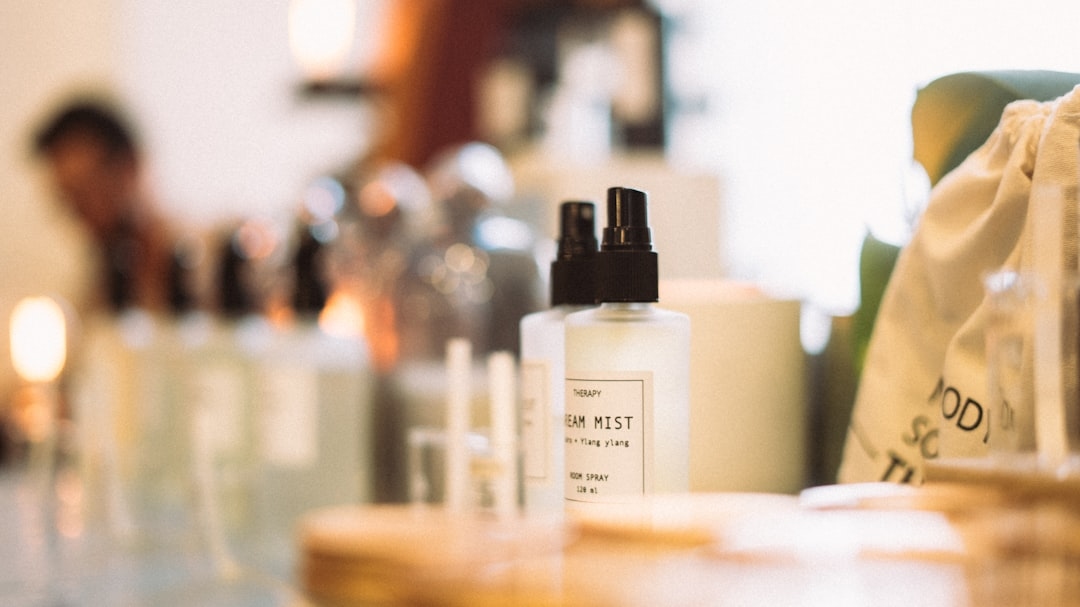
Contents:
- Understanding Hair Mist: Composition and Purpose
- What Hair Mist Contains
- How Hair Mist Differs From Other Products
- What Hair Mist Actually Does When Applied
- Hydration and Moisture Restoration
- Frizz Control
- Styling Support
- Fragrance and Freshness
- Real-World Use: One Stylist’s Story
- Types of Hair Mist for Different Needs
- Hydrating Hair Mist
- Texture and Hold Hair Mist
- Scent-Forward Hair Mist
- How to Use Hair Mist Effectively
- Application Technique
- When to Use Hair Mist
- Sustainable Use
- Expert Perspective: Professional Recommendation
- FAQ: Hair Mist Questions Answered
- Does hair mist damage hair?
- Can you make hair mist at home?
- What’s the difference between hair mist and toner?
- Is hair mist suitable for fine hair?
- Can you use hair mist on damp hair, or only dry hair?
- Finding Your Hair Mist
Have you noticed that salon hair always looks refreshed and styled perfectly even between washes? Hair mist is a key product professionals use to achieve this effect. Hair mist is a lightweight spray product that hydrates, refreshes, and adds finish to hair without shampooing. It’s typically water-based with added conditioning agents, fragrance, and sometimes styling polymers. Understanding what hair mist does and how to use it transforms your daily styling routine and extends the life of your salon-quality blowouts.
Understanding Hair Mist: Composition and Purpose
What Hair Mist Contains
Hair mist is fundamentally a water spray with added beneficial ingredients. Primary components include: distilled water (typically 70–80%), glycerin or other humectants (drawing moisture into hair), conditioning agents (oils, silicones, or plant extracts), and often fragrance. Some formulations include lightweight polymers that provide gentle hold without crunchiness.
Compare this to regular water: pure water is temporary (it evaporates within minutes). Hair mist’s added conditioning agents ensure moisture actually bonds to the hair rather than simply evaporating. The glycerin acts as a humectant, pulling moisture from air into your hair shaft.
How Hair Mist Differs From Other Products
Hair mist is fundamentally different from conditioner spray (heavier, more concentrated moisture), texture spray (primarily polymers for hold, minimal moisture), and fragrance spray (primarily scent, minimal hair benefit). Hair mist balances all three functions: hydration, light styling support, and fragrance.
It’s also lighter than leave-in conditioner. A leave-in conditioner (£8–£14 per bottle) is intensive; hair mist (£6–£10 per bottle) is for daily refreshing without build-up.
What Hair Mist Actually Does When Applied
Hydration and Moisture Restoration
Hair naturally loses moisture throughout the day through evaporation and friction. By day two or three post-wash, your hair feels drier even though it’s not dirty. Hair mist rehydrates the cuticle and cortex, restoring moisture without requiring a full shampoo and blow-dry. This is why it’s invaluable for extending hairstyles beyond a single day.
The glycerin draws ambient moisture into hair. In humid environments (above 60% humidity), this effect is dramatic. In dry environments or winter air, the effect is more modest but still noticeable.
Frizz Control
Frizz happens when the cuticle is open and moisture levels are uneven. Hair mist hydrates evenly across all sections, smoothing the cuticle and reducing frizz. It works particularly well on curly and textured hair, which naturally has more surface area where frizz can occur.
Fine or straight hair sees less dramatic frizz reduction because these hair types are naturally smoother, but the hydration still helps.
Styling Support
Some hair mists contain lightweight polymers that provide subtle hold—not enough for maximum definition but enough to refresh curls or waves that’ve started to relax. You can lightly re-spray and re-shape your hairstyle without heat tools or heavy products.
Fragrance and Freshness
Hair mist deposits light fragrance that makes your hair smell fresh between washes. This is partly functional (deodorising) and partly psychological (hair smells good, so it feels cleaner). The fragrance in quality hair mists is typically mild and non-toxic (£6–£10 bottles use safe, skin-tested fragrances).
Real-World Use: One Stylist’s Story
Rachel, a hairstylist in Edinburgh, noticed that her clients’ blowouts degraded by day two, becoming flat and lifeless. She began recommending hair mist for overnight refresh: clients would spray their hair lightly in the morning, scrunch gently to reactivate waves, and have salon-quality results without restyling. Client satisfaction increased dramatically—people could extend their salon visits from weekly to every 10 days. By 2026, she recommends hair mist to 90% of clients. The product costs £8–£10 per bottle but prevents the £35–£45 weekly blowout cost for days they just need refreshing.
Types of Hair Mist for Different Needs
Hydrating Hair Mist
High glycerin content, minimal fragrance. Primary purpose is moisture restoration. Best for dry, curly, or textured hair. Brands like MAC Fix+ (£15–£18) and similar professional products are specifically hydrating. Cost: £8–£18 per bottle.
Texture and Hold Hair Mist
Contains light polymers alongside hydration. Provides subtle grip for waves, curls, or styling. Good for second-day hair where you want to refresh styling without full restyling. Brands vary widely; Batiste Dry Shampoo Texturising Spray (£3–£5) is a budget option, though technically not pure hair mist. Professional options cost £8–£15.
Scent-Forward Hair Mist
Prioritises fragrance alongside modest hydration. For people more interested in scent than structural improvement. These cost £10–£20 per bottle and are often designer brands (Jo Malone, etc.). The price reflects fragrance quality more than hair benefit.
How to Use Hair Mist Effectively
Application Technique
Hold the spray bottle 6–8 inches from your hair. Spray lightly across the top layers and mid-lengths—not drenching, just misting. Work through hair with your fingers or a wide-tooth comb to distribute evenly. For curly hair, scrunch gently whilst hair is damp from the mist to reactivate curl pattern.
Avoid overspraying—more product doesn’t mean better results. Light application is the entire point of hair mist.
When to Use Hair Mist
Apply on day two or three post-wash to refresh. Use in the morning before heading out to hydrate overnight-dried hair. Use after exercise when hair feels flat and needs hydration without full rewashing. Use after heat styling to cool and hydrate the cuticle (avoid spraying immediately onto hot hair; let it cool first).
Sustainable Use
Hair mist extends the time between shampoos, reducing water usage and chemical exposure. Where one person might shampoo three times weekly, hair mist users often reduce to twice weekly. Over a year, this saves approximately 50 shampoos and 100+ gallons of water per person. From an eco perspective, hair mist supports sustainable hair care by extending the life of each wash cycle.
Packaging-wise, look for brands using recyclable or refillable bottles. Some professional companies offer refillable pump bottles (reducing plastic waste) at reasonable costs (£1–£3 per refill).
Expert Perspective: Professional Recommendation
According to David Monroe, a trichologist at London’s Trinity Hair Institute, “Hair mist is genuinely useful for most people. It’s not a replacement for conditioning—regular conditioning is essential. But as a daily refresher between washes, it prevents the styling degradation that makes people feel compelled to wash more frequently. This reduces overall hair stress and improves long-term health. I recommend it to clients with any hair type.”
FAQ: Hair Mist Questions Answered
Does hair mist damage hair?
No. Hair mist is hydrating and protective. The only potential downside is product build-up if you use extremely heavy products daily, but lightweight hair mist rarely causes this. Using daily is perfectly safe for most people and hair types.
Can you make hair mist at home?
Yes, simply. Mix 200ml distilled water, 10ml glycerin, and 5–10 drops of your preferred essential oil. Shake before each use. Homemade hair mist costs approximately £1 and works similarly to commercial versions, though commercial products may have better fragrance stability and texture. For cost-conscious people, homemade is viable; for convenience, commercial is preferable.
What’s the difference between hair mist and toner?
Hair toner and hair mist are different products. Hair toner is for colour refreshing (neutralising tones in blonde or brown hair). Hair mist is purely hydration and styling. They serve completely different purposes and aren’t interchangeable.
Is hair mist suitable for fine hair?
Yes, particularly lighter formulations. Fine hair can become weighed down by heavy products, but quality hair mist (especially hydrating rather than hold-focused versions) works without creating greasiness or flatness. Apply sparingly to fine hair.
Can you use hair mist on damp hair, or only dry hair?
You can use on damp or dry hair. Damp hair absorbs the mist more readily; dry hair receives light surface hydration. Both work for different purposes. On damp hair, it contributes to styling and helps set the structure. On dry hair, it simply refreshes and adds fragrance.
Finding Your Hair Mist
What is hair mist? It’s a lightweight hydrating spray that extends the life of your hairstyle between washes. Professional stylists depend on it; at-home users benefit from it equally. Whether you choose professional brands (£10–£18), mid-range options (£6–£10), or homemade versions (£1), the concept is identical: simple hydration that keeps hair fresh and styled without intensive products or reshampooing.
Buy one bottle this week. Use it daily for a week. Notice how your second and third-day hair improves and maintains styling better. You’ll likely become a regular user—this is why hair mist has become indispensable in modern hair care routines.