What Does Frizzy Hair Look Like?
7 min read
Contents:
- Recognising What Frizzy Hair Looks Like
- Comparing Frizz to Similar Hair Conditions
- Why Hair Becomes Frizzy: The Science
- How Frizzy Hair Appears at Different Stages
- Mild Frizz
- Moderate Frizz
- Severe Frizz
- Frizz Triggers and Recognition Patterns
- Budget-Friendly Solutions for Managing Frizzy Hair
- Frequently Asked Questions
- Does frizzy hair mean my hair is unhealthy?
- Can you have straight hair and frizz at the same time?
- Is frizz permanent once it starts?
- Why does humidity cause frizz specifically?
- Can styling tools reduce frizz or do they cause it?
- Taking Action on Frizz
Stand in front of your bathroom mirror after a rainy day or a humid afternoon. Do you see flyaways escaping in all directions? Tiny hairs standing perpendicular to your scalp? A halo-like texture surrounding your usual style? These are the telltale signs of frizzy hair, one of the most common hair concerns affecting 7 out of 10 people in the UK according to 2024 salon surveys. Understanding what frizzy hair looks like—and what causes it—is the first step toward managing it effectively.
Recognising What Frizzy Hair Looks Like
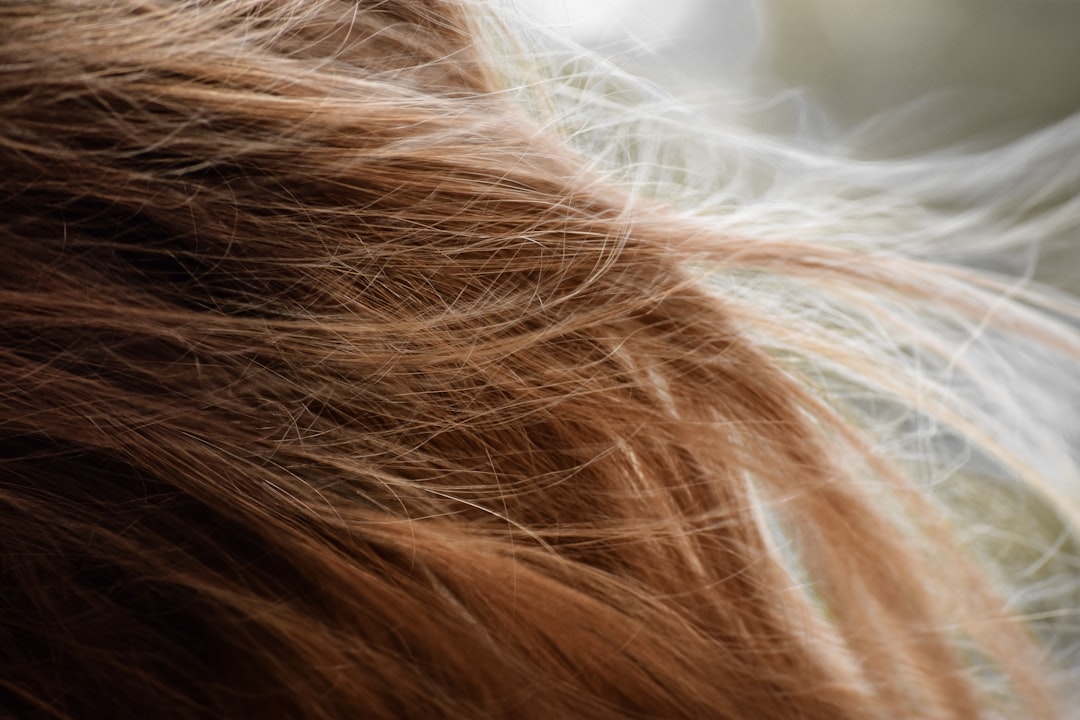
Frizzy hair manifests in several visual ways. Most obviously, it creates flyaways—individual hairs escaping from your main style and standing upward or outward. Unlike intentional texture or waves, flyaways appear wispy, disconnected, and uncontrolled. They catch light differently than the rest of your hair, creating a halo effect around your head’s perimeter.
The overall texture becomes noticeably puffed. Where your hair would normally lie relatively smooth and streamlined, frizzy hair expands outward, increasing your apparent hair volume by 30-50%. This puffing occurs throughout the hair length—not just at the roots—giving the entire head a rounded, cloud-like appearance. Curly or wavy hair types experience more dramatic puffing than straight hair.
Frizzy hair also appears dull and lacks shine. Healthy hair reflects light evenly from the cuticle layer. Frizz occurs when the hair cuticle—the outermost protective layer—lifts away from the hair shaft. This lifted cuticle scatters light in random directions rather than reflecting it straight, reducing apparent shine and making hair look dry even if it’s well-moisturised underneath.
Comparing Frizz to Similar Hair Conditions
Frizz is frequently confused with dryness, though they’re distinct conditions. Dry hair feels rough to the touch, looks dull, may break easily, and lacks elasticity. Frizzy hair can actually be well-hydrated underneath but appear unruly due to cuticle disruption. You can have moisturised frizzy hair or dry non-frizzy hair—the conditions operate independently. This distinction matters because treatments differ: dry hair needs moisture; frizzy hair needs cuticle sealing.
Frizz also differs from texture or waves. Natural texture creates defined waves or curls in a consistent pattern. Frizz appears random and disorganised within whatever your natural texture might be. Texture waves enhance your appearance intentionally; frizz detracts from it. Someone with naturally wavy hair experiences frizz when their waves lose definition and become a puffy, undefined texture instead.
Why Hair Becomes Frizzy: The Science
The hair cuticle consists of overlapping transparent cells resembling roof tiles. When these cells lie flat and overlapped correctly, light reflects evenly and the hair appears smooth and shiny. Humidity, damage, and certain cleaning methods cause these cells to lift away from the hair shaft.
Humidity is the primary culprit. Water molecules from humid air penetrate the hair shaft, causing it to swell. This swelling forces cuticle cells to lift and separate. The lifted cuticle allows more moisture infiltration in a positive feedback loop—more cuticle lifting leads to more moisture absorption, leading to more cuticle disruption. This explains why frizz worsens dramatically on rainy or humid days despite you doing nothing different to your hair.
Hair damage compounds frizzing. Excessive blow-drying, frequent colouring, rough brushing, and heat styling all disrupt the cuticle. Once damaged, the cuticle cannot seal properly, perpetuating frizz regardless of humidity levels. Someone with heat-damaged hair experiences frizz even on dry days because their cuticle cannot maintain its protective sealed state.
How Frizzy Hair Appears at Different Stages
Mild Frizz
Early-stage frizz shows primarily as flyaways around the hairline and temples. The main body of your style remains relatively controlled; only 10-15% of your hair appears noticeably frizzy. Mild frizz responds well to smoothing serums or finishing sprays (£3-8) applied after styling. A light touch with a flat iron on medium heat can also tame visible flyaways quickly without major styling effort.
Moderate Frizz
Moderate frizz creates an overall puffed appearance affecting 40-50% of your hair. Your style’s shape becomes less defined; volume increases noticeably. Moderate frizz typically requires intervention beyond spot treatments. A hydrating hair mask (£4-10, applied for 15-20 minutes weekly) combined with a smoothing serum helps significantly. Many people with moderate frizz report that their hair looks respectable for the first 2-3 hours after blow-drying, then progressively frizzifies throughout the day as humidity accumulates.
Severe Frizz
Severe frizz affects 70-100% of your hair. The texture appears chaotic, undefined, and significantly larger than your hair’s natural volume. Styling feels futile—products have minimal impact. Severe frizz usually indicates cuticle damage or very poor moisture retention and requires professional treatment. Deep conditioning treatments (salon prices £30-60), protein treatments (£15-30), or keratin-smoothing procedures (£80-200) may be necessary. Home care alone typically cannot manage severe frizz without professional intervention first to repair the cuticle.
Frizz Triggers and Recognition Patterns
Recognising what triggers your individual frizz helps manage it proactively. Humidity-triggered frizz worsens in rainy weather, coastal areas, or during summer months. Heat-triggered frizz emerges after blow-drying, straightening, or other thermal styling. Moisture-triggered frizz appears after washing and increases with length of time post-wash. Damage-triggered frizz remains constant because the cuticle cannot seal properly.
Pay attention to timing. Does your hair frizz immediately after washing (likely cuticle disruption from harsh shampooing)? Or does it gradually worsen throughout the day (humidity-related)? Does it only happen on certain days (weather-dependent) or constantly (damage-related)? These patterns reveal the underlying cause and inform which solutions work best for your situation.
Budget-Friendly Solutions for Managing Frizzy Hair
- Microfibre hair towel (£8-12): Reduces friction-induced frizz by 40% compared to regular towels. Eliminates rubbing damage that disrupts the cuticle.
- Hydrating hair mask (£4-10): Apply weekly for 15-20 minutes. Smooths the cuticle and reduces daily frizz by 25-35%.
- Serum or oil (£3-8): Apply sparingly to damp hair before blow-drying. Creates a protective coating around the cuticle.
- Finish spray (£2-6): Light application after styling. Seals the cuticle temporarily and adds shine.
- Leave-in conditioner (£3-7): Apply to damp hair. Provides ongoing moisture throughout the day.
- Clarifying shampoo (£2-5) monthly: Removes buildup allowing better moisture absorption. Use once monthly; frequent use causes additional dryness.
Frequently Asked Questions
Does frizzy hair mean my hair is unhealthy?
Not necessarily. Frizz indicates cuticle disruption, which can result from environmental humidity, damage, or natural texture characteristics—not always poor health. Well-moisturised hair can still be frizzy. However, consistent frizz often signals that your hair needs specific cuticle-sealing treatments rather than just standard conditioning.
Can you have straight hair and frizz at the same time?
Absolutely. Straight hair frizzifies when humidity swells the hair shaft and lifts the cuticle. The result: frizzy straight hair rather than frizzy waves. This pattern is extremely common in the UK’s maritime climate, particularly affecting naturally straight-haired people during spring and summer.
Is frizz permanent once it starts?
Frizz caused by humidity or temporary cuticle disruption can be managed and reduced through proper care. Frizz caused by permanent cuticle damage (from heat, bleaching, or chemical damage) is not reversible, though styling methods and products minimise its appearance. Ultimately, you’ll need a trim to remove severely damaged hair.
Why does humidity cause frizz specifically?
Humid air contains high water vapour concentration. Hair naturally absorbs moisture from its environment to reach equilibrium. As water enters the hair shaft, the shaft swells, forcing the cuticle cells to lift and separate. This lifting creates the frizzy appearance and allows even more moisture to enter, worsening the effect.
Can styling tools reduce frizz or do they cause it?
Most styling tools cause frizz through heat damage and friction. However, a cool-shot blast at the end of blow-drying seals the cuticle temporarily, reducing immediate frizz. Flat irons used on damp hair cause more damage than on dry hair. Use styling tools on dry or nearly-dry hair at moderate heat to minimise damage.
Taking Action on Frizz
Now that you understand what frizzy hair looks like and what causes it, you can identify whether you’re dealing with mild environmental frizz or chronic cuticle damage. Start with affordable solutions: switch to a microfibre towel, apply a weekly hydrating mask, and use a serum before blow-drying. These changes address the most common frizz causes and cost under £20 total. Track your results over 4-6 weeks. If frizz persists despite these interventions, you likely have cuticle damage requiring professional treatment or a trim to remove the damaged portions.