How to Cut Curly Hair: The Complete Guide for Beautiful, Bouncy Results
10 min read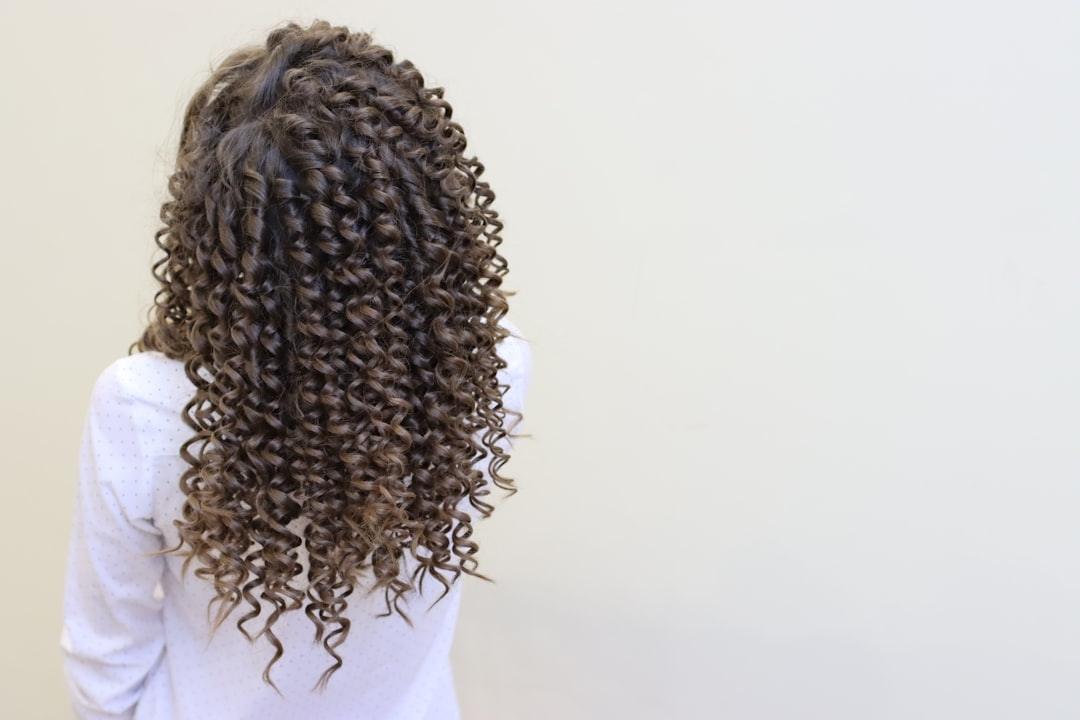
Contents:
- Why Cutting Curly Hair Requires a Different Approach
- The Dry Cutting Method: Your Foundation
- Preparing Your Hair for Cutting
- The Point-Cutting Technique
- Creating Shape and Definition in Your Curls
- Understanding Layers for Curly Hair
- The Shape That Works Best
- Handling Different Curl Types
- Loose Waves and 2A-2C Curls
- Medium to Tight Curls (3A-4C)
- Trimming Your Curls: The Maintenance Cut
- Sustainable and Eco-Friendly Practices
- Common Mistakes to Avoid
- The Right Tools Make All the Difference
- When to Seek Professional Help
- Styling and Maintenance After Your Cut
- Your Curly Hair Cutting Journey Starts Now
- Frequently Asked Questions
- How often should I cut my curly hair?
- Can I cut my curly hair whilst it’s damp?
- What’s the difference between point cutting and razoring curly hair?
- Should I cut my curls shorter if they’re damaged?
- Is it better to cut curly hair at a salon or at home?
You’re standing in front of the mirror, running your fingers through your curls, and wondering why they never seem to fall quite right. Your mate swears by their local salon, but you’d love to take more control of your curl maintenance between appointments. The truth? Learning how to cut curly hair properly transforms not just the look of your curls, but your entire relationship with them.
Why Cutting Curly Hair Requires a Different Approach
Curly hair behaves entirely differently from straight hair, and this fundamental difference demands a completely different cutting philosophy. When wet, your curls stretch out and lie flat—sometimes looking twice as long as they actually are when dry. Cut your curls whilst wet, and you’ll end up with something 3 to 6 inches shorter than you intended once they dry and shrink back up.
The typical salon approach of combing through hair and making straight cuts simply doesn’t work. Your curls have a natural shape with a defined curl pattern, and they want to live in that pattern. Fighting against it with traditional techniques leaves you with frizz, disconnected layers, and curls that refuse to cooperate. Understanding your curl type is crucial—whether you have loose waves, tight coils, or something in between will influence your cutting strategy.
The Dry Cutting Method: Your Foundation
This is the golden rule: always cut curly hair when it’s completely dry. This single change produces the most dramatic difference in results. Your curls will show you exactly where they want to fall, and you’ll see the true length you’re removing.
Preparing Your Hair for Cutting
Start by washing your hair 1-2 days before you plan to cut. This gives your curl pattern time to fully settle and relax into its natural shape. Freshly washed curls can be unpredictable and may not hold their true form. Once you’re ready to cut, run your fingers through your curls to fluff them up and make sure they’re completely dry throughout—not just on the surface.
If you’re cutting at home, have good lighting directly in front of you and a small mirror behind so you can check your progress from different angles. Poor lighting causes uneven cuts that become obvious once you step outside.
The Point-Cutting Technique
Forget everything you know about cutting hair with blunt, horizontal scissors motions. Point cutting—holding your scissors vertically and cutting into the hair at angles—is the technique that works with curly hair rather than against it. This creates texture and definition whilst allowing your curls to maintain their shape and bounce.
To point cut correctly, hold a small section of hair between your fingers, position your scissors vertically (pointing upward), and make small cuts along the length of the strand at various angles. This removes bulk without sacrificing curl definition. You’re not trying to make a clean line; you’re creating movement and texture.
Creating Shape and Definition in Your Curls
The overall shape of your cut determines how your curls fall and frame your face. Curly hair responds best to layered cuts with intentional graduation rather than blunt bobs or one-length styles.
Understanding Layers for Curly Hair
Layers serve a specific purpose in curly hair: they remove bulk that weighs curls down and prevent them from bouncing. Most stylists recommend that curly hair have layers throughout the length, not just at the ends. However—and this is important—the layers need to be cut thoughtfully to avoid creating that disconnected, wispy look that plagues many curly cuts.
Work with 1-inch sections maximum. Smaller sections give you more control and allow you to see exactly what you’re removing. Take vertical sections from your roots, hold them at different angles, and use point cutting to create graduated layers. The key is maintaining connectivity between layers so your curls blend smoothly rather than looking choppy.
The Shape That Works Best
Textured, shoulder-length or longer styles tend to work better with curly hair because the length provides weight and support for your curl pattern. If you’re going shorter, aim for a shape that graduates slightly longer towards the front, creating a flattering frame for your face. Blunt, chin-length bobs often disappoint curly-haired clients because they don’t allow curls to move and settle naturally.
For a general guideline: leave at least 2-3 inches of length at the shortest point unless you’re specifically going for a very short pixie or cropped cut. This ensures your curls have enough length to form properly.
Handling Different Curl Types
Loose waves, springy coils, and tight curls each require slightly different approaches.
Loose Waves and 2A-2C Curls
If your waves are looser, you have a bit more flexibility in cutting techniques. You can sometimes work with damp hair (not dripping wet, but slightly damp) and still get accurate results. However, you’ll still want your final checking and finishing work done on completely dry hair. Point cutting is still your best friend—it enhances the natural texture rather than flattening it.
Medium to Tight Curls (3A-4C)
The more defined and tighter your curls, the more essential the dry cutting method becomes. These curl patterns shrink more dramatically when wet, and they also show imperfections more readily. With these curl types, avoid cutting too short too quickly—you can always cut more, but you cannot add length back.
Work methodically through your hair in small sections. Take each section straight up from the scalp, make your point cuts, and move to the adjacent section. This systematic approach ensures even results throughout.
Trimming Your Curls: The Maintenance Cut
Between salon visits (or for ongoing home maintenance), regular trims every 8-10 weeks keep your curls looking their best and remove damage and dryness from the ends. A maintenance trim typically removes 0.5 to 1 inch from the ends using the point-cutting technique.
Never comb curly hair dry, as this causes breakage and frizz. Use a wide-tooth comb on damp hair before your dry cut, just to gently detangle if needed. Once your hair is dry, gently run your fingers through to fluff it up for cutting.
Sustainable and Eco-Friendly Practices

Taking care of your curls properly means less frequent trims and longer-lasting styles—which is better for the environment. Every time you avoid an unnecessary cut or colour treatment, you’re reducing water consumption (the average salon visit uses 40-60 litres of water) and chemical usage.
If you’re cutting at home, invest in quality scissors that will last for years rather than disposable options. Good hairdressing scissors cost £30-£80 but last a decade with proper care. Reuse and compost your hair clippings if possible—many gardeners use human hair as a natural pest deterrent or compost additive.
By mastering maintenance cuts yourself, you’ll reduce trips to the salon, lower your overall water and chemical footprint, and build a stronger connection with your own curls.
Common Mistakes to Avoid
Learning what not to do is just as important as learning what to do. Here are the pitfalls that derail even well-intentioned curly-haired people:
- Cutting wet hair: This is the biggest culprit behind disappointing results. Your curls will always shrink when they dry, leaving you with a cut that’s shorter than planned.
- Using blunt cutting motions: Horizontal scissors cuts create blunt ends that don’t blend with your curl pattern and increase frizz. Point cutting is not optional for curly hair.
- Taking off too much length: Shorter curly hair requires more frequent maintenance and doesn’t always look fuller. When in doubt, cut less. You can always take more off.
- Ignoring the curl pattern: Trying to fight your natural curl pattern with blunt bobs or one-length cuts wastes time and money. Work with your curls, not against them.
- Combing dry curls: This destroys curl definition and creates frizz. Keep combing for before your cut when hair is damp.
- Uneven sections: Taking haphazard sections whilst cutting creates an uneven result. Work systematically with uniform, small sections.
The Right Tools Make All the Difference
Invest in proper hairdressing scissors—£40-£100 for quality shears that you’ll keep for years. Dull scissors tear the hair shaft rather than cutting cleanly, leading to damage and frizz. Fabric scissors or kitchen knives simply won’t produce the clean cuts your curls deserve.
You’ll also want a fine-tooth comb for detangling damp hair, clips to section your hair while cutting, and a good mirror setup. Some people prefer a handheld mirror alongside a standing mirror to see the back of their head whilst working.
When to Seek Professional Help
If you’re attempting a major shape change, going significantly shorter, or you’ve had previous disappointing results with your curls, it’s worth investing in a professional cut from a stylist who specialises in curly hair. They’ll understand your specific curl pattern, provide custom advice, and create a baseline shape you can maintain at home.
Look for stylists with “curl specialist” credentials or those trained in the Curly Girl Method or similar curl-focused approaches. Many offer consultations to discuss your hair goals and concerns before committing to a service. In the UK, expect to pay £45-£90 for a quality curly cut depending on your location and the salon’s experience level.
Styling and Maintenance After Your Cut
A great cut means nothing if your curls aren’t properly hydrated and defined when you style them. After cutting, use a leave-in conditioner and curl cream or gel to enhance your natural pattern. Many people find their curls fall better once they’ve adapted to the new shape after 1-2 wash cycles.
Avoid touching or picking at your curls whilst they’re drying; let them set naturally. If you use a diffuser on your hair dryer (and you should), use it on low to medium heat to avoid damaging your newly cut curls.
Your Curly Hair Cutting Journey Starts Now
Learning how to cut curly hair properly is genuinely transformative. You move from fighting your curls to collaborating with them. Your natural pattern becomes an asset rather than a frustration. Whether you’re maintaining a salon cut at home or taking full responsibility for your curl cutting, the dry cutting method, point-cutting technique, and systematic approach will serve you well.
Start with a professional cut from a curl specialist if possible—this gives you a baseline and builds confidence. Then use these techniques for maintenance between appointments. With practice, your hands will develop the feel for how much you’re removing and how your curls want to move.
The best part? Once you understand these principles for how to cut curly hair, you’ll never feel helpless in front of the mirror again.
Frequently Asked Questions
How often should I cut my curly hair?
Every 8-10 weeks for maintenance trims of 0.5-1 inch. If you’re letting your hair grow, you can extend this to 12 weeks. More frequent trims prevent split ends from travelling up the hair shaft and damaging your curl definition.
Can I cut my curly hair whilst it’s damp?
Not for accuracy. Damp hair continues to dry and shrink throughout your cut, making it impossible to judge the true length. Always wait until your hair is completely dry and will remain in its resting curl pattern throughout the cutting process.
What’s the difference between point cutting and razoring curly hair?
Point cutting with scissors creates textured, blended layers that work beautifully with curls. Razoring (using a razor tool) can work on thicker curly hair but tends to create too much texture and can lead to flyaways on finer curls. Scissors with point-cutting technique is generally the safer, more versatile choice.
Should I cut my curls shorter if they’re damaged?
Yes, cutting off 0.5-1 inch removes the most damaged ends and allows your curl pattern to bounce back. However, if you’re noticing extensive damage throughout your curls, the issue is usually moisture and hydration rather than a cutting problem. Address your conditioning routine alongside your cut.
Is it better to cut curly hair at a salon or at home?
For your first few cuts and any major shape changes, a professional stylist trained in curly hair is invaluable. For maintenance trims between appointments, many people successfully cut their own hair at home once they’ve learned the technique and have the proper tools. Start at a salon to build confidence and baseline technique.