Does Lemon Juice Lighten Hair? A Complete Guide to Natural Hair Lightening
12 min read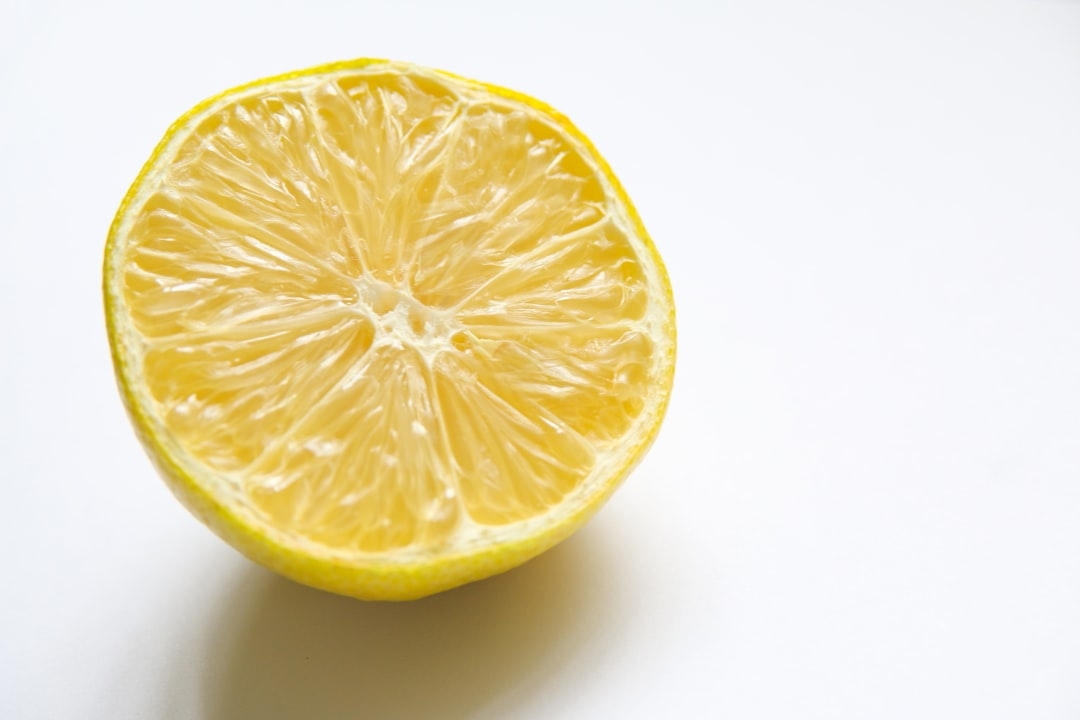
Contents:
- Can Lemon Juice Actually Lighten Your Hair?
- The Chemistry of Lemon Juice and Hair Lightening
- How Effective Is the Lemon Juice Method?
- Step-by-Step Application Method
- Budget-Friendly Considerations and Cost Comparison
- Potential Risks and Hair Damage Prevention
- Sustainability and Eco-Friendly Advantages
- Regional Differences in Results
- Alternative Natural Lightening Methods
- Maintenance and Protecting Your Results
- Frequently Asked Questions
- How long does it take to see results from lemon juice lightening?
- Will lemon juice lighten dark brown or black hair?
- Can I leave lemon juice on my hair overnight?
- Does lemon juice work without sunlight?
- Is lemon juice safe for coloured or previously bleached hair?
- Making Your Choice: Is Lemon Juice Right for Your Hair?
Can Lemon Juice Actually Lighten Your Hair?
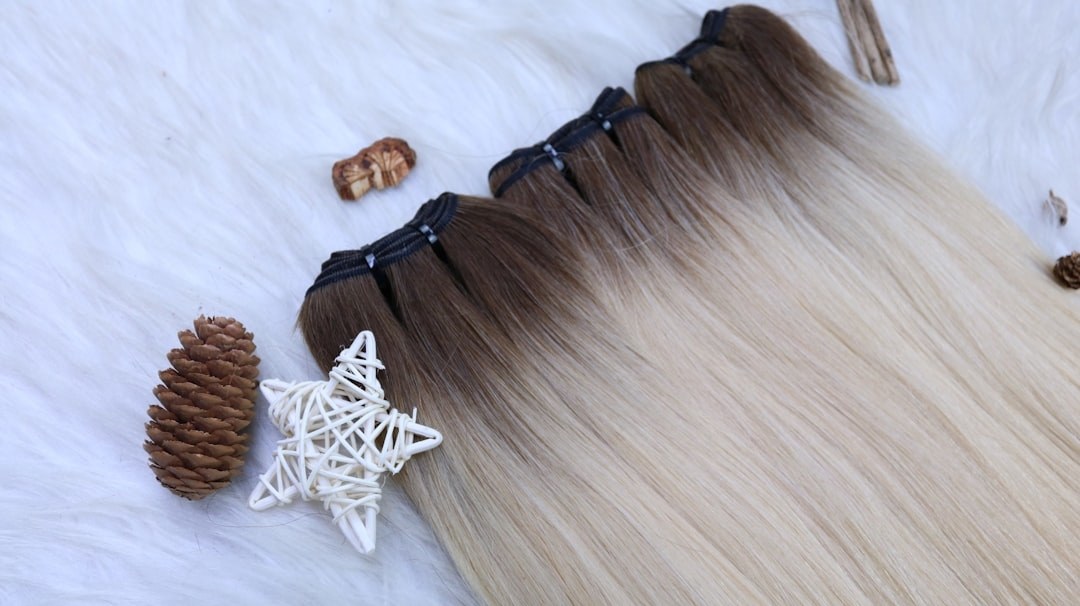
Lemon juice can produce subtle lightening effects on hair, particularly for lighter hair types exposed to UV sunlight. This natural method relies on citric acid to gently lift colour molecules from the hair shaft when combined with sun exposure. However, the results vary dramatically depending on your starting hair colour, hair texture, and environmental factors. The lightening effect typically becomes visible only after repeated applications over several days, and most noticeably affects blonde, light brown, or naturally sun-bleached hair rather than dark hair.
The science behind this process is straightforward: citric acid opens the hair cuticle slightly, whilst ultraviolet (UV) light from the sun acts as a natural bleaching agent. When these two factors work together, some of the melanin pigment—the molecule responsible for hair colour—can be gradually degraded and washed away. This differs significantly from chemical hair lighteners, which use hydrogen peroxide and ammonia to strip colour more aggressively and permanently.
The Chemistry of Lemon Juice and Hair Lightening
Lemon juice contains citric acid at approximately 5-6% concentration by volume. This acid works as a mild cuticle raiser, meaning it slightly lifts the protective outer layer of your hair shaft. This microscopic opening allows sunlight to penetrate deeper into the cortex, where hair colour is stored. On its own, lemon juice causes minimal colour change. The real lightening happens when you pair it with sun exposure—specifically, UV-A and UV-B rays that break down the chemical bonds holding melanin molecules together.
Dr. Margaret Chen, a trichologist based in Manchester, explains: “The lemon juice method works best on naturally lighter hair because there’s less total pigment to break down. For every hour of sunlight exposure combined with citric acid application, you might see a shift of half to one shade lighter, but only if conditions are optimal. This is not a dramatic transformation—it’s a subtle enhancement.”
The pH of lemon juice is approximately 2.0-2.6, which is acidic. Hair naturally exists at a pH of around 4.5-5.5. When you lower the pH of your hair shaft, the cuticle layers flatten, which can improve shine. However, extended exposure to highly acidic substances can cause damage if not balanced properly. This is why many people dilute lemon juice with water before applying it to their hair.
How Effective Is the Lemon Juice Method?
The effectiveness of lemon juice for hair lightening depends on multiple factors. Your results will be most noticeable if you have light blonde or light brown hair. Someone with mousy brown or darker hair might spend weeks applying lemon juice without seeing any visible change. The reason: darker hair contains significantly more melanin molecules, and citric acid alone simply cannot break down enough of them to create a visible shift.
Climate and season matter enormously. In the UK, where sunshine is limited and often weak, the lightening effect will be slower than in sunnier regions. A person applying the same lemon juice treatment in Cornwall or the South Coast might see results in 2-3 weeks, whilst someone in Scotland might need 4-6 weeks to notice any change at all. This regional variation means your timeline for results depends heavily on your location and the season.
The duration and intensity of sun exposure also affects outcomes. You need genuine, direct sunlight—not just daylight on an overcast day. This means the method works best during late spring through early autumn (May to September) when the UK receives stronger UV rays. Winter applications are largely ineffective because the sun’s rays are too weak to activate the lightening process efficiently.
Hair texture plays a crucial role as well. Fine, straight hair typically responds better to the lemon juice method than thick, curly, or coily hair. Fine hair has a thinner cuticle layer and absorbs liquid more readily, allowing the citric acid to penetrate more effectively. Coily and textured hair has a naturally more raised cuticle pattern, so the additional cuticle-raising effect of lemon juice produces less dramatic results.
Step-by-Step Application Method
To apply the lemon juice lightening treatment safely, follow this process:
- Prepare your mixture: Dilute fresh lemon juice with water in a 1:1 ratio. Undiluted lemon juice is too harsh and can cause significant dryness and brittleness. A typical batch uses 120ml lemon juice mixed with 120ml distilled water. Adding a few drops of a lightweight oil (coconut or jojoba) to 250ml of this mixture further protects your hair.
- Conduct a patch test: Apply the diluted mixture to a small, hidden section of hair at the nape of your neck. Wait 24 hours to ensure you don’t experience any allergic reaction or unexpected dryness.
- Spray evenly: Transfer the mixture into a clean spray bottle. Section your hair into 4-6 manageable sections using clips. Spray the mixture onto each section, ensuring saturation from roots to ends. The mixture should feel damp but not dripping wet.
- Sun exposure: Once applied, sit in direct sunlight for 1-3 hours. The longer you stay in the sun, the stronger the lightening effect—but don’t exceed 3 hours initially, as this can cause excessive dryness. You can reapply the mixture after 1.5 hours for extended sessions.
- Rinse thoroughly: After sun exposure, rinse your hair with cool water to remove all lemon juice residue. Use a gentle conditioner from mid-length to ends to restore moisture.
- Repeat strategically: You can repeat this process every 2-3 days. Results typically appear after 3-5 applications. Most people do not see noticeable lightening until at least 2 weeks of consistent applications.
Budget-Friendly Considerations and Cost Comparison
One major advantage of the lemon juice method is its affordability. A bottle of fresh lemon juice costs approximately £0.50-£1.50 at UK supermarkets, and a single bottle can provide enough mixture for 15-20 applications. Compare this to professional hair lightening treatments, which typically cost £75-£200 per session depending on hair length and salon location. Even salon treatments marketed as “natural” or “organic” rarely cost less than £80.
Over a three-month period of consistent lemon juice applications (twice weekly), your total cost would be roughly £2-£4. A single professional lightening session costs 20-100 times more. For budget-conscious readers seeking subtle lightening without financial commitment, the DIY lemon juice method represents exceptional value.
However, there are hidden costs to consider. If the treatment causes unexpected dryness, you may need to invest in deeper conditioning treatments or hair masks, which cost £5-£15 each. High-quality leave-in conditioners (£8-£15) become essential maintenance products when using any lightening method. Additionally, if you damage your hair through improper application, repairing that damage at a salon can cost £100-£300.
Potential Risks and Hair Damage Prevention
The primary risk of using lemon juice on hair is moisture loss and dryness. Citric acid can strip natural oils from your hair shaft, leaving it brittle and prone to breakage. This risk increases with repeated applications and with extended sun exposure. Hair that is already damaged, coloured, or chemically treated (from perms or relaxers) is significantly more vulnerable to further damage.
To minimise damage, always dilute lemon juice—never apply it undiluted. Always use a deep conditioning treatment immediately after each application. If your hair already feels dry or brittle, consider skipping the lemon juice method entirely and choosing a safer alternative like chamomile tea or apple cider vinegar rinses, which have gentler pH levels.
Sun damage itself is another concern. Extended UV exposure can cause protein breakdown in your hair, leading to loss of elasticity and shine. This damage is separate from the lightening effect and accumulates over time. Never exceed 3 hours of direct sun exposure per application, and allow your hair at least 2-3 days of recovery between treatments.
People with dark hair (medium brown to black) should be particularly cautious. The lemon juice method rarely produces visible results on dark hair, but the drying effects will still occur. For dark hair, expecting subtle lightening after 8-12 weeks of consistent treatment is more realistic, and results may be so subtle that they’re barely visible.
Sustainability and Eco-Friendly Advantages
The lemon juice method stands out as one of the most environmentally responsible hair lightening options available. Unlike chemical hair dyes and bleaching treatments, which require petroleum-based synthetic chemicals and generate toxic wastewater, the lemon juice method produces zero chemical waste. The leftover mixture is biodegradable and can safely go down your drain or even into a garden as compost.
Buying lemons from UK farmers or choosing locally-sourced produce reduces the carbon footprint associated with the method. Many UK supermarkets now stock loose lemons rather than pre-packaged varieties, allowing you to purchase only what you need. This reduces packaging waste. For those committed to zero-waste living, purchasing lemons from a farmers’ market or local greengrocers eliminates plastic packaging entirely.
Professional hair lightening treatments often involve plastic tubes, packaging, and applicator bottles that end up in landfill. The lemon juice method uses items you likely already own: a spray bottle (reusable for years), a bowl, and a spoon. Once you’ve completed your lightening journey, you’ve generated virtually no waste.
From a resource perspective, lemon juice requires only water and sunlight—two freely available resources in the UK. This contrasts sharply with commercial products that rely on energy-intensive manufacturing processes and global supply chains.
Regional Differences in Results
The effectiveness of lemon juice lightening varies significantly across the UK due to regional differences in sunshine duration and UV intensity. The North East and Scotland receive significantly less annual sunshine than the South West. Edinburgh averages approximately 1,400 hours of sunshine per year, whilst Cornwall averages 1,800 hours. This 28% difference in sunshine means someone using the lemon juice method in the South West would see results roughly one month faster than someone in Scotland applying the identical treatment.
The South and South West (including Devon, Cornwall, Dorset, and the Channel Islands) experience the strongest and most consistent UV rays throughout the year. These regions are most suitable for the lemon juice method, with noticeable results typically appearing within 2-3 weeks of twice-weekly applications during the summer season.
The Midlands and North West experience more cloud cover and weaker UV rays. Consistent results may take 4-6 weeks, and winter applications are largely ineffective. These regions are better suited to the method during the peak summer months of June, July, and August.
Scotland, Northern Ireland, and the far North of England receive the least consistent sunshine. The lemon juice method works here, but requires patience. Plan for 6-8 weeks to see noticeable results, and focus all applications during the summer season when sun exposure is strongest.
Alternative Natural Lightening Methods
If the lemon juice method appeals to you but you want to explore other options, several alternative natural approaches exist. Chamomile tea contains compounds that gently lighten hair when applied and sun-dried repeatedly. It produces results similar to lemon juice but with less drying effect. Brewing two strong chamomile tea bags, allowing them to cool, and spraying the mixture onto damp hair creates a mild lightening effect. The advantage: chamomile is gentler on dry or previously coloured hair.
Apple cider vinegar mixed with water (1:2 ratio) creates a slightly acidic rinse that can enhance natural colour whilst providing conditioning benefits. It lightens more gradually than lemon juice but causes less dryness. Rinsing your hair with this solution three times weekly as a final rinse after shampooing may produce subtle lightening over 6-8 weeks.
Cinnamon paste applied to damp hair and left to set for 8-10 hours (or overnight) can gradually lighten hair through a combination of acidic compounds and natural colour pigments. This method requires patience—usually 4-8 applications over 2-3 weeks—but works particularly well on lighter hair and causes minimal dryness.
Honey lightening treatments involve mixing raw honey with conditioner and leaving it on hair for 12+ hours. The glucose in honey slowly breaks down melanin. This method is significantly gentler than lemon juice and works reasonably well on light to medium brown hair, though results take longer to appear (8-12 weeks).
Maintenance and Protecting Your Results
Once you’ve achieved subtle lightening with lemon juice, protecting those results requires commitment. Colour-fading shampoos and conditioners help preserve any lightening you’ve achieved by reducing colour oxidation. Products containing UV filters protect lightened hair from the sun’s darkening effects between lightening sessions. Apply these products consistently throughout the year to prevent reversion to your original colour.
Deep conditioning treatments become non-negotiable maintenance. Apply a intensive moisture mask once weekly to restore the hydration that the lemon juice treatment removed. Leave-in conditioners provide ongoing protection, reducing frizz and breakage that can make hair appear darker and less lustrous.
Minimise heat styling during and after your lightening journey. Blow dryers, straighteners, and curling tools cause additional protein breakdown and colour fading. Air-drying your hair whenever possible preserves the subtle lightening effects you’ve worked to achieve.
Plan touch-up applications every 4-6 weeks during warmer months if you want to maintain your lighter shade. Most people find that one application every month during the summer season is sufficient to keep their hair subtly lighter than their natural colour.
Frequently Asked Questions
How long does it take to see results from lemon juice lightening?
Most people notice subtle results after 3-5 applications over 2-3 weeks. Results become more obvious after 4-6 weeks of consistent twice-weekly applications. Timeline depends significantly on starting hair colour, regional sunshine, and hair texture. Light blonde hair may show results within 1-2 weeks, whilst medium brown hair may require 6-8 weeks to see noticeable change.
Will lemon juice lighten dark brown or black hair?
Lemon juice has minimal effect on dark hair because dark hair contains significantly more melanin. You might achieve subtle lightening (shifting dark brown by half a shade) after 12 weeks of consistent treatment, but results are rarely visible on black or very dark hair. This method works best on hair that is blonde, light brown, or naturally sun-lightened.
Can I leave lemon juice on my hair overnight?
No. Extended lemon juice exposure (beyond 3 hours) causes excessive dryness, brittleness, and breakage. Maximum recommended exposure is 3 hours per application. Overnight applications will likely damage your hair without producing significantly better results than a 3-hour application. Always rinse thoroughly and condition immediately after lemon juice treatment.
Does lemon juice work without sunlight?
Lemon juice alone produces no visible lightening without UV exposure. The acid opens the hair cuticle, but sunlight is essential for actually breaking down melanin molecules. Indoor applications of lemon juice will only dry your hair without any lightening benefit. Always apply the mixture before going outside into direct sunlight.
Is lemon juice safe for coloured or previously bleached hair?
Previously bleached or chemically treated hair is more vulnerable to dryness and damage from lemon juice. You can use the method, but dilute it more thoroughly (1 part lemon juice to 2 parts water), limit sun exposure to 1-2 hours, and use intensive conditioning treatments. Alternatively, consider gentler methods like chamomile tea or apple cider vinegar rinses instead.
Making Your Choice: Is Lemon Juice Right for Your Hair?
The lemon juice lightening method makes sense for people meeting these criteria: light blonde or light brown hair, patience for gradual results, location in the sunnier regions of the UK (South West preferred), and budget constraints that make professional treatments impossible. If you have these factors working in your favour, expect subtle, natural-looking lightening that costs just a few pounds.
The method is less suitable if you have dark hair, live in Scotland or the North, need immediate results, or have dry or previously damaged hair. In these situations, exploring other methods (chamomile tea, honey treatments, or accepting your natural colour) may be more practical.
Start with a patch test, set realistic expectations, and commit to the full 4-6 week process. Many people discover that subtle natural lightening from consistent lemon juice applications looks healthier and more authentic than dramatic colour change from chemical treatments. Your hair—and your budget—will thank you for the gentle approach.