How Long Does Semi-Permanent Hair Dye Last?
15 min read
Contents:
- Understanding Semi-Permanent Hair Dye: What Makes It Different
- How Long Does Semi-Permanent Hair Dye Actually Last?
- Week-by-Week Colour Progression
- Why the Timeline Varies So Much
- Factors That Directly Impact How Long Your Colour Lasts
- Hair Porosity and Texture
- Your Starting Hair Colour
- Water Temperature and Washing Frequency
- The Quality and Brand of the Dye
- Climate and Chlorine Exposure
- How Semi-Permanent Dye Compares to Permanent Colour
- Extending Semi-Permanent Hair Dye: Practical Strategies That Work
- Temperature and Washing Technique
- Product Selection for Colour Care
- Heat Styling and Environmental Protection
- Between-Wash Maintenance
- Refreshing vs. Reapplying: When and How to Maintain Your Colour
- Refreshing Your Colour
- Complete Reapplication
- Specific Shade Longevity: Which Colours Last Longest?
- Red and Pink Tones
- Purple and Blue Tones
- Black and Dark Brown
- Blonde and Pastels
- Common Mistakes That Shorten Colour Life
- FAQ: Your Semi-Permanent Hair Dye Questions Answered
- Q: Can I make semi-permanent dye last longer than 6 weeks?
- Q: How often should I reapply semi-permanent dye to keep it looking fresh?
- Q: Does semi-permanent dye work on dark brown hair?
- Q: Will semi-permanent dye stain my skin, scalp, or bathroom surfaces?
- Q: Is there a difference between how long semi-permanent lasts on previously bleached vs. virgin hair?
- The Reality of Semi-Permanent Hair Dye Longevity
Quick Answer
Semi-permanent hair dye typically lasts 4-6 weeks, with most colour fading noticeably after the first 2-3 washes. The exact duration depends on your hair type, starting colour, water temperature, and how often you wash. Full removal takes 8-12 weeks.
Back in the 1980s, when semi-permanent dyes first gained mainstream popularity, they offered something revolutionary: colour without the commitment. Punk and new wave enthusiasts embraced them for quick transformations that didn’t require a trip to the salon every month. Forty years later, semi-permanent dye remains one of the most popular colour choices for people wanting vibrant results without the long-term damage or expense of permanent colour. But the question that most people ask is the same one your stylist gets asked weekly: exactly how long will this last?
Understanding Semi-Permanent Hair Dye: What Makes It Different
Semi-permanent hair dye works fundamentally differently from permanent colour. Rather than opening the hair cuticle and depositing colour molecules deep into the cortex (as permanent dye does), semi-permanent colour sits on the outside of the hair shaft and gradually washes away. This is why it’s gentler on your hair but also why it doesn’t last as long.
The dye molecules in semi-permanent products are smaller and don’t penetrate as deeply into the hair structure. They cling to the outer layers, which is why you’ll see colour fading with each wash. Most semi-permanent dyes contain no ammonia or peroxide, making them significantly less damaging than permanent alternatives. This matters when you’re planning your colour strategy—semi-permanent is excellent for testing bold shades or refreshing faded permanent colour between salon visits.
The actual chemistry of semi-permanent products means they work best on lighter hair. If you have very dark hair and want a dramatic colour change, semi-permanent dye will show minimal results without pre-lightening. The pigment molecules simply won’t show up as dramatically against darker base tones.
How Long Does Semi-Permanent Hair Dye Actually Last?
The honest answer is that semi-permanent hair dye lasts 4-6 weeks for most people, but this comes with significant variation depending on multiple factors. Within that timeframe, the colour you see will change noticeably.
Week-by-Week Colour Progression
During the first week, you’re seeing the dye at its most vibrant. The colour is at peak intensity, and you might actually think it’s brighter than you wanted. Don’t worry—this is normal and expected.
By the second week, you’ll notice the first significant fade. This is when semi-permanent dye shows its nature most clearly. Depending on how often you wash your hair, the colour might appear 10-20% less intense. This is the sweet spot for many people—still clearly coloured but slightly more natural-looking than day one.
At the three-week mark, the fade becomes more obvious. Red and pink tones typically drop off fastest at this stage, while blue and purple tones tend to linger longer. By week four, most people notice the colour has faded to perhaps 50-60% of its original intensity. For some shades, this is when the colour becomes less flattering and more ‘brassy’ or muddy.
Weeks five and six see continued fade. The colour is still visible but much more muted. By week six or seven, the majority of people feel the colour has faded enough that it needs refreshing. However, complete removal takes longer—residual pigment can remain visible for 8-12 weeks, especially on very porous hair.
Why the Timeline Varies So Much
The variance in how long semi-permanent dye lasts comes down to several controllable and uncontrollable factors. Understanding these helps you predict what will happen with your own hair and take action to extend the colour.
Factors That Directly Impact How Long Your Colour Lasts
Hair Porosity and Texture
Hair porosity is probably the single biggest factor determining dye longevity. Porous hair—which has raised cuticles and absorbs moisture readily—actually holds semi-permanent dye longer than you’d expect. The dye molecules find more texture to cling to. Fine, thin hair is typically more porous, meaning a 4-week estimate might stretch to 5-6 weeks.
Conversely, hair with a smooth cuticle layer (common in straight, thick, or Asian hair types) tends to release semi-permanent dye faster. You might see significant fade by week 3 or 4. Hair that’s been previously bleached or damaged is extremely porous and will grab and hold colour intensely at first, but may release it in unpredictable patterns.
The texture matters too. Curly and coily hair naturally has more surface area and tends to hold colour longer than straight hair. If you have very tightly coiled hair, you might get full 6-8 weeks of decent colour, whereas fine, straight hair might only look fresh for 3-4 weeks.
Your Starting Hair Colour
What colour you start with dramatically affects how the semi-permanent dye looks and lasts. If you have very pale blonde hair, vibrant semi-permanent colour will look intense from day one and still be clearly visible at week six. The lighter your base, the longer the colour appears to last simply because it shows up more clearly.
Medium to dark brown hair presents a challenge. Semi-permanent dye alone rarely creates a dramatic change on unbleached dark hair. If you want a noticeable colour on dark hair, you’ll likely need to pre-lighten first. Once you do, the dye will last longer on that lightened section (which is more porous) than it would on virgin dark hair.
If you’re going from one semi-permanent shade to another—say, refreshing faded red with a new batch of red—the existing colour deposit can extend the apparent lifespan because the underlying tone helps maintain richness even as the new dye fades.
Water Temperature and Washing Frequency
How you wash your hair has an enormous impact on colour longevity. Hot water opens the hair cuticle, allowing dye molecules to escape more readily. If you wash with hot water twice daily, expect semi-permanent dye to fade noticeably by week 3. If you wash with lukewarm water three times weekly, you might maintain decent colour through week 5-6.
Every single wash removes a small amount of dye. Over 28 days, someone washing twice daily gets 56 washes, while someone washing three times weekly gets only 12 washes. That’s a massive difference in colour retention. This is why professionals consistently recommend cool water for colour-treated hair—it genuinely works.
Dry shampoo becomes your friend here. Using it between washes extends colour life by days each month simply by reducing the total number of washes your colour goes through. Some people report that switching to once-weekly shampooing (and using dry shampoo in between) makes their semi-permanent dye last noticeably longer.
The Quality and Brand of the Dye
Not all semi-permanent dyes are created equal. Budget brands sometimes fade faster because they use lower-quality pigments that don’t bond as well to hair. Professional-grade semi-permanent dyes from brands like Toner, Directions, or Adore typically last somewhat longer than grocery store brands—often by 1-2 weeks.
The pigment concentration also matters. Some dyes are formulated to be more concentrated, meaning you can dilute them for gentler application without sacrificing colour payoff. A more concentrated formula typically fades slightly slower because more pigment is on the hair to begin with.
Climate and Chlorine Exposure
Chlorine is notoriously harsh on semi-permanent dye, especially reds and purples. Even one swimming session in a chlorinated pool can shift the colour noticeably. If you swim weekly, you’ll see your semi-permanent dye fade faster—potentially 1-2 weeks faster than normal. Saltwater from beaches is somewhat gentler but still fades colour faster than regular washing.
Sun exposure also matters. Prolonged sun exposure fades semi-permanent dye faster, particularly true reds and vibrant purples. If you spend significant time outdoors in summer, expect colours like red to fade by week 4 rather than week 5-6. UV rays break down the colour molecules over time.
Humidity and heat can affect how quickly dye fades. In very hot, humid climates, colour typically fades slightly faster than in cooler regions. This is partly because people wash more frequently in hot climates and partly because heat accelerates the natural fading process.
How Semi-Permanent Dye Compares to Permanent Colour
The confusion between semi-permanent and permanent dye causes a lot of frustration. Here’s the critical difference: permanent dye contains peroxide and ammonia that chemically alter your hair’s structure and deposit colour molecules permanently (or at least until your hair grows out). Semi-permanent dye uses only colour molecules that sit on the outside of the hair shaft and gradually wash away.
Lifespan comparison: Permanent colour lasts 4-6 weeks before you start seeing noticeable regrowth at the roots, but the colour itself never fully washes out—you’re waiting for new hair to grow in. Semi-permanent colour completely washes out in 8-12 weeks. If you’re looking for something temporary that won’t leave you with a line of demarcation as new hair grows in, semi-permanent is genuinely better.
Damage comparison: Permanent dye is significantly more damaging. Semi-permanent dye is gentler because it doesn’t open the cuticle chemically. For people with already-damaged hair, semi-permanent is the better choice.
Colour intensity: Permanent colour gives more dramatic, intense results, especially on darker hair. Semi-permanent is better for maintaining blonde or creating bold tones on pre-lightened hair.
Cost comparison: In 2026, a quality semi-permanent dye costs £8-15, while permanent colour costs £6-12 for at-home application or £40-80 at a salon. Because you’ll need to reapply semi-permanent dye more frequently (every 6 weeks vs. every 6-8 weeks for permanent), the annual cost isn’t dramatically different if you’re doing it yourself.
If you like experimenting with colours and don’t want permanent commitment, semi-permanent wins. If you want a colour that truly lasts and doesn’t require frequent touching up, permanent is the answer.
Extending Semi-Permanent Hair Dye: Practical Strategies That Work
Temperature and Washing Technique
Wash with lukewarm to cool water exclusively. This single change can extend colour life by 1-2 weeks. Yes, it feels uncomfortable at first, but your colour (and your hair health) will thank you. Consider ending every wash with a 30-second cool rinse to close the cuticle.
When washing, use a gentle motion. Vigorous scrubbing agitates the hair cuticle and releases dye faster. Massage your scalp gently with fingertips rather than nails. This isn’t just about colour—it’s better for your hair generally.
Wash less frequently. This is the most impactful change you can make. Every wash removes dye. If you currently wash daily, moving to every other day immediately extends colour by several days. Using dry shampoo on non-wash days keeps your hair fresh without additional shampooing.
Product Selection for Colour Care
Use a colour-safe shampoo and conditioner. Regular shampoo contains surfactants that strip colour molecules away. Colour-safe formulas are gentler and specifically designed to preserve dye. Expect to pay £4-8 more per bottle, but the extended colour life (typically 5-7 extra days) makes it worthwhile.
Add a colour-depositing conditioner to your routine. These conditioners contain pigment that deposits back onto your hair with each wash, counteracting fade. Using one once weekly or every other wash maintains vibrancy and can extend apparent colour life by 1-2 weeks. For purple-toned hair, use purple-depositing conditioner; for warm tones, use copper-depositing versions.
Avoid products with silicone. Whilst silicone makes hair feel smooth, it can create buildup that interferes with dye absorption during initial application and accelerates fade. Look for silicone-free options.
Heat Styling and Environmental Protection
Heat from blow dryers, straighteners, and curling tools opens the hair cuticle and accelerates dye escape. If you style with heat daily, you’ll see faster fade. Using heat protection spray before styling helps, but air-drying when possible gives the longest colour life. Even switching from daily blow-drying to three times weekly makes a measurable difference.
UV protection matters more than many people realise. Use a hair product with UV filters before spending time in the sun, or wear a hat or head covering. This is particularly important for reds, which fade fastest under UV exposure. UV-protective sprays are inexpensive (£5-10) and genuinely extend colour life in sunny climates.
Swimming requires special attention. Apply a leave-in conditioner or special pre-swim spray before entering the water. This helps create a barrier against chlorine. Wet your hair with fresh water first—hair saturated with fresh water absorbs less chlorinated water. Rinse immediately after with cool water.
Between-Wash Maintenance
A semi-permanent refresher treatment every 2-3 weeks can maintain colour intensity. You don’t need a full reapplication—apply it only to the mid-lengths and ends where fade shows most. This tops up the colour without overdoing the roots. Cost is minimal (usually £5-8 per treatment) compared to a full reapplication.
Olaplex or similar bond-repair treatments actually help maintain colour longevity by improving hair health. Healthier hair retains colour better. Using a hair mask weekly strengthens hair and can subtly improve colour retention.
What the Pros Know
Professional colourists understand something most people don’t: the first 48 hours after applying semi-permanent dye are crucial. Waiting at least 48 hours before washing gives the dye maximum time to settle into the hair. Even waiting just 24 hours (instead of washing the same day) makes a measurable difference in longevity. Plan your colour application for a day or two before your regular wash schedule. Additionally, pros often leave semi-permanent dye on longer than the instructions suggest—15-30 minutes longer, depending on the product—for deeper colour saturation that lasts slightly longer.
Refreshing vs. Reapplying: When and How to Maintain Your Colour
As semi-permanent dye fades, you’ll notice that the colour becomes progressively less vivid. The decision point for refreshing usually comes around week 4-5, when colour intensity has dropped to about 50% of its original brightness. At this stage, you have two options: refresh or do a full reapplication.
Refreshing Your Colour
A refresh means applying semi-permanent dye again without waiting for the old dye to fully wash out. This works well if you like the direction the colour has faded (say, a red that’s become more muted and sophisticated). You’re essentially layering new pigment over existing pigment.
Refresh every 4-5 weeks if you want to maintain peak colour vibrancy. This is easier than waiting for complete fade and then reapplying fresh—you’re adding to what’s already there rather than starting from scratch. The cumulative pigment can sometimes create richer tones than the original application.
For refresh applications, you might use a weaker mix (diluting the dye with conditioner) or apply for a shorter duration (10-15 minutes instead of 20-30). This prevents the colour from becoming too intense or uneven. Focus on mid-lengths and ends rather than roots.
Complete Reapplication
If you want to change the shade or wait longer between applications, you might prefer letting the dye fade completely (8-12 weeks) and then applying a fresh colour. This gives you a clean slate and prevents any muddying from layered pigments.
Complete fade does take time. If you want to switch from red to purple without the red showing through, you’re looking at 10-12 weeks of waiting. Some people use clarifying shampoo to speed the process—it can remove semi-permanent dye faster—but this is harsh on hair and not recommended frequently.
If you’re switching to a completely different colour family (dark hair to blonde, for example), semi-permanent dye won’t work well and you’ll need to use permanent colour or bleach. Semi-permanent is better for maintaining or enhancing existing colour rather than creating dramatic transformations.
Specific Shade Longevity: Which Colours Last Longest?
Different colours fade at different rates, and knowing this helps set realistic expectations.
Red and Pink Tones
Red and pink are notorious for fading fastest. Expect noticeable fade by week 2-3. These shades are more prone to environmental factors—chlorine, sun, and frequent washing all accelerate fade. A vibrant red might last 4 weeks at reasonable intensity, then fade to a pale salmon tone by week 6. If you love red, use colour-depositing red conditioner weekly to maintain vibrancy.
Purple and Blue Tones
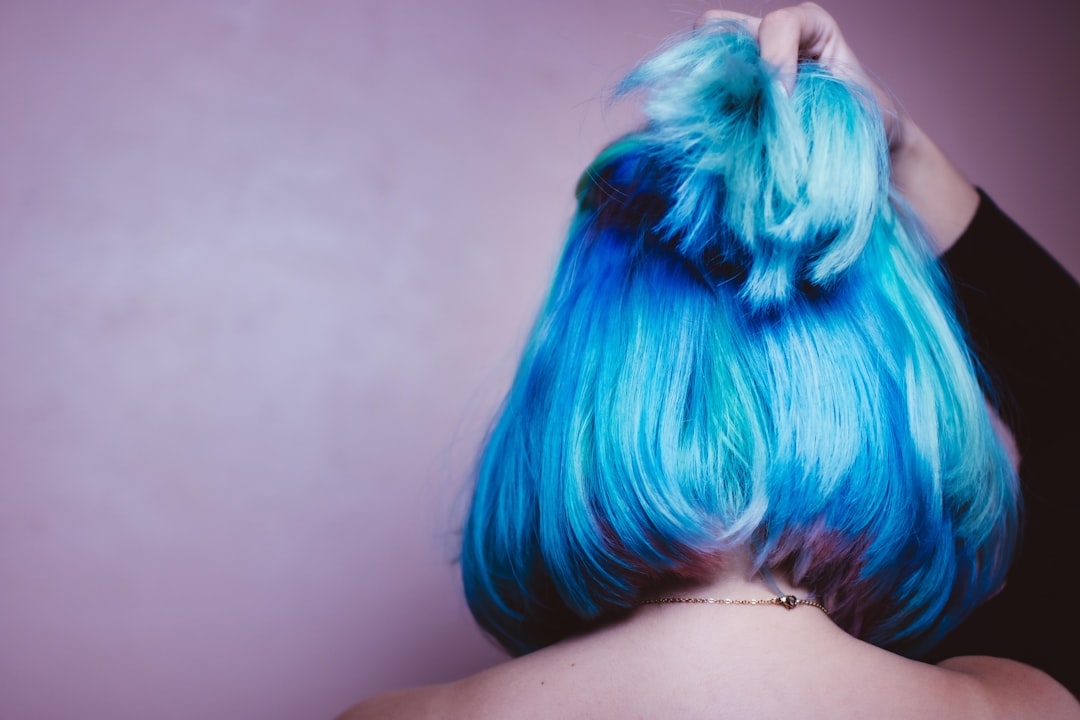
Purple and blue actually hold reasonably well, typically lasting 4-6 weeks at visible intensity. They fade more gradually than reds, shifting from vibrant to more muted rather than appearing washed out. A deep purple might become a softer mauve by week 5, which many people still find acceptable.
Black and Dark Brown
These last longest—6-8 weeks or more for dark shades. They’re the most forgiving for fade because even a somewhat faded black-dyed hair still looks intentionally dark rather than accidentally washed out. Dark tones work well on darker natural hair and last longest overall.
Blonde and Pastels
Pale tones like silver, pastel pink, and pale blonde show fade more obviously because they start very light. However, they technically last as long as other shades—the fade is just more visible. A pale blonde might go from platinum to creamy blonde by week 4, which is still decent colour.
Common Mistakes That Shorten Colour Life
Using regular shampoo: This is the single biggest mistake. Regular shampoo strips colour aggressively. Switching to colour-safe products alone extends colour life by 1-2 weeks.
Hot water washing: Every wash with hot water opens the cuticle and accelerates fade. This alone can reduce colour life by 1-2 weeks. Lukewarm water makes an enormous difference.
Washing too soon after application: Waiting 24-48 hours before the first wash lets pigment settle properly. Washing the same day or next morning reduces overall colour intensity and longevity.
Frequent heat styling: Daily blow-drying or straightening accelerates fade noticeably. Even reducing to 3 times weekly extends colour by several days.
Ignoring chlorine exposure: Swimming without protection (pre-wetting with fresh water and applying barrier products) can shift colour noticeably in one session. Regular swimmers see colour fade much faster.
Not using protection products: UV sprays, leave-in conditioners, and colour-depositing products genuinely extend life. They’re inexpensive and worth using consistently.
FAQ: Your Semi-Permanent Hair Dye Questions Answered
Q: Can I make semi-permanent dye last longer than 6 weeks?
Not significantly. The chemistry of semi-permanent dye means it gradually washes away regardless. However, by combining multiple strategies—cool water washing, colour-safe products, reduced washing frequency, and colour-depositing conditioner—you can maintain vibrant colour closer to 6-8 weeks rather than 4-5. Expect the colour to still be noticeably faded by week 7, though.
Q: How often should I reapply semi-permanent dye to keep it looking fresh?
Every 4-5 weeks works well for maintaining peak colour vibrancy. Some people refresh every 3 weeks if they want maximum intensity, whilst others wait 6-7 weeks if they like a slightly more muted, natural-looking tone. It depends on personal preference and how dramatic the fade is in your particular hair.
Q: Does semi-permanent dye work on dark brown hair?
Semi-permanent dye shows very subtly on unbleached dark brown hair—the colour shift might only be visible in certain light. For noticeable results on dark hair, you’ll need to pre-lighten first with bleach. Once lightened, semi-permanent dyes work beautifully and last well on the lightened sections.
Q: Will semi-permanent dye stain my skin, scalp, or bathroom surfaces?
Most semi-permanent dyes do stain, especially vibrant reds and purples. They typically wash out of skin with soap and water within 24 hours and out of most bathroom surfaces with regular cleaning. Apply petroleum jelly around your hairline before application to prevent staining. Wear gloves. For bathroom surfaces, wipe up immediately with a damp cloth. Dark-coloured towels are safer than white ones during the first 2-3 washes.
Q: Is there a difference between how long semi-permanent lasts on previously bleached vs. virgin hair?
Significantly. Previously bleached hair is highly porous and absorbs dye intensely. Semi-permanent can actually last 6-8 weeks on bleached hair, with strong colour throughout. On virgin (unbleached) dark hair, the same product shows minimal results. Porosity is the key factor—the more porous the hair, the longer the dye lasts.
The Reality of Semi-Permanent Hair Dye Longevity
Semi-permanent hair dye delivers 4-6 weeks of meaningful colour for most people. That’s genuinely useful if you want a temporary change, experiment with bold shades, or refresh faded permanent colour without commitment. It’s not a perfect solution—there will be fade, there will be maintenance required, and you can’t dramatically change your colour on very dark unbleached hair.
But understanding the factors that affect longevity—water temperature, washing frequency, hair porosity, and product quality—puts you in control. You’re not stuck with whatever results happen. Cool water, colour-safe products, less frequent washing, and strategic use of colour-depositing conditioner genuinely extend how long your semi-permanent dye lasts. Most people who see their semi-permanent colour fade within 3 weeks are making preventable mistakes, usually involving hot water or regular shampoo.
Plan your semi-permanent applications for 4-5 weeks apart. Protect your colour actively between applications. Use this timeline to your advantage—knowing when fade will occur lets you refresh strategically rather than waiting for disaster. For anyone wanting colour flexibility without permanent damage, semi-permanent dye remains one of the smartest options available. Just go in with realistic expectations and realistic maintenance habits, and you’ll get solid results that actually last.