How to Get Purple Toner Out of Hair: A Complete Removal Guide
10 min read
Contents:
- Understanding Why Purple Toner Sticks to Hair
- How to Get Purple Toner Out of Hair: 7 Proven Methods
- Use a Clarifying Shampoo (Start Here)
- Try Vitamin C Treatment
- Apply Colour-Safe Bleach Wash
- Use a Purple-Toning Removal Product
- Try Colour Removal Cream
- Shampoo With Dish Soap
- Repeat Clarifying Treatments With Hot Water
- What the Pros Know
- Prevention: Avoid This Problem Next Time
- Communicate Clearly With Your Colourist
- Invest in Purple-Toned Shampoo and Conditioner
- Reduce Washing Frequency
- FAQ: Your Purple Toner Questions Answered
- The Bottom Line
Purple toner stains are one of the most frustrating hair disasters you can face. You book an appointment hoping to neutralise brassy yellows, walk out with a brilliant ash blonde or silvery tone, and then three weeks later your locks look more like you’ve dunked them in grape juice. The colour shifts from your desired cool shade to a muddy, ashy purple that makes you want to hide under a hat. Sound familiar? You’re not alone—this happens to thousands of people every year, and the good news is there are reliable ways to fix it.
The challenge with purple toner is that it clings to porous hair differently than other colours. Unlike temporary semi-permanent toners that fade gradually, purple pigment deposits can settle deep into damaged or bleached strands, becoming stubborn and resistant to normal washing. Panicking and reaching for clarifying shampoo alone won’t cut it, and sometimes neither will another salon session. You need a strategic approach that actually works.
Understanding Why Purple Toner Sticks to Hair
Before you tackle removal, it helps to understand what you’re actually dealing with. Purple toner works by depositing violet and blue pigments onto hair to counteract yellow undertones. This is brilliant when applied correctly—the cool tones neutralise warm brassiness. However, purple is a strong colour molecule, and on porous or previously lightened hair, it binds more aggressively than expected.
Several factors determine how stubborn your purple toner becomes. Hair that’s been bleached multiple times or has extensive damage has a more open cuticle layer, meaning toner molecules embed themselves deeper. If you’ve left the toner on longer than recommended—even just 10 minutes extra—you’ve likely over-deposited colour. Hard water with high mineral content can also cause toner to stain rather than coat evenly. Finally, lighter hair (platinum or white blonde) absorbs toner more readily than darker shades, simply because there’s less natural pigment to compete with.
How to Get Purple Toner Out of Hair: 7 Proven Methods
1. Use a Clarifying Shampoo (Start Here)
Your first line of defence should be a proper clarifying shampoo. This isn’t the same as regular shampoo—clarifying formulas contain chelating agents that strip buildup, mineral deposits, and—yes—toner pigment from hair shafts. Brands like Malibu C Hard Water Wellness, available in the UK from around £8-12, work specifically by chelating minerals that lock toner in place. Alternatively, Fanola No Yellow Shampoo (around £6-9 from most beauty retailers) is excellent because it’s designed to remove unwanted tones.
Here’s the process: wet your hair thoroughly, apply the clarifying shampoo, work it through for two to three minutes, and rinse well. Do this twice, back-to-back. Repeat this twice weekly for two weeks before expecting full results. Clarifying shampoo is strong, so follow up with a nourishing conditioner to prevent dryness. This method alone removes purple toner in approximately 40-60% of cases, depending on how deeply it’s stained.
2. Try Vitamin C Treatment
Vitamin C is mildly acidic and surprisingly effective at breaking down toner molecules. The process works better than you’d expect because the acid gently lifts colour without the harshness of bleach or dye stripper. You can buy powdered vitamin C supplements from any pharmacy or health shop (around £4-8 for a month’s supply) and mix them with your conditioner.
Combine one tablespoon of powdered vitamin C with your regular conditioner, mix until smooth, apply to clean, damp hair, and leave for 15-20 minutes. Rinse thoroughly. Repeat this treatment two or three times weekly. The purple fades gradually rather than dramatically, which is actually ideal because it means less damage to your hair. This method typically shows visible results within one to two weeks, though stubborn cases may need three to four weeks.
3. Apply Colour-Safe Bleach Wash
A bleach wash—sometimes called a “soap cap”—is gentler than full-strength bleach but stronger than clarifying shampoo. It’s particularly effective for purple toner because bleach molecules actively break down toner pigment. This isn’t a method for the faint-hearted, but it’s reliable. You’ll need developer (10 or 20 volume), powder bleach, and a non-conditioning shampoo mixed at roughly a 1:2:3 ratio (bleach : developer : shampoo).
Mix these thoroughly, apply to damp hair, leave for 5-10 minutes maximum, and rinse with cool water. This method typically removes 70-85% of purple toner in a single session. However, it does cause some damage, so only use this if clarifying shampoo hasn’t worked after two weeks of consistent treatment. Cost is minimal—around £3-5 for the products—but the trade-off is potential dryness and brittleness. Always follow up with a deep conditioning treatment.
4. Use a Purple-Toning Removal Product
Specialised products designed specifically to remove purple toner have emerged in recent years. Brightly Clarifying Shampoo (around £12-15) and Ion Hard Water Shampoo (around £5-8) both contain chelating agents specifically chosen to break down purple pigment. Some brands also offer dedicated removal treatments that are stronger than their clarifying shampoos but less damaging than bleach.
These products work best as part of a routine rather than a one-off treatment. Use them twice weekly alongside your regular conditioner. The advantage is that they’re formulated to target exactly what you’re trying to remove, so you’re not guessing whether a generic clarifying shampoo will work strongly enough. Most people see results within two to three weeks.
5. Try Colour Removal Cream
Colour removal creams are designed to strip semi-permanent and permanent colour from hair, and they work on toner too. Products like Wella Color Charm Colour Remover (around £8-12) gently break down colour molecules without bleaching. These are less aggressive than bleach washes and safer for already-damaged hair. They won’t give you the instant results of bleach, but they’re significantly more effective than clarifying shampoo for stubborn purple tones.
Follow the instructions carefully—typically you mix the remover with a developer, apply to damp hair, leave for 20-40 minutes, and rinse thoroughly. Results usually appear within one application, though you might need a second treatment for very stubborn cases. Cost is typically £8-15 per application. This method is ideal if your hair is already fragile or you want a middle-ground option between gentle and aggressive treatments.
6. Shampoo With Dish Soap
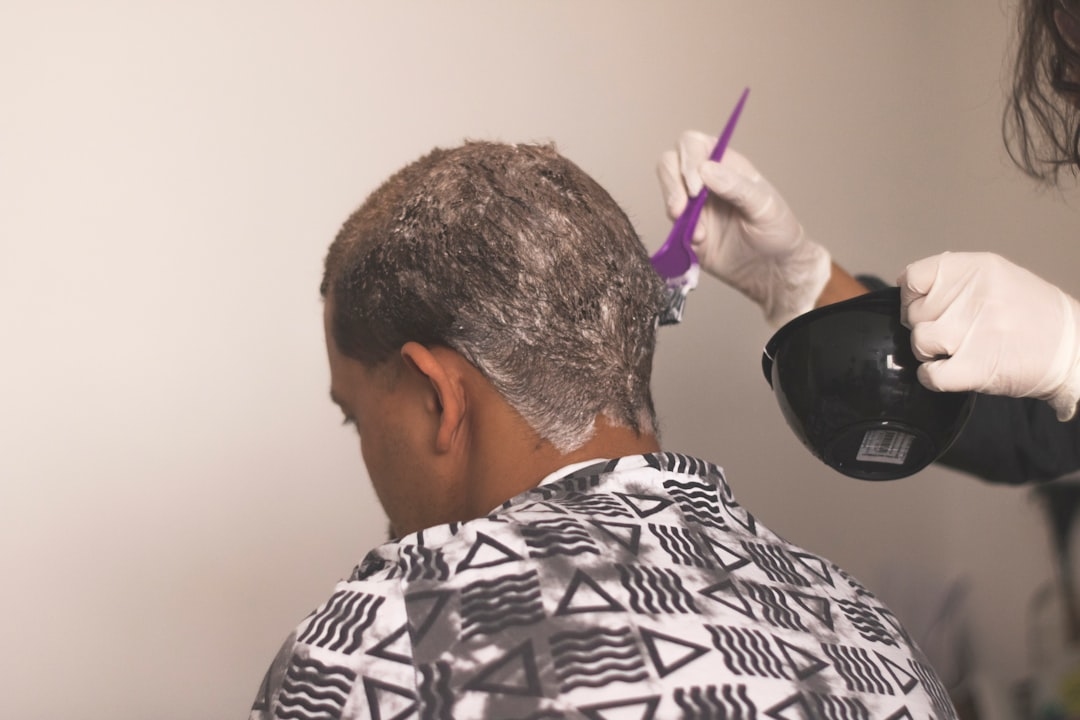
This sounds strange, but it works. Regular washing-up liquid like Fairy (around £1 per bottle) contains surfactants that break down oils and pigment deposits. While it’s harsh and drying, a single wash with diluted dish soap can remove 30-50% of purple toner. The key is dilution: mix one part dish soap with three parts conditioner, apply to damp hair, leave for 5-10 minutes, and rinse thoroughly.
This is a budget option (cost: roughly 20p per treatment) but should only be used occasionally because it strips natural oils aggressively. Use this if you’re in a hurry and can tolerate some dryness, or as a final step after other treatments have already lightened the purple significantly. Follow immediately with a protein-rich deep conditioner to restore moisture.
7. Repeat Clarifying Treatments With Hot Water
Sometimes the simplest approach is the most effective. Warm water opens hair cuticles, allowing clarifying shampoo to work more efficiently. Combine hot (not scalding) water rinses with your clarifying shampoo routine and you’ll see faster colour lift. Wash with clarifying shampoo in warm water three times weekly, finishing with a cool-water rinse to close the cuticle and seal in moisture.
This method takes patience—typically three to four weeks for noticeable fading—but it’s the gentlest option and requires nothing beyond what you probably already have at home. The cumulative effect of regular, warm-water clarifying washes will gradually fade purple toner without causing dramatic damage. This is the most sustainable long-term approach if you have time to wait.
What the Pros Know
Professional colourists understand that the first 48 hours after toner application are critical. If you notice the purple is too dark or ashy immediately after your appointment, ask your stylist to shampoo it out at the salon—most will do this free of charge. Once toner has been in your hair for 48 hours, it’s significantly harder to remove because the pigment molecules have fully bonded to the hair shaft. Don’t wait if you hate the colour. Additionally, professionals know that porous hair needs less toner than virgin hair; if your colourist applied a normal amount to previously bleached hair, that’s the problem. Finally, stylists always apply toner to the mid-lengths and ends first, leaving the roots (which are naturally warmer) for the last 5-10 minutes. If your roots are purple but the rest of your hair is blonde, the application was backwards and you’ll need to use removal methods only on the root area.
Prevention: Avoid This Problem Next Time
Communicate Clearly With Your Colourist
Before your next toner appointment, discuss tone intensity explicitly. Show your colourist photos of the exact shade you want, and ask specifically whether they’re using semi-permanent toner or permanent dye. Discuss how long they’ll leave it on—many stylists default to 30-45 minutes, but 15-20 minutes is often sufficient. Ask about your hair’s porosity: if it’s damaged, toner deposits differently. A good colourist will adjust their application time based on your hair’s history.
Invest in Purple-Toned Shampoo and Conditioner
Using a purple-toned shampoo (around £6-10 per bottle) weekly as maintenance prevents excessive toner buildup in the first place. Brands like Fanola No Yellow or Lee Stafford Blonde Care contain just enough violet pigment to maintain cool tones without overwhelming your hair. This is far cheaper than repeated toner treatments and gentler on your hair overall. Use it once weekly to maintain, more frequently if you notice brassiness returning.
Reduce Washing Frequency
Every wash fades toner slightly, but frequent washing also opens your cuticle repeatedly, making toner deposition uneven. Wash your hair no more than twice weekly and use lukewarm rather than hot water. This extends toner life to 6-8 weeks instead of 4-5 weeks, meaning you need fewer toner applications overall. Between washes, use dry shampoo to absorb oils without water exposure.
FAQ: Your Purple Toner Questions Answered
Q: How long does purple toner typically last in hair?
A: Semi-permanent purple toner lasts 4-6 weeks on average, fading gradually with each wash. Permanent tones last 6-8 weeks but can look patchy as they fade. Factors include hair porosity, washing frequency, water hardness, and sun exposure. Fine or porous hair shows fading faster than thick, healthy hair.
Q: Will my hair turn yellow if I remove the purple toner?
A: Not necessarily, but possibly. If your hair was lightened to pale yellow before toning, removing purple will reveal that yellow base again. This is why clarifying shampoo alone sometimes isn’t enough—you might need a new toner application afterwards, either at home or at the salon. Ask your colourist whether yellow undertones will show through before you remove the purple.
Q: Can I use a colour remover on very blonde or white hair?
A: Yes, but with caution. Removal products are designed to lift colour without bleaching further, so they’re safe for pale blonde hair. However, ensure you follow instructions exactly and do a strand test first. Some removal creams can cause subtle colour shifts in white or platinum blonde, potentially making it look slightly warmer. This is usually minimal and temporary.
Q: Is it safe to use clarifying shampoo every day?
A: No. Clarifying shampoo should be used no more than twice weekly, and typically only for 2-4 weeks during toner removal. Daily use strips natural oils too aggressively, causing dryness, breakage, and potentially damaging your scalp. Limit use to designated removal periods, then switch back to regular shampoo for maintenance.
Q: What’s the fastest way to remove purple toner?
A: A colour remover cream (20-40 minute application) typically shows the fastest results, often lifting 60-70% in a single session. A bleach wash comes second (5-10 minutes, 70-85% removal), though it’s harsher. The trade-off is that faster methods cause more damage. Clarifying shampoo is slower (2-3 weeks) but much gentler, making it ideal if you can wait.
The Bottom Line
Purple toner doesn’t have to be a permanent disaster. Depending on your hair’s condition, your timeline, and how stubborn the stain is, you have between six and seven reliable removal methods available. Start with clarifying shampoo or vitamin C treatment if your hair is already fragile—these are gentle and surprisingly effective. Move to colour remover cream or bleach wash if you need faster results and can tolerate more damage. Reserve harsh options for truly stubborn cases where nothing else has worked.
The key is consistent treatment over time rather than hoping for overnight results. Most people see meaningful improvement within two to three weeks of twice-weekly clarifying treatments. Next time you book a toner appointment, communicate clearly with your colourist about tone intensity and application time—this prevents the problem entirely and saves you weeks of removal treatments. In the meantime, grab a bottle of clarifying shampoo and start today.