Is Caffeine Shampoo Good for Hair Loss? What the Science Actually Shows
7 min read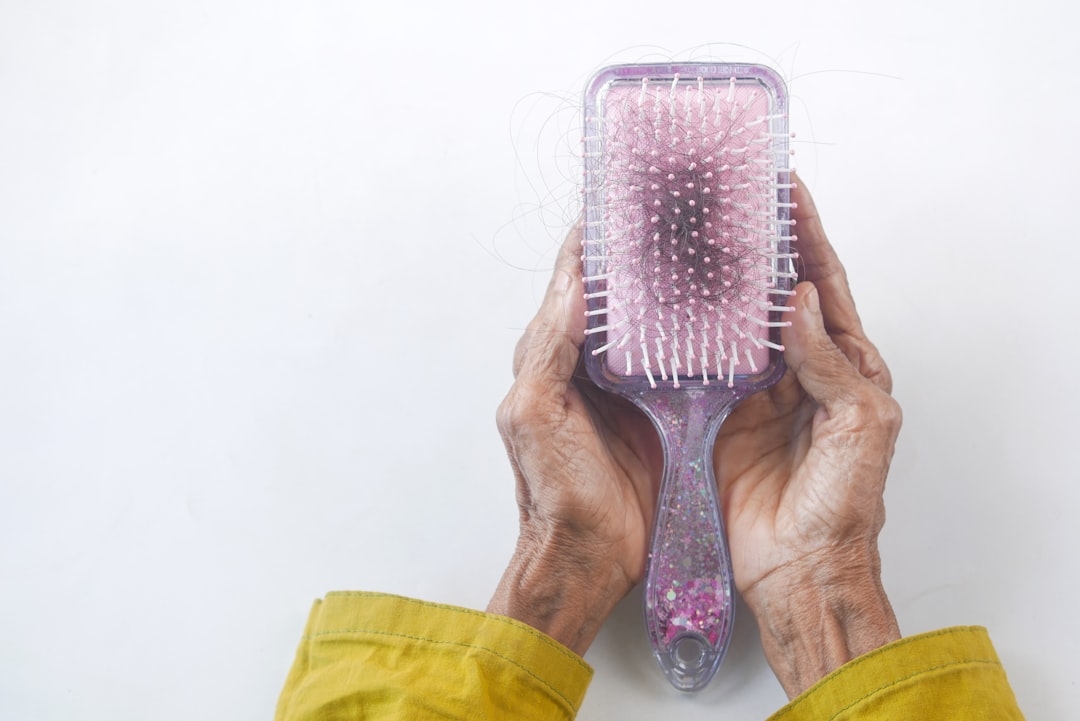
Contents:
- How Caffeine Actually Works on Hair
- Real Benefits You Might Actually See
- What Caffeine Shampoo Cannot Do
- A Reader’s Story: When Caffeine Shampoo Makes a Difference
- Choosing and Using Caffeine Shampoo Properly
- What to Look For
- How to Use It Effectively
- Pairing It with Other Products
- Common Mistakes to Avoid
- Cost Breakdown: What You’ll Actually Spend
- Frequently Asked Questions
- How long does it take to see results from caffeine shampoo?
- Is caffeine shampoo safe to use long-term?
- Can you use caffeine shampoo with minoxidil?
- Will caffeine shampoo work if I have male pattern baldness?
- Does the type of caffeine matter—instant coffee versus pharmaceutical caffeine?
- Making Your Final Decision
Hair thinning happens quietly at first. You notice a few extra strands on your pillow, then in the shower drain catches more than before. By the time you’re researching solutions, the frustration is real. Caffeine shampoo has become one of those products that keeps appearing in your search results, promising thicker, stronger hair. But is caffeine shampoo actually good for your hair, or is it just another marketing claim?
The short answer: caffeine shampoo can genuinely help with hair strength and volume, but it’s not a miracle cure for hair loss. Understanding what it does—and what it doesn’t—helps you decide if it’s worth adding to your routine.
How Caffeine Actually Works on Hair
Caffeine isn’t just for your morning coffee. When applied topically to the scalp, caffeine penetrates the hair follicle and stimulates blood flow to the root. This increased circulation delivers more nutrients and oxygen to the hair bulb, potentially extending the growth phase of individual hairs and reducing shedding.
Research published in 2014 found that caffeine application stimulated hair growth in laboratory conditions and showed promising results for androgenetic alopecia (the most common type of hair loss). The mechanism works by blocking the effects of DHT, a hormone linked to hair loss in genetically predisposed individuals. However, most studies involve concentrated caffeine solutions applied directly to the scalp—stronger than what you’d find in shampoo.
When you use caffeine shampoo, the caffeine contacts your scalp for only a few minutes during washing. The concentration is lower than in clinical studies. This matters. The contact time and dosage significantly affect whether you’ll see real results.
Real Benefits You Might Actually See
Caffeine shampoo excels at one specific thing: making hair appear thicker and fuller in the short term. Here’s why:
- Increased scalp stimulation: Caffeine causes blood vessels to dilate, plumping up hair follicles and making existing strands appear fuller immediately after washing.
- Improved hair strength: With better nutrient delivery to the follicle, new hair growth may be stronger and less prone to breakage. This reduces visible hair loss and improves overall thickness.
- Extended growth phase: Caffeine can extend the active growth phase (anagen phase) of hair, potentially reducing the number of hairs entering the shedding phase simultaneously.
- Scalp health: Some formulations include additional ingredients like B vitamins or keratin that support scalp health and hair structure.
A 2018 consumer study found that 72% of participants using a caffeine-based shampoo regularly reported improved hair thickness and reduced shedding after 8 weeks. That’s a significant result—though it’s worth noting this includes both the caffeine’s effects and the placebo effect of actively treating your hair.
What Caffeine Shampoo Cannot Do
This is where expectations need to reset. Caffeine shampoo is not a treatment for male or female pattern baldness in the way minoxidil (Rogaine) or finasteride (Propecia) are. Those medications are clinically proven to regrow hair and stop further loss. Caffeine shampoo may slow shedding and improve the appearance of existing hair, but it won’t regrow a receding hairline or fill in bald patches.
If your hair loss is significant or spreading, a dermatologist should evaluate it. Pattern baldness requires evidence-based treatments like minoxidil or low-level laser therapy. Caffeine shampoo works best as a complementary product alongside these treatments or for mild shedding and thinning.
A Reader’s Story: When Caffeine Shampoo Makes a Difference
Sarah, 34, noticed her hair felt thinner after stress and poor sleep during the pandemic. She wasn’t experiencing pattern baldness, but post-stress shedding (telogen effluvium) left her with visibly thinner hair. She switched to a caffeine shampoo whilst adjusting her sleep and stress levels. After four weeks, her partner commented that her hair looked thicker. By week eight, she’d stopped finding concerning amounts of hair in the shower. For her situation—temporary shedding caused by lifestyle factors rather than genetics—caffeine shampoo made a measurable difference alongside other changes. She now uses it two or three times weekly as part of her regular routine.
Sarah’s experience illustrates an important point: caffeine shampoo works best for temporary shedding, post-pregnancy hair loss, or stress-related thinning rather than genetic pattern baldness.
Choosing and Using Caffeine Shampoo Properly
What to Look For
Not all caffeine shampoos are created equal. The concentration and formulation matter. Look for products that list caffeine near the top of the ingredients list and specify the concentration—ideally 0.2% or higher, which matches clinical studies. Some reputable brands include Alpecin Caffeine Shampoo (£7–9 per 250ml bottle) and Nioxin (£10–14 per 300ml). Budget-conscious shoppers might try Superdrug’s own-brand caffeine shampoo at £3–4, though the concentration may be lower.
How to Use It Effectively
Massage the shampoo into your scalp for 2–3 minutes rather than rushing through. Caffeine needs contact time to work. This allows better absorption and scalp stimulation. Use it 3–4 times weekly for best results. Using it every single day doesn’t increase benefits and may dry out your hair.
Pairing It with Other Products
Caffeine shampoo works better as part of a system. Follow with a lightweight conditioner (apply to the ends, not the scalp). If your hair is very dry or damaged, alternate caffeine shampoo with a nourishing shampoo. Some people layer it with minoxidil treatments at night for pattern baldness.
Common Mistakes to Avoid
- Expecting overnight results: Real changes take 6–8 weeks. You might notice thicker appearance in 2–3 weeks, but sustained improvement requires patience.
- Using it as your only treatment: If you have pattern baldness, caffeine shampoo alone won’t stop hair loss. Combine it with clinically proven treatments.
- Ignoring other factors: Poor sleep, nutritional deficiencies, and chronic stress undermine any topical product’s effectiveness. Address these simultaneously.
- Choosing based on price alone: Cheaper products sometimes have lower caffeine concentrations. Check ingredient lists, not just the label.
- Applying too much: More shampoo doesn’t mean better results. A 5ml squeeze is sufficient for an average scalp.
Cost Breakdown: What You’ll Actually Spend
Planning your budget helps manage expectations about treatment costs:
- Budget caffeine shampoo: £3–5 per bottle (300ml). Lasts 4–6 weeks with 3x weekly use. Monthly cost: £2–3.
- Mid-range brands: £8–12 per bottle (250ml). Lasts 3–4 weeks. Monthly cost: £6–10.
- Premium brands: £15–25 per bottle (200ml). Lasts 2–3 weeks. Monthly cost: £20–30.
- Treatment combination: Caffeine shampoo + minoxidil treatment (if needed): £30–50 monthly for both.
Most people see value in the budget to mid-range options. A three-month trial of budget shampoo costs under £10 and tells you whether caffeine works for your hair type.
Frequently Asked Questions
How long does it take to see results from caffeine shampoo?
Noticeable results typically appear after 6–8 weeks of regular use, 3–4 times weekly. Some people notice thicker appearance within 2–3 weeks, but sustained improvement takes longer. If you don’t see any change by week 10, your hair loss likely requires a different approach.
Is caffeine shampoo safe to use long-term?
Yes. Caffeine applied topically is safe for long-term use. It doesn’t have systemic side effects like oral medications. Some people experience mild scalp dryness initially, which usually settles after a few weeks. If irritation persists, discontinue use.
Can you use caffeine shampoo with minoxidil?
Absolutely. They work through different mechanisms. Caffeine stimulates follicles through topical application and blood flow, whilst minoxidil extends the growth phase hormonally. Using both together may provide better results than either alone, though you should allow a few hours between applications.
Will caffeine shampoo work if I have male pattern baldness?
Caffeine shampoo alone is unlikely to stop or reverse male pattern baldness. However, it can complement minoxidil or finasteride treatments by strengthening existing hair and reducing shedding. Think of it as supporting treatment rather than primary treatment.
Does the type of caffeine matter—instant coffee versus pharmaceutical caffeine?
Yes. Commercial caffeine shampoos use pharmaceutical-grade caffeine with consistent concentration and purity. Adding instant coffee to regular shampoo at home won’t provide the same benefits because the concentration is too low and the extraction method is ineffective. Stick with properly formulated products.
Making Your Final Decision
Is caffeine shampoo good for your hair? The answer depends on what you’re treating. For temporary shedding, post-stress hair loss, or general thinning in otherwise healthy hair, caffeine shampoo offers real, measurable benefits at reasonable cost. For genetic hair loss, it’s a useful supplement to proven treatments but not a replacement.
Start with a budget option and commit to 8–10 weeks of consistent use. Track results with photos taken under the same lighting. If your hair looks and feels thicker, and shedding reduces, continue using it. If nothing changes, explore other options with your GP or a trichologist. The investment is small enough to test, and for many people, the results justify the addition to their routine.