What Is the Rarest Hair Color in the World?
7 min read
Contents:
- Red Hair: The Rarest Genetic Variation
- Blonde Hair: Rare Outside Northern Europe
- The Role of Genetics in Hair Colour Rarity
- What the Pros Know
- Black Hair: The Most Common, Yet Still Variable
- Extremely Rare Hair Colour Variations
- Why Hair Colour Rarity Matters Today
- Geographic Hotspots for Rare Hair Colours
- FAQ: Common Questions About Rare Hair Colours
- Is red hair actually becoming less common?
- Can two brown-haired parents have a red-haired child?
- Why does natural blonde hair darken with age?
- What is the rarest hair colour globally?
- Can you permanently change your natural hair colour without damage?
- Embracing Your Natural Hair Rarity
Have you ever wondered what hair color is so rare that most people will never meet someone who has it naturally? The answer might surprise you—and it’s more complex than simply pointing to a single shade.
Natural hair colour variation is one of the most fascinating aspects of human genetics. While most of the world’s population shares similar hair tones, a tiny percentage of people inherit combinations that make their locks genuinely exceptional. Understanding what makes a hair colour rare requires exploring genetics, geography, and the surprising science behind pigmentation.
Red Hair: The Rarest Genetic Variation
When most people think of the rarest natural hair colour, red hair immediately comes to mind—and for good reason. Only 1-2% of the global population has natural red hair, making it statistically the rarest hair colour worldwide. This scarcity stems from a recessive gene called MC1R, which requires two copies (one from each parent) to produce red pigmentation.
The rarity varies dramatically by location. Scotland and Ireland have the highest concentration of redheads, with approximately 10-13% of the population carrying the red hair gene. In contrast, fewer than 1% of people in Asian, African, and Middle Eastern populations have natural red hair. This geographical distribution explains why red hair feels far less common in many parts of the world.
Interestingly, red hair comes in several natural shades ranging from strawberry blonde to deep auburn. True copper-red hair is even rarer than the lighter variations. Some redheads also inherit pale skin and freckles as part of the same genetic package, though not all red-haired individuals have these characteristics.
Blonde Hair: Rare Outside Northern Europe
Natural blonde hair is often perceived as rare, yet the reality is more nuanced. Around 2% of the world’s population has naturally blonde hair, making it slightly more common than red but still genuinely scarce in most regions. Blonde hair depends on low levels of eumelanin (dark pigment) and relatively higher pheomelanin (red-yellow pigment).
Blonde hair concentration is heavily skewed toward Northern Europe. Scandinavian countries, Germany, and the Netherlands have the highest percentages of naturally blonde individuals, with some regions seeing rates as high as 20%. Beyond these areas, natural blonde hair becomes increasingly uncommon. In the UK, approximately 2-3% of the adult population has naturally blonde hair, though this figure is influenced by decades of hair colouring trends.
It’s worth noting that many children born with blonde hair experience darkening as they grow older. This happens because hair pigmentation can change during development, particularly during puberty. Adult blonde hair is therefore rarer than childhood blonde hair, which affects how we perceive prevalence.
The Role of Genetics in Hair Colour Rarity
Hair colour inheritance is more complicated than the simple dominant-recessive model many of us learned in school. At least 16 different genes influence natural hair colour, not just one or two. These genes regulate the production and distribution of eumelanin (brown and black pigment) and pheomelanin (red and yellow pigment).
The rarest combinations occur when someone inherits specific alleles across multiple genes simultaneously. For instance, someone with red hair and blue eyes has a particularly rare genetic combination because the genes controlling these traits come from different chromosomes and must align precisely.
Geographic isolation historically contributed to rare hair colours in specific populations. Island nations and mountain communities sometimes developed distinctive hair colour frequencies simply because people married within their communities for generations. Modern migration patterns have begun to redistribute these genetic variations globally.
What the Pros Know
Celebrity hairstylists report that clients with naturally rare hair colours often struggle with conventional colour treatments. Red-haired clients, for example, frequently find that standard bleaching techniques don’t work as effectively on their hair structure, and colour-depositing treatments can appear muddy or orange rather than the intended shade. Professional stylists recommend seeking specialists experienced with these hair types, which can cost 20-40% more than standard salon services in the UK.
Black Hair: The Most Common, Yet Still Variable
Black hair dominates globally—approximately 85-90% of the world’s population has natural black or very dark brown hair. However, this category encompasses tremendous variation. True jet-black hair differs from dark brown, which differs from black with subtle blue undertones. The rarest forms of black hair include naturally blue-black hair, which appears black indoors but reveals deep blue undertones in sunlight.
Black hair is distributed across Africa, Asia, the Middle East, and many other regions. Yet even within populations where black hair predominates, natural variation exists. Some people inherit black hair with unexpected subtle red or golden undertones, creating unique combinations that stand out against typical black hair in their communities.
Extremely Rare Hair Colour Variations
Beyond the major categories, certain hair colour combinations are extraordinarily rare. Purple, silver, or platinum-white hair in young people occurs almost exclusively through genetic conditions or medical treatments rather than natural pigmentation. Albinism produces white or very pale blonde hair because the body cannot produce sufficient melanin, affecting fewer than 1 in 20,000 people globally.
Green-tinted or ashy hair occasionally occurs in people exposed to certain environmental factors (like copper deposits in water systems) or medical treatments, but these are environmental effects rather than genetic hair colours.
Why Hair Colour Rarity Matters Today
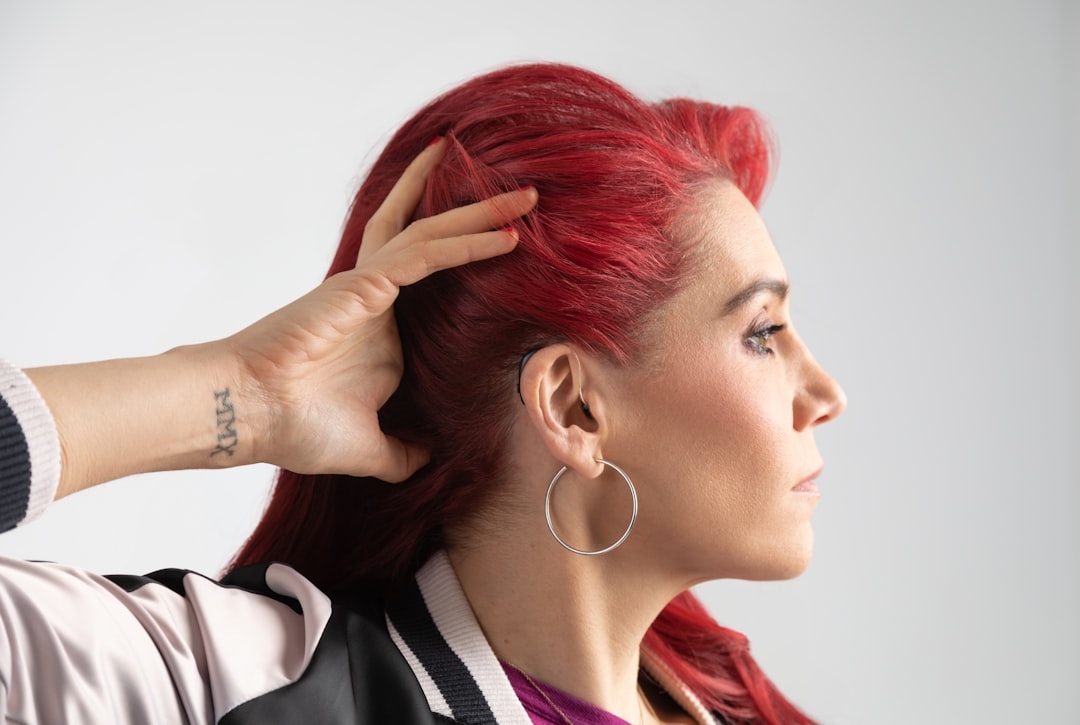
Understanding what is the rarest hair colour has practical implications beyond curiosity. People with rare natural hair colours often face distinctive challenges: finding appropriate hair care products, selecting makeup shades, choosing clothing that complements their colouring, and navigating cultural perceptions. Red-haired individuals, for instance, frequently report struggling to find foundations that match their unique undertones.
From a sustainability perspective, the rise of at-home hair colouring has environmental consequences. Over 50 million tonnes of hair dye enters global water systems annually. People seeking rare hair colours through treatments rather than celebrating their natural rarity contribute to this impact. Choosing to work with your natural hair colour—however common or rare—reduces chemical waste.
The commercial hair dye industry paradoxically capitalises on rarity by marketing “rare” colours through permanent treatments. Brands emphasise the exclusivity of shades like “arctic silver” or “copper burst,” even though these colours require bleaching and synthetic pigmentation. Appreciating naturally rare hair colours offers an alternative perspective.
Geographic Hotspots for Rare Hair Colours
Certain regions hold higher concentrations of naturally rare hair colours. Scotland and Ireland lead globally for red hair prevalence. Scandinavia remains the stronghold for blonde hair. Parts of Southern Europe show interesting variations, with some Mediterranean populations displaying naturally lighter hair than stereotypes suggest.
Ironically, as global migration increases, these geographic patterns are shifting. London, Sydney, Toronto, and other multicultural cities now feature diverse hair colour representations that don’t necessarily reflect any single location’s genetic heritage.
FAQ: Common Questions About Rare Hair Colours
Is red hair actually becoming less common?
Red hair prevalence is not decreasing globally, though it may fluctuate in specific countries due to migration patterns. The MC1R gene that produces red hair remains stable in populations with historical red hair concentrations, particularly in Scotland and Ireland.
Can two brown-haired parents have a red-haired child?
Yes, absolutely. If both parents carry the recessive MC1R gene, they can produce a red-haired child even if neither parent has red hair. A child has approximately a 25% chance of having red hair if both parents carry the gene.
Why does natural blonde hair darken with age?
Hair pigment production changes throughout life. Many children experience natural darkening during puberty due to hormonal shifts that increase melanin production in hair follicles. This is a normal developmental process.
What is the rarest hair colour globally?
Red hair remains the rarest natural hair colour at 1-2% of global population. However, specific combinations—like naturally platinum blonde hair with green eyes—are considerably rarer than any single hair colour category.
Can you permanently change your natural hair colour without damage?
Permanent changes require chemical processing that alters hair structure. Gentler alternatives include semi-permanent colour, which gradually fades over 24-28 shampoos, or embracing your natural rarity rather than chemically altering it.
Embracing Your Natural Hair Rarity
Whether your hair represents the rarest 1% or the most common 85%, natural hair colour is genuinely unique at an individual level. Genetic combinations mean that your precise shade has never existed before and never will again in exactly the same form. That’s genuinely rare.
Understanding what is the rarest hair colour matters less than recognising the value of natural variation itself. If you’re considering changing your hair colour to match perceived rarity, start by researching specialists familiar with your specific hair type. If you’re satisfied with your natural colour, you already possess something no chemical treatment can replicate—authentic genetic rarity.
The next time you notice someone with striking natural hair colour, remember that you might be witnessing something statistically extraordinary. Rare or common, your hair tells a genetic story worth knowing.