What Is Virgin Hair? Everything You Need to Know
8 min read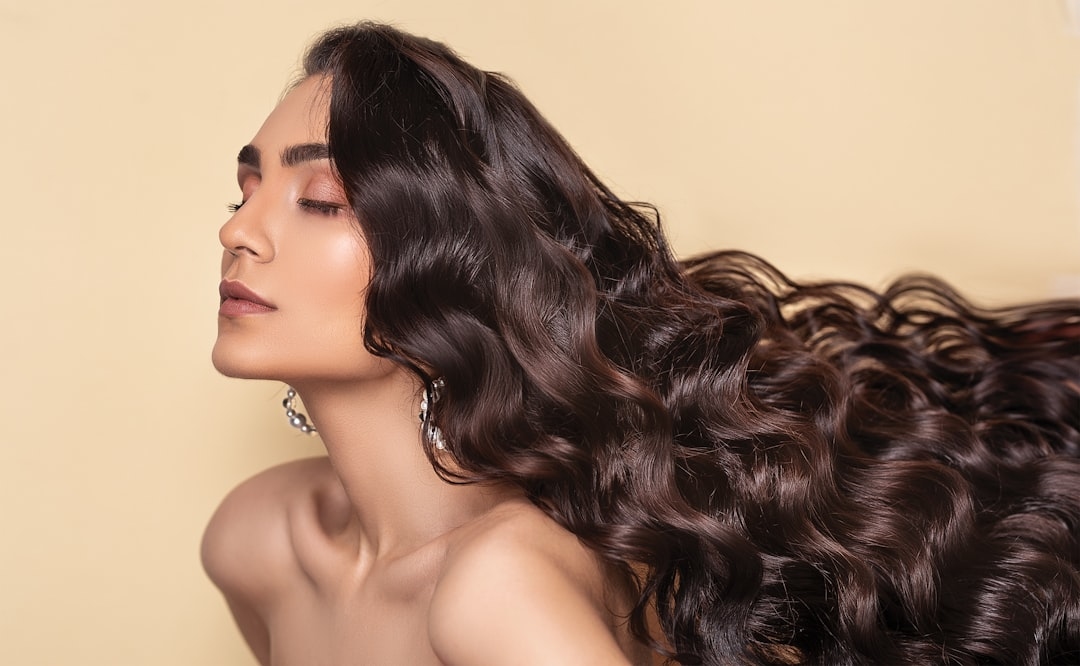
Contents:
- Understanding Virgin Hair: The Basics
- Why the Cuticle Direction Matters
- Virgin Hair vs. Remy Hair: What’s the Difference?
- The Grade System: Understanding Quality Levels
- How Virgin Hair Is Sourced and Processed
- Quality Control Checkpoints
- Practical Tips for Using and Maintaining Virgin Hair
- Washing and Conditioning
- Styling and Heat Protection
- Avoiding Common Mistakes
- Real DIY Story: Making the Investment Work
- FAQ: Your Questions About Virgin Hair Answered
- How long does virgin hair actually last?
- Can virgin hair be coloured or bleached?
- Is virgin hair worth the extra cost?
- What’s the difference between single-drawn and double-drawn virgin hair?
- Can I find virgin hair in curly or textured patterns?
- Making Your Decision
Run your fingers through silky strands that feel like your own natural hair. Close your eyes and imagine the weightless movement, the shine that catches the light just right, the durability that actually lasts for years. This is the experience many people describe when they first work with virgin hair. It’s not magic—it’s simply hair that has never been chemically processed, and understanding what sets it apart makes all the difference in making an informed choice about your extensions or weaves.
Understanding Virgin Hair: The Basics
Virgin hair is human hair that has never undergone any chemical treatments, dyes, or processing. It’s collected directly from donors and prepared for use without relaxers, perms, bleach, or colour treatments. This untouched state preserves the hair’s natural protein structure, cuticles (the outer protective layer), and resilience. Because the cuticle layers remain intact and aligned in the same direction, virgin hair has a smoother surface that reflects light uniformly, giving it that coveted lustrous appearance.
The term “virgin” specifically means the hair is in its original, unaltered condition. Not all human hair extensions are virgin hair. Some manufacturers work with hair that has already been processed once or multiple times, which degrades its quality, elasticity, and longevity. The difference between virgin and non-virgin human hair can span decades of usage—virgin hair can last 2-3 years with proper care, whilst processed hair might only survive 6-12 months.
Why the Cuticle Direction Matters
Here’s something the professionals focus on that DIY enthusiasts often overlook: cuticle alignment. Hair cuticles are tiny overlapping scales that lie flat when pointing downward (from root to tip). Virgin hair maintains this alignment because it’s never been chemically stripped. When you run your hand down the strand, it feels smooth. Reverse the direction and you’ll feel slight resistance. This alignment prevents tangling, matting, and frizz—three of the biggest headaches when wearing extensions. Non-virgin hair has cuticles that may point in different directions, which causes friction and deterioration much faster.
Virgin Hair vs. Remy Hair: What’s the Difference?
People often confuse these terms, and understandably so. Remy hair is a category of human hair where the cuticles are intentionally aligned during processing, but it’s not necessarily virgin. Remy hair has been collected and processed in ways that maintain (or restore) cuticle direction, making it higher quality than non-Remy options. However, Remy hair can still be dyed, bleached, or chemically treated. Virgin hair is always Remy (cuticles aligned), but not all Remy hair is virgin (untreated).
Think of it this way: virgin hair is the premium tier within the Remy category. You’re getting both the benefits of aligned cuticles AND the preservation of the hair’s natural protein structure. In 2026, premium virgin hair in the UK typically costs between £150-£400 per bundle (depending on weight, length, and grade), whilst Remy hair might range from £80-£200, and non-Remy human hair drops to £30-£100.
The Grade System: Understanding Quality Levels
Virgin hair is graded on a scale, and knowing these distinctions helps you invest wisely. The most common grading system uses letters, with AAA and AAAA being the highest tiers available in 2026.
- AAA Grade: Premium virgin hair with minimal shedding (under 5%), excellent shine, and durability lasting 2-3 years. Hair is uniform in texture and thickness. Prices typically £200-£350 per bundle.
- AA Grade: High-quality virgin hair with slightly more variation in texture, moderate shedding (5-10%), and a lifespan of 1-2 years. Still excellent for extensions. Prices range £150-£250 per bundle.
- A Grade: Standard virgin hair with more noticeable texture variation and shedding up to 15%. Still usable for extensions but requires more maintenance. Prices £100-£180 per bundle.
The grading reflects not just quality but also the selection process—AAA grade means hair was meticulously sorted by length, texture, and condition. Lower grades contain more blended lengths and textures, which doesn’t make them unsuitable but does affect uniformity and how long they’ll maintain their appearance.
How Virgin Hair Is Sourced and Processed
Understanding the supply chain helps explain why virgin hair commands a premium price. Hair is primarily sourced from India, Brazil, Russia, and Eastern Europe, where donation programmes and collection facilities exist. Donors cut or sell their hair, and it’s collected in large batches. For virgin hair specifically, the hair undergoes minimal processing: washing, conditioning, drying, and cuticle alignment verification. That’s genuinely it.
Compare this to non-virgin hair, which goes through bleaching, dyeing, chemical straightening, or perming before reaching you. Each chemical process opens and damages cuticles, weakening the protein bonds that give hair its strength. Virgin hair skips these steps entirely, which is why it feels different—it literally is different at a molecular level.
Quality Control Checkpoints
Reputable suppliers test virgin hair for shedding rates, breakage, and colour consistency. A standard test involves washing a small sample and counting strands lost to determine shedding percentage. They also check for chemical residue using pH testing and visual inspection under magnification. Hair that fails these benchmarks gets downgraded to a lower tier or removed from the virgin category entirely.
Practical Tips for Using and Maintaining Virgin Hair
Investing in virgin hair means committing to proper care. Unlike processed hair that may be more forgiving, virgin hair requires attention to maintain its quality.
Washing and Conditioning
Wash virgin hair extensions every 7-10 wears, using lukewarm water (hot water opens cuticles and causes tangling). Use a sulphate-free shampoo and a moisturising conditioner—virgin hair lacks the natural oils a growing scalp provides, so conditioning is non-negotiable. Work product through from root to tip in one direction only, never against the cuticle grain. A 2-minute deep conditioning treatment once weekly will extend the lifespan by months. Budget roughly £8-£15 monthly for specialist products.
Styling and Heat Protection
Virgin hair can be heat-styled (curled, straightened, blow-dried) because it’s stronger than processed alternatives, but always use a heat protectant spray first. Keep temperatures below 350°F (175°C) for flat irons and 400°F (200°C) for blow dryers. Avoid excessive heat; virgin hair naturally maintains waves and curls well, so you often need less styling than you’d think. Store extensions on a wig head when not wearing them—this prevents tangling and maintains shape.
Avoiding Common Mistakes
Never sleep with wet extensions. Water causes cuticles to swell and can lock in bacteria. Avoid chlorinated pools and ocean water without protective barriers (a leave-in conditioner creates a protective coating). Don’t use regular hair products; sulfates strip natural oils and damage the cuticle structure. Brush gently starting from the tips and working upward, never pulling from roots to tips on a tangle.
Real DIY Story: Making the Investment Work
Sarah, a Manchester-based beauty enthusiast, initially bought non-virgin extensions for £60 per bundle thinking they’d save money. Within four months, the hair had matted significantly, shed constantly, and looked dull. She’d spent an extra £40 on treatments trying to revive them. Frustrated, she invested in AAA grade virgin hair for £280 and paired it with a proper maintenance routine. Eighteen months later, those same bundles still look fresh, require minimal intervention, and have actually cost her less per month than the cheaper option. The upfront cost stung, but the longevity and reduced maintenance headaches made it worthwhile. She now views virgin hair as essential infrastructure for her styling projects rather than an optional luxury.
FAQ: Your Questions About Virgin Hair Answered
How long does virgin hair actually last?
With proper care, AAA grade virgin hair lasts 2-3 years. Lower grades (AA or A) typically last 1-2 years. The exact lifespan depends on how frequently you wear it and your maintenance routine. Daily wear shortens the lifespan compared to occasional wear.
Can virgin hair be coloured or bleached?
Yes, virgin hair can be dyed or bleached. However, once you chemically process it, it’s technically no longer virgin hair—it becomes processed hair. If you plan to colour your extensions, purchase virgin hair and have a professional stylist handle the dyeing. DIY bleaching risks severe damage and colour inconsistency.
Is virgin hair worth the extra cost?
For DIY enthusiasts planning to wear extensions regularly, yes. Virgin hair’s durability and low maintenance requirements typically cost less per wear than cheaper alternatives. If you wear extensions occasionally, lower-grade human hair or synthetic options might suffice.
What’s the difference between single-drawn and double-drawn virgin hair?
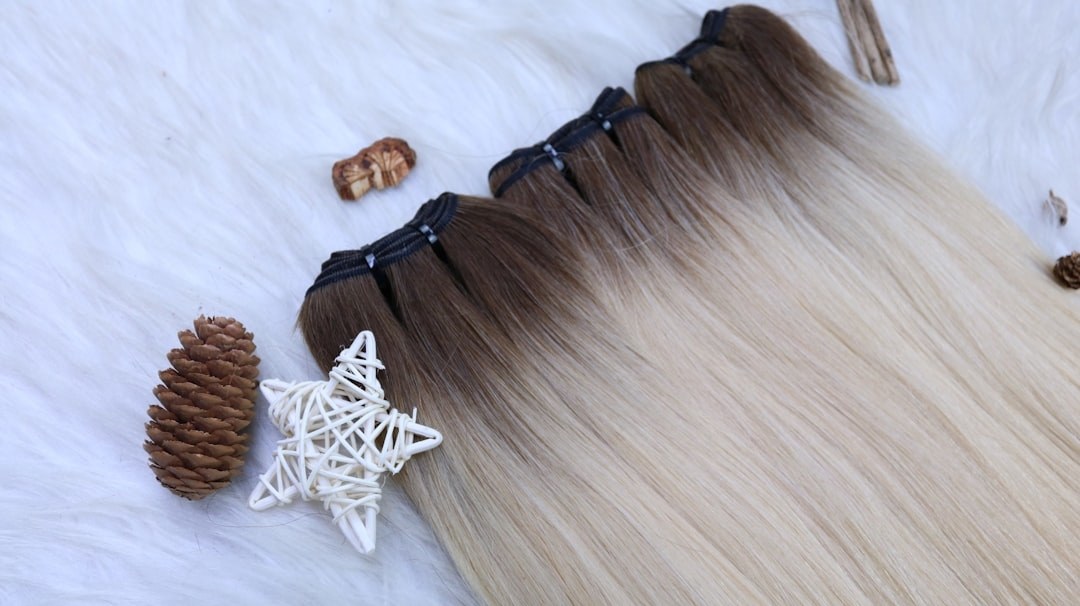
Single-drawn hair contains a mix of hair lengths within each bundle (some shorter strands included). Double-drawn hair has been sorted so shorter strands are removed, meaning more consistent length throughout. Double-drawn costs more (typically 30-40% extra) but looks fuller and more uniform.
Can I find virgin hair in curly or textured patterns?
Yes. Virgin hair is available in straight, wavy, and curly textures. Curly and textured virgin hair typically costs 10-20% more than straight because the source material is rarer and more difficult to process without altering the curl pattern.
Making Your Decision
Understanding what virgin hair is—fundamentally, unprocessed human hair with intact cuticles—is the foundation for choosing the right extensions for your projects. It’s not the only option available, but it’s the most durable and versatile choice for people serious about hands-on styling work. Whether you’re building a collection of extensions for experimentation or seeking a long-term solution, virgin hair delivers the quality and longevity that make the initial investment sensible. Start with a single bundle to test whether the texture works with your natural hair, invest in quality products, and commit to the maintenance routine. Your future self will appreciate the silky, healthy-looking extensions that actually perform as promised.