What Is Hair Breakage: Causes, Signs, and Prevention Strategies
7 min read
Contents:
- What Is Hair Breakage: The Definition
- The Science Behind Hair Breakage
- Common Causes of Hair Breakage
- Heat Damage
- Chemical Treatments
- Mechanical Stress
- Moisture Imbalance
- Protein Depletion
- Signs You Have Hair Breakage
- Regional Climate Differences and Hair Breakage
- Preventing Hair Breakage: Practical Solutions
- Use Heat Protectant Religiously
- Deep Condition Weekly
- Switch to Gentle Hair Practices
- Minimise Chemical Treatments
- Ensure Adequate Hydration
- Sustainable Hair Care and Breakage Prevention
- FAQ: Hair Breakage Prevention
- Can hair breakage repair itself?
- How long does it take to see improvement after addressing breakage causes?
- Is hair breakage the same as hair loss?
- Can I prevent breakage on bleached or coloured hair?
- What’s the difference between breakage and split ends?
- Your Breakage-Free Future Starts Today
Have you ever run your fingers through your hair and noticed short, broken strands scattered throughout? That’s hair breakage—and it’s far more common than split ends, more damaging than you might realise, and entirely preventable with the right approach. Understanding what hair breakage is, why it happens, and how to stop it is essential for maintaining healthy hair that actually grows longer.
What Is Hair Breakage: The Definition
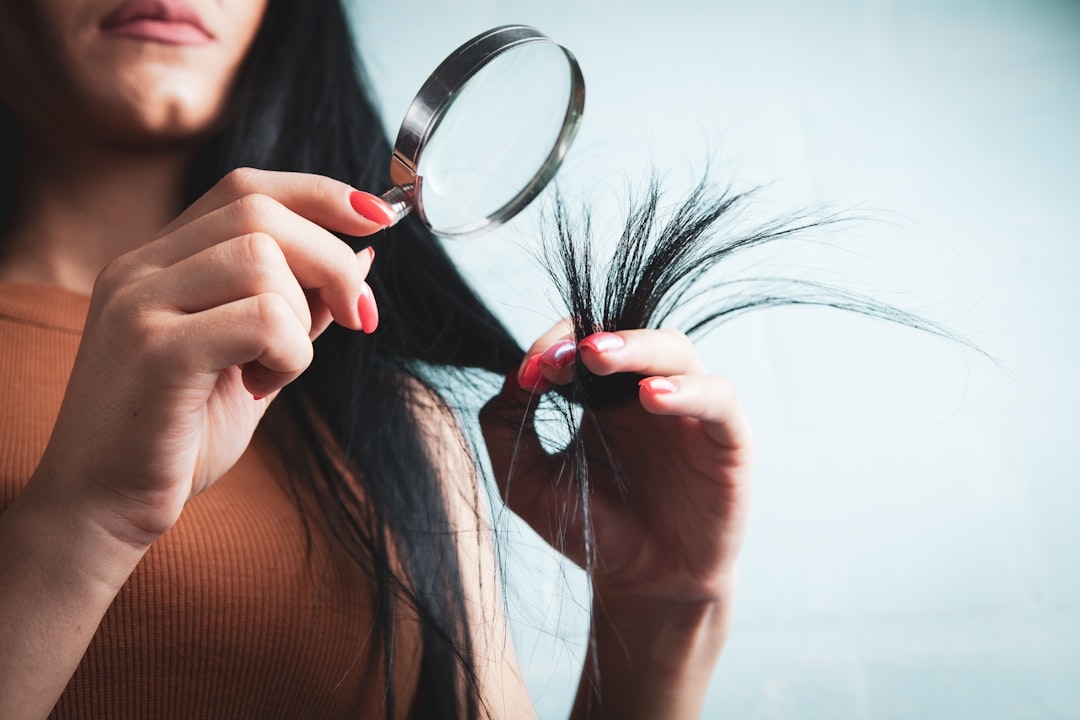
Hair breakage occurs when the hair shaft snaps or breaks prematurely, creating short fragments rather than cleanly tapered ends. Unlike split ends, which occur at the very tip of the hair and can be maintained through regular trims, hair breakage happens anywhere along the hair shaft. It results in scattered short hairs of varying lengths, often 2-10 centimetres long, rather than the long strands you’re expecting.
Breakage differs from shedding. When you shed, the entire hair strand releases from the follicle (you’ll see a white bulb at the end). With breakage, the middle or upper portion of the hair snaps, leaving the root intact and the broken piece floating away. Breakage typically indicates structural damage; shedding is a normal hair growth cycle process.
The Science Behind Hair Breakage
Your hair has three layers: the cuticle (protective outer layer), the cortex (strong middle layer containing protein), and the medulla (innermost core). Hair breakage occurs when the cortex becomes compromised. This happens through several mechanisms: moisture loss (hair becomes brittle), protein depletion (hair loses structural integrity), physical stress (pulling or rough handling), or heat damage (which denatures proteins).
The cortex contains chains of protein molecules bonded together. When these bonds break—through heat, chemical treatment, or dehydration—the hair becomes fragile. A healthy hair strand can bend without breaking. A damaged hair shaft breaks easily under tension. This is why deep conditioning (which restores protein and moisture balance) is fundamental to preventing breakage: you’re literally rebuilding the structural integrity of the cortex.
Common Causes of Hair Breakage
Heat Damage
Blow-drying, straightening, and curling without heat protectant cause repeated protein denaturation. Hair dryers above 80°C and styling tools at 150°C+ cause cumulative damage. After 6-12 months of daily heat styling, breakage becomes visible. This is the most common cause of breakage among people with basic hair care routines who lack protective measures.
Chemical Treatments
Bleaching, perming, relaxing, or permanent colouring chemically alter the hair structure. These processes deliberately break and reform protein bonds. Even salon-quality treatments cause some damage—which is why deep conditioning is essential post-treatment. Multiple treatments (bleaching, then colouring, then heat styling) compound damage and accelerate breakage.
Mechanical Stress
Tight hairstyles (cornrows, buns, weaves), rough brushing, friction from cotton pillowcases, and aggressive towel-drying all stress the hair mechanically. This is particularly harmful for fine or already-damaged hair. People who sleep in tight hairstyles or use regular cotton pillowcases experience noticeably more breakage than those who use silk pillowcases and looser styles.
Moisture Imbalance
Dry hair breaks easily because brittle hair lacks flexibility. This is particularly common in winter (central heating dries hair) and in dry climates. The UK’s often-dry indoor heating in winter creates an environment where many people experience increased breakage December through February if they’re not actively hydrating their hair.
Protein Depletion
Hair naturally loses protein through washing, environmental stress, and normal wear. Without protein replenishment through treatments, hair becomes weak and breaks. This is especially true for people who colour their hair regularly or use heat styling frequently.
Signs You Have Hair Breakage
- Short broken hairs of varying lengths throughout your hair, not just at the ends
- Hair that feels rough or straw-like rather than smooth
- Excessive short hairs on your pillow, clothes, or in the shower drain
- Hair that tangles easily because broken pieces create knots
- Hair that doesn’t grow longer despite months of growth—because it’s breaking off
- Frizz or flyaways that seem to appear overnight
Regional Climate Differences and Hair Breakage
UK salons in Scotland and Northern England report higher breakage complaints during winter months (December-February) due to low humidity and intense central heating. Southern England and Wales experience slightly less extreme seasonal variation but still see winter breakage increases. This regional variation means people in cooler, drier regions need more aggressive moisture management in winter. If you live in a flat in London with radiator heating, expect 15-20% more breakage during winter unless you implement weekly deep conditioning.
Preventing Hair Breakage: Practical Solutions
Use Heat Protectant Religiously
Apply heat protectant spray (Schwarzkopf, Boots own-brand, or SheaMoisture—£3-6) to every hair-drying or styling session. This creates a barrier between heat and the hair shaft. It reduces damage by approximately 40%. This is the single most impactful prevention step for people who use heat tools.
Deep Condition Weekly
Use a protein-rich mask (Schwarzkopf Keratin Repair, SheaMoisture, or even budget options like Aussie 3 Minute Miracle—£2-6) weekly. Leave on for 15-20 minutes. This restores the protein and moisture balance that prevents breakage. After bleaching or colouring, deep condition twice weekly for two weeks.
Switch to Gentle Hair Practices
Use a silk or satin pillowcase (£8-15) to reduce friction breakage during sleep. Use a wide-tooth comb on wet hair instead of brushing. Avoid tight hairstyles; opt for loose braids or buns. Sleep without your hair in any tight style. These mechanical changes can reduce breakage by 30-50%.
Minimise Chemical Treatments
Space out colouring, bleaching, and perms by at least 6-8 weeks. Don’t combine multiple treatments (bleach, then colour) in the same week. If you must colour frequently, use semi-permanent dye instead of permanent, which is gentler. Limit heat styling on freshly treated hair.
Ensure Adequate Hydration
Use a hydrating conditioner (not just the rinse-out kind from your shampoo bottle—invest in a quality conditioner, £4-8). Leave-in conditioners add extra moisture throughout the day. During winter, increase hydration frequency. Consider a humidifier in your bedroom (£15-30) to counteract central heating dryness.
Sustainable Hair Care and Breakage Prevention
Preventing breakage is genuinely eco-friendly because healthy hair doesn’t need as many replacement treatments. Instead of buying new dyes, perms, or expensive corrective treatments, focus on preventing breakage through basic conditioning and heat protection. A £4 deep conditioning mask used weekly prevents far more waste than replacing hair repeatedly due to breakage damage. Investing in reusable tools (silk pillowcase, quality brush) rather than disposable heat tools (cheap straighteners that burn out yearly) is both economical and environmentally sound.
FAQ: Hair Breakage Prevention
Can hair breakage repair itself?
No. Once a hair strand breaks, the broken fragment is gone permanently. However, treating the underlying causes (moisture, protein, heat damage) prevents future breakage and allows new hair growth to be stronger. You can’t repair broken hair, but you can prevent new breakage from occurring.
How long does it take to see improvement after addressing breakage causes?
New hair growth is visible within 4-6 weeks. Reduced breakage on existing hair is noticeable within 2-3 weeks of implementing deep conditioning and protective measures. Full improvement (less breakage, longer-looking hair) typically requires 8-12 weeks of consistent prevention.
Is hair breakage the same as hair loss?
No. Breakage is mechanical snapping of the hair shaft. Hair loss (alopecia) is when follicles stop producing hair or produce thinner hair. Breakage makes hair look shorter and thinner; actual hair loss reduces the number of hairs on your scalp. The solutions differ: breakage needs protective care, while hair loss requires medical evaluation.
Can I prevent breakage on bleached or coloured hair?
Yes, though bleached hair is more fragile. Prioritise deep conditioning (twice weekly for the first two weeks post-bleaching, then weekly), avoid additional heat, use gentle handling, and switch to silk pillowcases. Bleached hair can be maintained beautifully with extra care.
What’s the difference between breakage and split ends?
Split ends occur at the very tip where the hair cuticle splits lengthwise. Breakage happens anywhere along the shaft where the hair snaps. Split ends are managed through regular trims; breakage is prevented through protective care. Many people have both simultaneously if their hair is damaged and dry.
Your Breakage-Free Future Starts Today
Hair breakage is preventable. The combination of heat protection, weekly deep conditioning, gentle handling, and adequate moisture creates the conditions for healthy, unbroken hair growth. Most people see noticeable improvement within 4 weeks of implementing these changes. Your hair will feel stronger, look longer, and require less maintenance. Start with whichever cause most obviously applies to you—if you heat-style daily, begin with heat protectant; if your hair is dry, prioritise deep conditioning. One change compounds. After a month of success with one strategy, add another. By month three, you’ll have eliminated most breakage and created a sustainable routine that keeps your hair healthy indefinitely.