Why Is My Hair Always Frizzy? A Complete Guide to Healthier Hair
7 min read
Contents:
- What Actually Causes Frizzy Hair?
- Environmental Factors That Trigger Frizz
- Humidity and Weather Conditions
- Water Quality and Tap Water
- Hair Care Practices That Make Frizz Worse
- Over-Washing and Hot Water Exposure
- Rough Drying Techniques
- Using the Wrong Products
- Damage and Heat-Related Frizz
- Nutritional and Health Factors
- Expert Insight
- Practical Solutions for Small Spaces
- Quick Action Plan
- This Week
- Next Two Weeks
- Weeks Three to Four
- FAQ
- Moving Forward With Frizz-Free Hair
Here’s something that might surprise you: roughly 60% of people experience frizz as a regular hair concern, yet most reach for temporary fixes rather than addressing the root cause. If you’re battling frizzy hair every single day, you’re definitely not alone, and the good news is that understanding why your hair behaves this way is the first step toward real, lasting change.
Frizz isn’t just an aesthetic annoyance—it’s your hair’s way of telling you something needs attention. Whether you live in a compact flat with limited storage or you’re simply tired of wrestling with your locks each morning, this guide will help you pinpoint exactly what’s causing the problem and show you practical solutions that actually work.
What Actually Causes Frizzy Hair?
The science behind frizz is straightforward: your hair has a protective outer layer called the cuticle, made up of overlapping cells. When moisture from the air penetrates into the inner layers of your hair shaft, it causes the cuticle to swell and lift. This swelling creates the characteristic puffiness and flyaway strands we call frizz.
Your hair’s ability to resist this moisture invasion depends on several factors. The most important one is your hair’s porosity—how readily it absorbs and releases moisture. High-porosity hair, which has gaps in the cuticle layer, absorbs water quickly but struggles to retain moisture once it’s there. This makes high-porosity hair especially prone to frizz in humid conditions.
Hair texture also plays a role. Curly and textured hair types are naturally more prone to frizz because their curved structure means the cuticle doesn’t lie as flat as it does on straight hair. The further the cuticle lifts from its natural position, the more obvious the frizz becomes.
Environmental Factors That Trigger Frizz
Humidity and Weather Conditions
Humidity is frizz’s best friend. When the air contains more moisture than your hair does, your hair will absorb it until equilibrium is reached. This is particularly problematic in the UK during spring and autumn, when temperatures rise and moisture levels increase.
A specific measurement to keep in mind: when humidity levels exceed 60%, most people notice a visible increase in frizz. If you live in a flat where ventilation traps moisture (especially in bathrooms or kitchens), you’re essentially creating a humidity chamber for your hair.
Water Quality and Tap Water
Hard water, common across much of the UK, deposits mineral buildup on your hair shaft. This buildup prevents moisture from being distributed evenly and creates a rougher cuticle surface. A simple test: if you live in an area with hard water and notice frizz worsening after washing, the minerals are likely the culprit.
Installing a shower filter costs between £25 and £60, and many people notice improved hair texture within two weeks of use. This single change has made a measurable difference for thousands of people managing frizz in hard-water areas.
Hair Care Practices That Make Frizz Worse
Over-Washing and Hot Water Exposure
Washing your hair more than three times weekly strips away natural oils faster than your scalp can replenish them. These oils—sebum—form a protective coating that seals the cuticle and repels moisture. Without them, your hair becomes more porous and frizz-prone.
Hot water opens the cuticle layer further, making it easier for moisture to penetrate. Switching to lukewarm water and ending with a cool rinse can reduce frizz noticeably, often within a single wash. You’ll also use less hot water, which saves money on your energy bills.
Rough Drying Techniques
Rubbing your hair vigorously with a towel breaks the cuticle structure and encourages frizz. Instead, gently squeeze excess water with a microfibre towel or even an old t-shirt, which creates less friction than regular towels. This simple swap costs nothing if you use something you already own.
Using the Wrong Products
Shampoos and conditioners packed with sulphates and silicones can leave residue that attracts moisture. Over time, this buildup makes frizz worse, not better. Look for sulphate-free products—you’ll find quality options starting at £8 to £15 per bottle, which is comparable to standard drugstore brands.
Damage and Heat-Related Frizz
Heat styling without protection damages the cuticle layer permanently. Hair straighteners, blow-dryers, and curling irons all create heat damage that roughens the surface and increases frizz susceptibility. Even one unchecked heat styling session can elevate frizz for weeks until that section of hair grows out.
If you use heat tools, always apply a heat protectant spray first. A decent heat protectant costs £6 to £12 and extends the life of your hair significantly. The investment pays for itself in reduced frizz and breakage.
Nutritional and Health Factors
Your hair reflects your overall health. Deficiencies in protein, iron, zinc, or B vitamins directly impact hair strength and cuticle integrity. Dehydration also matters—if your body isn’t getting enough water, your hair becomes drier and more prone to frizz.
A practical step: increase your daily water intake to 2 litres and ensure your diet includes protein (lean chicken, fish, lentils, or Greek yoghurt). These changes take two to three weeks to show visible effects on hair texture, but the improvement is genuine.
Expert Insight
Sarah Mitchell, a certified trichologist with 15 years of practice in London salons, explains: “The biggest misconception I encounter is that frizz is permanent. In reality, 70% of my clients with chronic frizz see dramatic improvement simply by addressing moisture balance and using targeted treatments. The key is consistency—most people give up after one week when they should expect two to three weeks for real changes.”
Practical Solutions for Small Spaces
Limited storage shouldn’t prevent you from tackling frizz. Here’s a budget-friendly regimen that requires minimal products:
- Gentle sulphate-free shampoo and conditioner: £16-£20 for a set
- Microfibre towel or cotton t-shirt: £3-£8 (or use what you own)
- Heat protectant spray: £6-£12
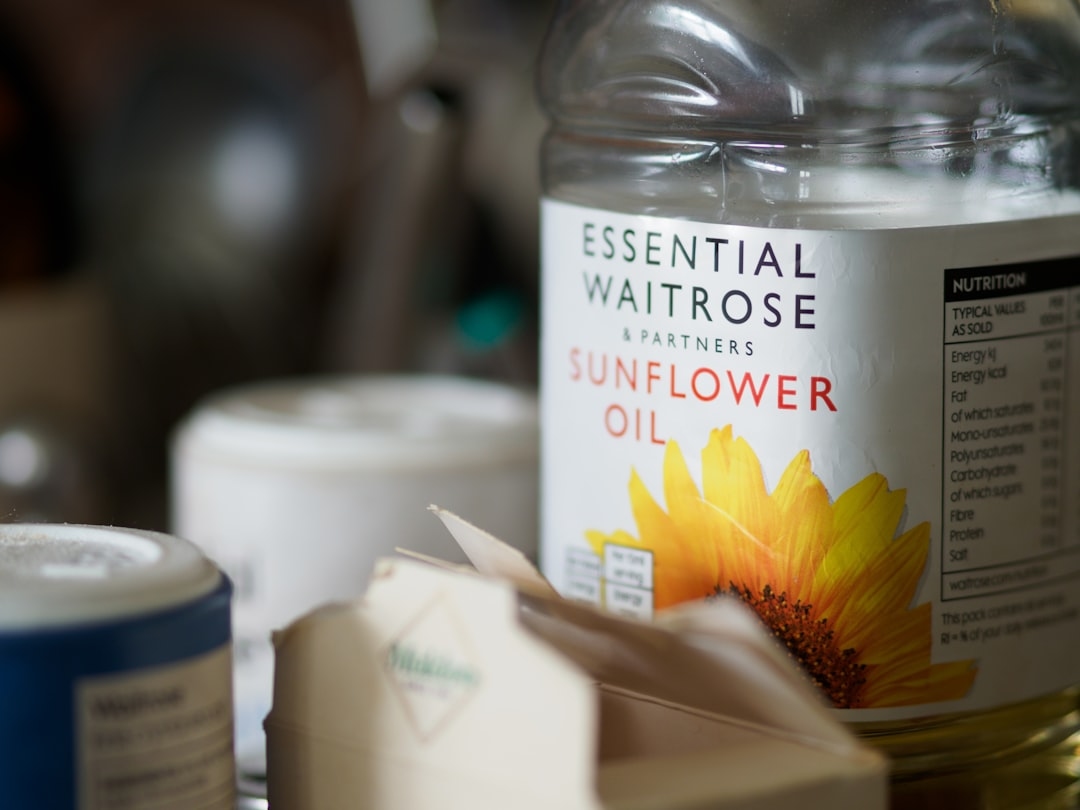
- Leave-in conditioner or hair oil: £8-£15
Total initial investment: approximately £33 to £55. This setup handles frizz management without cluttering a compact bathroom.
Quick Action Plan
This Week
- Start using lukewarm water instead of hot for your final hair rinse
- Switch to gentle towel-drying with a microfibre cloth
- Check your water hardness (search “water hardness checker UK” for your postcode)
Next Two Weeks
- Replace your current shampoo with a sulphate-free option
- Apply a heat protectant before using any hot tools
- Reduce washing frequency to three times weekly or less
Weeks Three to Four
- If hard water is confirmed, consider a shower filter
- Introduce a leave-in conditioner or lightweight hair oil to damp hair
- Evaluate your results and adjust based on visible changes
FAQ
Can frizzy hair be permanently cured? No, but it can be managed consistently. Frizz depends on ongoing environmental and care factors. Once you establish a routine that addresses the root causes, frizz becomes minimal and controllable.
Is keratin treatment necessary to stop frizz? Not for most people. Keratin treatments (£80-£200) work by coating the hair, but they fade after 3-6 months and require maintenance. Basic moisture management and proper products work for the majority of cases at a fraction of the cost.
How quickly will I see results from changing my routine? Visible improvements typically appear within 2-3 weeks if you address moisture balance and use appropriate products. Complete results take 6-8 weeks because your hair grows about 15cm per year, and damaged ends take time to transition out.
Can I fix frizz without expensive treatments? Absolutely. The most effective solutions—lukewarm water, gentle drying, moisture-appropriate products, and heat protection—cost under £50 to implement. Expensive treatments aren’t necessary for most frizz problems.
Does frizz mean my hair is damaged? Not necessarily. Frizz can result from improper moisture balance, humidity, or porosity—none of which indicate damage. That said, damaged hair frizzier more easily, so addressing both concerns together is wise.
Moving Forward With Frizz-Free Hair
The reason your hair is always frizzy boils down to one of several factors: moisture imbalance, care habits, environmental conditions, or cuticle damage. The encouraging part is that each of these is addressable without expensive treatments or significant lifestyle changes.
Start with the quick action plan above. Pick one or two changes this week, add another next week, and within a month you’ll have a clearer picture of what your hair actually needs. Most importantly, approach this with patience rather than frustration—your hair has been absorbing moisture patterns and care routines for months or years, and it needs time to rebalance.
You don’t need to accept frizz as your permanent reality. With targeted adjustments to your routine and a few targeted products, smoother, healthier-looking hair is genuinely within reach.